Mayo Clinic IVF Overview: Understand the IVF Process and Risks
Feb. 28, 2026, 6:40 a.m.
Quick Overview
In vitro fertilization (IVF) helps many people build families when natural conception proves challenging. At Mayo Clinic, experts guide patients through this advanced treatment with care and innovation. This guide covers the full IVF process, common risks, realistic success rates, and options for fertility preservation. Whether you're just starting or seeking deeper insights into infertility treatments, understanding these elements empowers better decisions. (About 40 words)
Infertility affects millions, and IVF stands out as one of the most effective assisted reproductive technologies available today. Mayo Clinic emphasizes personalized care, combining cutting-edge labs with compassionate support.
What Is IVF and Why Choose Mayo Clinic?
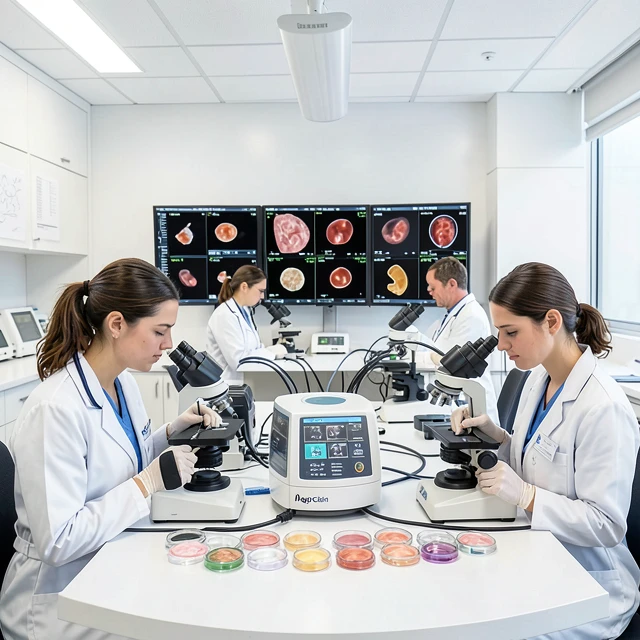
IVF, or in vitro fertilization, means fertilizing eggs with sperm outside the body—in a lab—then transferring the resulting embryos to the uterus. Doctors often recommend it for various infertility causes, such as blocked fallopian tubes, low sperm count, endometriosis, or unexplained issues.
Mayo Clinic stands out for its integrated approach. Their reproductive endocrinologists use advanced tools like real-time embryo imaging to boost outcomes. Patients appreciate the thorough evaluations and emotional support during what can feel like an overwhelming journey.
Many who go through IVF share that the process tests patience but brings hope. One patient described it as 'a rollercoaster of emotions, but knowing experts were guiding every step made it bearable.'
The Step-by-Step IVF Process
A full IVF cycle usually takes 2-3 weeks, though parts can stretch longer. Here's how it typically unfolds at places like Mayo Clinic:
-
Ovarian Stimulation
You take fertility medications (often hormone injections) to encourage multiple eggs to mature. Regular ultrasounds and blood tests monitor progress. -
Egg Retrieval
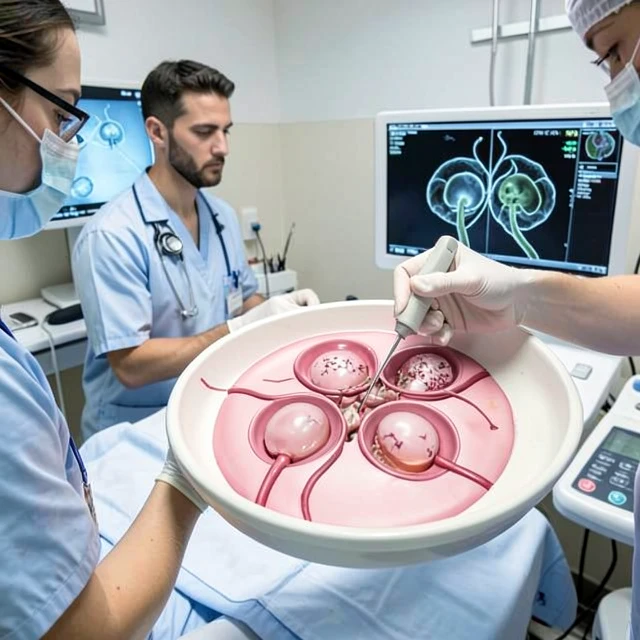
Under sedation, doctors use ultrasound-guided needles to collect mature eggs from the ovaries. This minor procedure happens in a clinic setting.
-
Sperm Collection and Preparation
Partners provide a sample, or donor sperm is used. Lab teams prepare the healthiest sperm. -
Fertilization
Eggs meet sperm in the lab—either naturally or via ICSI (injecting a single sperm into an egg). Embryos develop over 3-5 days. -
Embryo Transfer
One or more healthy embryos go into the uterus via a thin catheter. Many clinics freeze extras for later use. -
Waiting and Testing
About 10-14 days later, a blood test checks for pregnancy.
The process demands commitment—daily shots, frequent visits—but clear communication from your team helps ease the stress.
Understanding the Risks of IVF
While IVF helps many achieve pregnancy, it carries risks. Knowing them helps set realistic expectations:
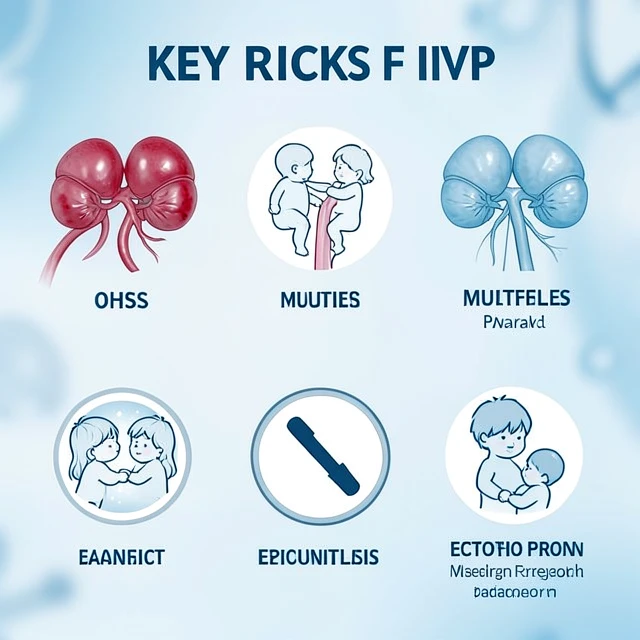
- Ovarian Hyperstimulation Syndrome (OHSS): Ovaries swell and cause pain from hormone meds. Mild cases resolve; severe ones need monitoring.
- Multiple Pregnancies: Transferring more embryos raises chances of twins or more, increasing complications.
- Ectopic Pregnancy: A small risk where the embryo implants outside the uterus.
- Miscarriage: Rates mirror natural conceptions but rise with age.
- Procedure Complications: Rare bleeding, infection, or organ damage from egg retrieval.
- Emotional and Financial Strain: The journey can feel exhausting and costly.
Mayo Clinic teams work to minimize risks, like using single embryo transfers when possible and advanced monitoring.
IVF Success Rates: What to Expect
Success varies widely. Key factors include age, egg/sperm quality, and health history.
Younger women (under 35) often see higher rates—around 40-50% live births per cycle with own eggs. Rates drop with age: about 25% at 40, and much lower after 43.
Donor eggs boost chances significantly, often 50% or more per transfer, with less age impact.
Mayo Clinic reports strong outcomes, aligning with national data from SART and CDC. Clinics emphasize that success isn't guaranteed—one cycle might work, or several may be needed.
| Age Group | Approximate Live Birth Rate per Cycle (Own Eggs) |
|---|---|
| Under 35 | 40-50% |
| 35-37 | 30-40% |
| 38-40 | 20-30% |
| Over 40 | 10-20% or lower |
Personal insight: Many find tracking their own numbers (like AMH levels) helps tailor expectations and feel more in control.
Success Rates of Fertility Preservation Methods
For those facing treatments like cancer that threaten fertility, preservation offers hope. Mayo Clinic excels here.
- Embryo Freezing: Up to 95% survive thawing.
- Egg Freezing (Oocyte Cryopreservation): Around 85% survive.
- Ovarian Tissue Freezing: Emerging option with promising restoration rates.
These methods help preserve options before life-altering therapies. Success depends on age at freezing—younger is better.
Final Thoughts
IVF through Mayo Clinic provides a structured, expert-led path for overcoming infertility. While the process involves steps, risks, and variable success rates, many find it rewarding. Consult a specialist to see if it fits your situation. Knowledge brings power—take that first step with confidence.