The Role of Nutrition in Fertility: How What You Eat Impacts Your Chances of Conceiving
Feb. 19, 2026, 6:43 a.m.
Quick Overview
Good nutrition plays a key part in fertility. Eating the right foods can boost egg and sperm quality, balance hormones, and raise your odds of getting pregnant. While age and fertility drugs matter, a nutrient-rich diet offers a natural way to support your journey to parenthood. (38 words)
Many couples face challenges when trying to start a family. Infertility affects about one in six people, and while medical help like fertility drugs can assist, everyday choices like what you eat make a big difference.
I have seen friends transform their health—and their chances—by focusing on balanced meals. Simple swaps, like choosing whole foods over processed ones, can feel empowering.
Age is a major factor in fertility. Women's egg quality and quantity drop after age 35, and men's sperm parameters can decline too. Fertility drugs and age factors often go hand in hand—medications like Clomid or gonadotropins help stimulate ovulation, but results vary more as age increases.
Nutrition cannot reverse aging, but it can optimize your body's reproductive function at any stage.

Why Nutrition Matters for Fertility
Your body needs specific nutrients to produce healthy eggs and sperm, regulate hormones, and support implantation. Poor diets high in trans fats, sugar, and refined carbs link to lower fertility. In contrast, patterns like the Mediterranean diet—full of veggies, fruits, healthy fats, and lean proteins—show promise in studies.
Research highlights that diets rich in omega-3s, antioxidants, folate, and zinc improve outcomes.
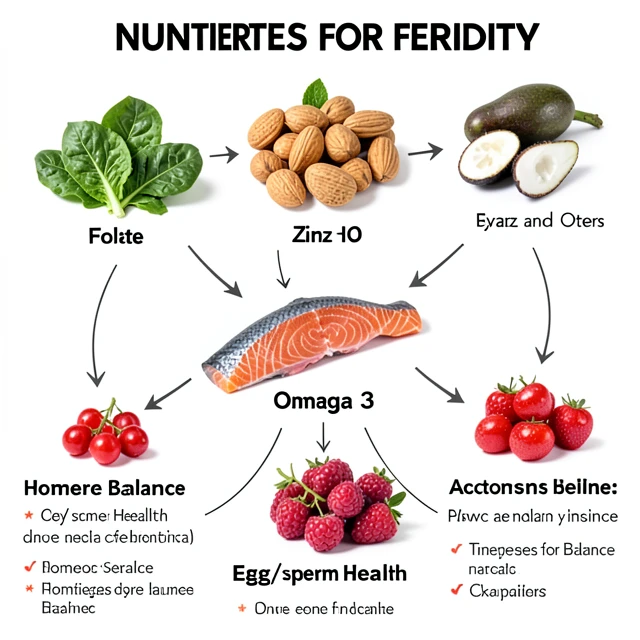
For women, key nutrients help with ovulation and egg quality. Folate reduces ovulation issues and supports early pregnancy. Omega-3 fatty acids fight inflammation and aid hormone balance. Antioxidants from berries and greens protect cells from damage.
Men benefit too. Zinc boosts testosterone and sperm count. Selenium and omega-3s improve sperm motility. A handful of walnuts daily has shown benefits in trials.
Best Foods to Boost Fertility
Focus on these nutrient-packed choices:
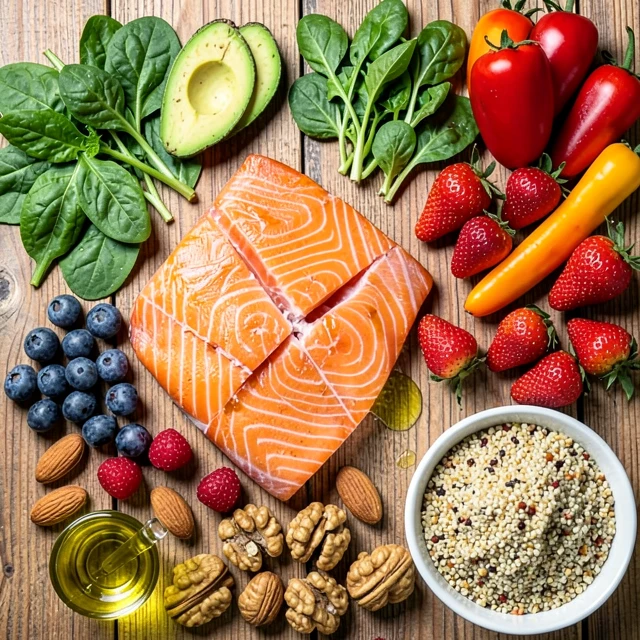
- Fatty fish like salmon: High in omega-3s for better blood flow and hormone regulation.
- Leafy greens (spinach, kale): Packed with folate and iron.
- Nuts and seeds (walnuts, chia): Provide zinc, selenium, and healthy fats.
- Berries: Loaded with antioxidants to fight oxidative stress.
- Avocados: Offer monounsaturated fats for hormone production.
- Legumes (lentils, beans): Plant protein plus fiber and folate.
- Whole grains (quinoa, oats): Stabilize blood sugar to support ovulation.
Aim for variety. A colorful plate usually means good nutrient coverage.
| Nutrient | Benefits for Fertility | Top Food Sources |
|---|---|---|
| Folate | Supports ovulation and reduces birth defect risk | Spinach, lentils, asparagus |
| Omega-3s | Reduces inflammation, improves egg/sperm quality | Salmon, walnuts, flaxseeds |
| Zinc | Boosts hormone levels and sperm count | Oysters, pumpkin seeds, beef |
| Antioxidants | Protects reproductive cells from damage | Berries, dark chocolate, tomatoes |
Small daily habits add up. Start by adding one new food each week.
Avoid or limit trans fats (in fried foods), added sugars, and excessive red/processed meats. These can disrupt hormones and increase oxidative stress.
Hydration matters too—drink plenty of water to support cervical mucus and overall health.
Nutrition Alongside Fertility Treatments
When using fertility drugs, good nutrition complements them. A strong diet may improve response to medications and embryo quality in IVF. While drugs target specific issues, food provides building blocks for your body.
Always talk to your doctor about supplements. Folic acid is standard, and vitamin D or omega-3s may help if you're low.
In my view, the best approach combines medical care with lifestyle tweaks. One friend struggled for years until she focused on anti-inflammatory foods—she conceived naturally soon after.
Listen to your body. Track cycles, eat mindfully, and reduce stress where possible.
Wrapping Up
The role of nutrition in fertility is clear: it supports hormone health, cell protection, and reproductive function. Pair a nutrient-dense diet with awareness of age factors and, if needed, fertility drugs or treatments for infertility. Small, consistent changes can make a real difference on your path to parenthood.