Fertility Treatments: What to Expect – A Complete Guide
Feb. 10, 2026, 6:38 a.m.
Facing infertility can feel overwhelming, but many people build their families through fertility treatments. This guide covers Fertility Treatments: What to Expect, from initial steps to possible outcomes like In Vitro Fertilization (IVF). Whether you're exploring options or starting treatment, understanding the process helps reduce anxiety and set realistic hopes.

Understanding Infertility First
Infertility affects millions. It means not conceiving after a year of trying (or six months if over 35). Causes vary: about one-third stem from female factors like ovulation issues, one-third from male factors like low sperm count, and the rest from both or unknown reasons.
Common female causes include blocked tubes, endometriosis, or age-related egg quality decline. For men, issues often involve sperm production or delivery. Many couples discover treatable problems through basic tests.
Start with your doctor. They may suggest lifestyle changes first—quit smoking, maintain healthy weight, limit alcohol—before advanced help.
For detailed causes and basics, check this overview from the Office on Women's Health.
Common Fertility Treatments
Treatments range from simple to advanced. Doctors often begin with less invasive options:
- Medications: Drugs like clomiphene stimulate ovulation.
- Intrauterine Insemination (IUI): Sperm is placed directly in the uterus.
- Surgery: Fixes issues like blocked tubes or fibroids.
When these don't work, many turn to In Vitro Fertilization (IVF), the most effective assisted method.
What is In Vitro Fertilization (IVF)?
IVF fertilizes eggs with sperm outside the body, then places embryos in the uterus. It's used for various infertility cases, including blocked tubes, low sperm count, or unexplained issues.
A full cycle takes 4-6 weeks, sometimes longer. Success depends on age, health, and clinic expertise. Learn the full process from Mayo Clinic's IVF overview.
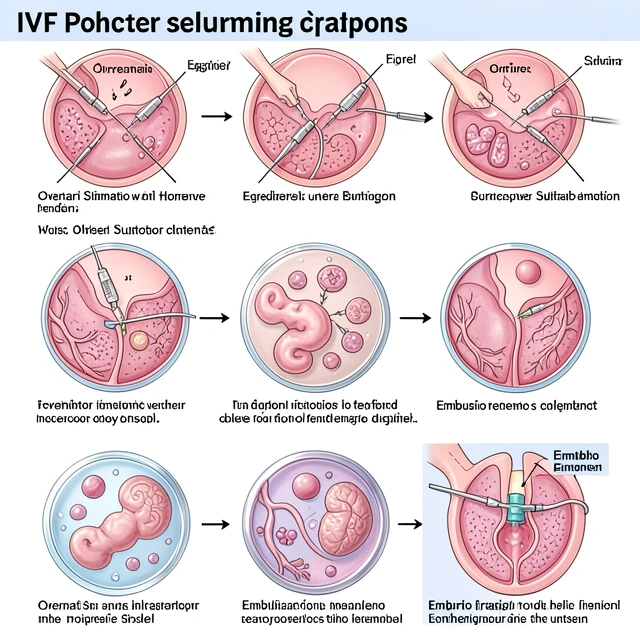
The Standard IVF Process: Step by Step
- Ovarian Stimulation — You take hormone injections for 8-14 days to grow multiple eggs. Monitoring includes blood tests and ultrasounds.
- Trigger Shot — A final injection matures eggs.
- Egg Retrieval — Under sedation, a doctor collects eggs via a needle guided by ultrasound. It takes 20-30 minutes.
- Fertilization — Eggs meet sperm in the lab. Sometimes intracytoplasmic sperm injection (ICSI) helps.
- Embryo Culture — Embryos grow 3-5 days. Some clinics test for genetics.
- Embryo Transfer — One or more embryos go into the uterus via catheter. It's quick and painless.
- Waiting and Testing — Two weeks later, a blood test checks for pregnancy.
Many freeze extra embryos for future use.
Natural Cycle In Vitro Fertilization: A Gentler Option
Natural cycle In Vitro Fertilization skips heavy hormone drugs. It follows your body's natural cycle to retrieve the one egg you produce monthly.
This approach suits those who want fewer meds, avoid side effects like bloating or mood swings, or have low egg reserve. It's less costly per cycle but often needs more attempts since only one egg is retrieved.
Compared to conventional IVF, it feels more natural but has lower success per cycle. It's ideal for specific cases, like younger patients or those sensitive to drugs.
What to Expect Emotionally and Physically
The journey brings highs and lows. Hormone shots can cause fatigue, headaches, or bloating. Retrieval involves minor cramping. Emotionally, waiting periods test patience—many describe anxiety, hope, and occasional disappointment.
Lean on support: partners, friends, counselors, or online groups. Track small wins, like completing a cycle. Rest, eat well, and consider acupuncture or gentle exercise.

Success Rates and Realistic Expectations
IVF success varies mainly by age:
- Under 35: Around 40-55% live birth rate per cycle
- 35-37: 30-40%
- 38-40: 20-30%
- Over 40: 10-25% or lower
These are averages; many need multiple cycles. Use tools like the CDC IVF Success Estimator for personalized odds.
Factors like egg quality, lifestyle, and clinic matter. Donor eggs boost rates for older patients.
Costs, Insurance, and Practical Tips
Costs range widely—often $12,000-$20,000 per cycle, plus meds. Check insurance; some cover parts. Financing or grants help.
Tips: - Choose a reputable clinic with strong success rates. - Prepare questions for consultations. - Build a support network. - Take care of mental health.
Many say persistence pays off.
In summary, Fertility Treatments: What to Expect involves tests, choices like IVF or natural cycle In Vitro Fertilization, and emotional resilience. While challenging, many achieve parenthood. Consult a specialist for your path.