What to Expect from In Vitro Fertilization: A Complete Guide
Feb. 21, 2026, 6:42 a.m.
Quick Overview
In vitro fertilization (IVF) helps many couples build families when natural conception proves challenging. This guide walks you through the steps, what to expect emotionally and physically, success rates, risks, and tips to prepare your body—including lifestyle tweaks—for the best possible outcome.
Understanding IVF: The Basics
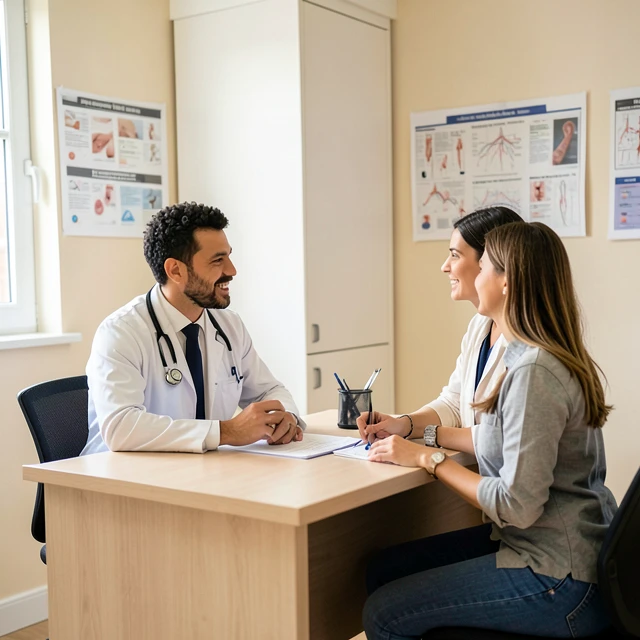
IVF combines eggs and sperm outside the body in a lab, then places resulting embryos in the uterus. Doctors often recommend it for blocked tubes, low sperm count, endometriosis, or unexplained infertility.
Seeing a fertility specialist early proves key. For men, a fertility specialist for male infertility evaluates sperm quality and suggests treatments like lifestyle changes or procedures.
The Step-by-Step IVF Process
An IVF cycle typically lasts 4-8 weeks, though timelines vary.
-
Ovarian Stimulation
You take hormone injections for 8-14 days to grow multiple eggs. Monitoring involves blood tests and ultrasounds. -
Egg Retrieval
Under sedation, a doctor uses ultrasound-guided needle to collect eggs from ovaries. This minor procedure lasts 15-30 minutes. -
Fertilization
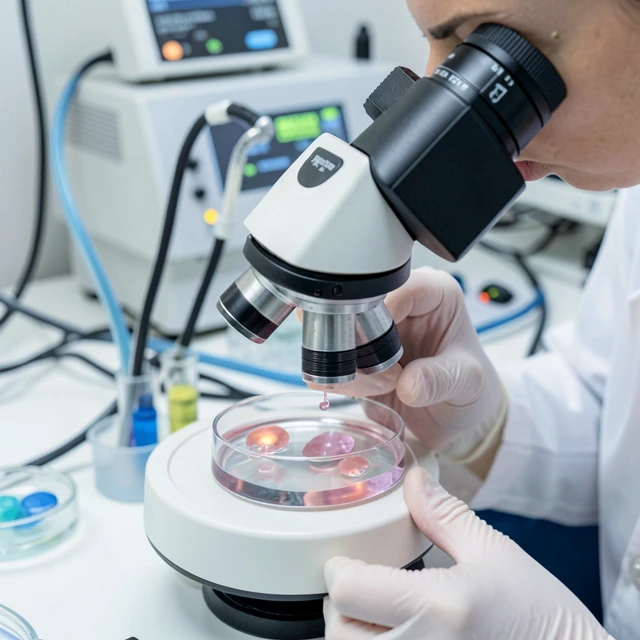
Eggs meet sperm in the lab. Standard mixing or ICSI (direct sperm injection) occurs, especially for male factor issues. -
Embryo Culture
Embryos grow 3-5 days to blastocyst stage. -
Embryo Transfer
One or more embryos go into the uterus via a thin catheter. No anesthesia needed. -
The Two-Week Wait
You wait for a pregnancy test. Support progesterone supplements.
Many describe retrieval day as tiring but manageable. The two-week wait brings the most emotional ups and downs—patience becomes essential.
What Success Rates Look Like
Success depends on age, health, and clinic. Recent data shows women under 35 achieve about 50-55% live birth per cycle. Rates drop with age: around 40% for 35-37, lower beyond 40. Overall averages hover 40-50% for younger patients, with multiple cycles often needed.
Risks and Side Effects
Common effects include bloating, mood swings, and injection discomfort. Rare but serious risks involve ovarian hyperstimulation or multiple pregnancies. Miscarriage rates align with natural conceptions (about 15%). Talk openly with your doctor.
Preparing Your Body: Lifestyle Matters
Before starting IVF, optimize health. Small changes boost chances.
10 Lifestyle Changes to Boost Fertility
Here are practical steps both partners can take:
- Eat balanced meals rich in fruits, vegetables, whole grains, lean proteins.
- Maintain healthy weight—excess impacts hormones.
- Quit smoking completely.
- Limit alcohol or avoid it.
- Reduce caffeine.
- Stay hydrated (8-10 glasses water daily).
- Manage stress through meditation or hobbies.
- Get enough sleep (7-9 hours).
- Take prenatal vitamins with folic acid.
- Avoid environmental toxins like plastics with BPA.
These habits support egg and sperm quality.

Exercise Dos and Don’ts for Conception
Movement helps, but balance matters.
Dos:
- Aim for moderate activity like walking, swimming, yoga (30 minutes, 5 days/week).
- Build muscle strength 2x/week.
- Start routines before trying—improves mood and energy.
Don’ts:
- Avoid extreme intensity or sudden high-volume training.
- Skip heavy workouts during IVF stimulation or post-retrieval—ovaries enlarge, raising torsion risk.
- Consult your doctor before resuming after procedures.
Moderate exercise enhances fertility; overdoing it may disrupt ovulation.
Emotional Side of IVF
The process tests resilience. Many feel isolated—join support groups. Celebrate small wins. Partners should communicate openly.
Final Thoughts
IVF demands commitment but delivers joy for countless families. Work closely with a skilled fertility specialist, adopt healthy habits, and stay hopeful. Each journey differs—focus on what you control.