How Diet Impacts Male Fertility: Foods That Boost Sperm Health and What to Avoid
Feb. 20, 2026, 6:37 a.m.
Quick Overview
Your diet plays a bigger role in male fertility than many realize. Poor eating habits can lower sperm count, motility, and quality, contributing to male infertility. On the flip side, nutrient-rich foods and balanced patterns like the Mediterranean diet support healthier sperm and increase chances of conception. Small changes make a real difference.
Male infertility affects about half of couples struggling to conceive. While age, genetics, and medical issues matter, lifestyle factors—especially diet—are often overlooked. Research shows that what men eat directly affects sperm production, energy, and protection from damage.
Why Diet Matters for Sperm Health
Sperm are sensitive cells. They need specific nutrients to form properly, swim effectively, and avoid oxidative stress—the main culprit behind poor sperm quality.
Studies link unhealthy diets high in processed foods, saturated fats, and sugars to reduced sperm parameters. For example, excessive trans fats and high-fat dairy can harm motility and count.
In contrast, diets rich in antioxidants, omega-3s, and vitamins protect sperm DNA and boost production. A Harvard review highlights how healthy eating patterns improve semen quality, while Western-style diets do the opposite. Read more from Harvard Health on fertility and diet.
Key Nutrients That Support Male Fertility
Certain vitamins and minerals stand out for their role in reproductive health:
- Zinc: Essential for testosterone and sperm formation. Low levels link to poor count and motility.
- Folate and Vitamin C: Antioxidants that reduce DNA damage.
- Omega-3 Fatty Acids: Improve membrane fluidity for better sperm movement.
- Selenium and Vitamin E: Protect against oxidative stress.
Men with higher intake of these often see better results in fertility tests.
Foods That Boost Sperm Quality
Focus on these fertility-friendly choices:
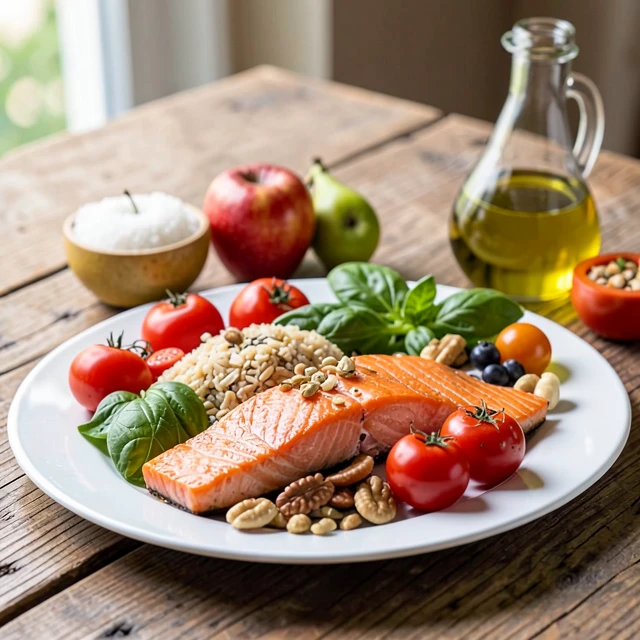
- Fatty Fish (salmon, mackerel): Rich in omega-3s that enhance motility.
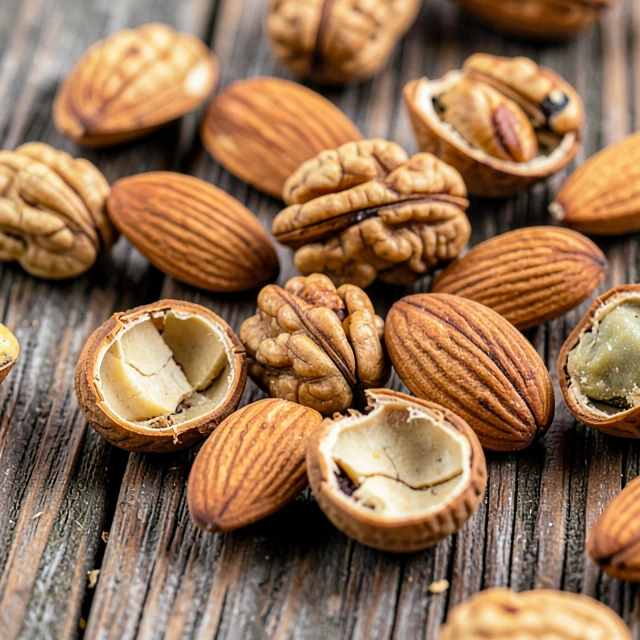
- Nuts (walnuts, almonds): Studies show daily handfuls improve sperm vitality and morphology.
- Fruits and Vegetables (berries, leafy greens, tomatoes): Packed with antioxidants like lycopene and vitamin C.
- Whole Grains and Legumes: Provide steady energy and folate.
- Poultry and Lean Proteins: Better than red or processed meats.
A systematic review found that men following patterns with more fish, fruits, and veggies had higher sperm concentration and motility.
The Power of the Mediterranean Diet
The Mediterranean diet consistently ranks high for male fertility. It emphasizes: - Plenty of fruits, vegetables, and whole grains - Healthy fats from olive oil and fish - Moderate dairy and poultry - Limited red meat and sweets
Multiple studies, including meta-analyses, show men adhering closely to this pattern have better semen parameters. One analysis linked it to improved sperm count and reduced infertility risk. Learn about healthy sperm tips from Mayo Clinic.
Foods and Habits to Limit or Avoid
Some choices harm fertility:
- Processed Meats (bacon, sausages): Linked to lower count and motility.
- Sugary Drinks and Sweets: Increase oxidative stress.
- High Saturated Fats (fried foods, full-fat dairy excess): Disrupt hormone balance.
- Excess Alcohol and Caffeine: Heavy intake lowers testosterone.
Obesity from poor diet also converts testosterone to estrogen, hurting sperm production. Maintaining a healthy weight through diet is key.
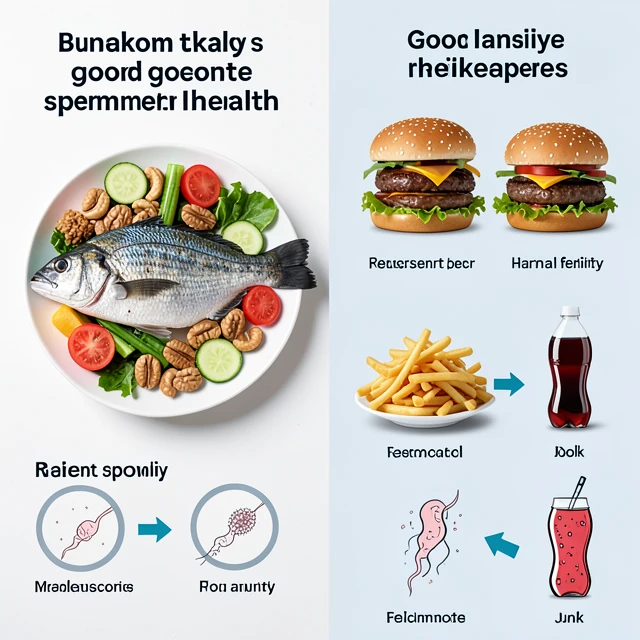
| Foods to Eat More | Foods to Limit |
|---|---|
| Fatty fish, nuts, berries | Processed meats, sugary drinks |
| Leafy greens, tomatoes | Fried foods, trans fats |
| Whole grains, legumes | Excessive red meat |
| Olive oil, avocados | Heavy alcohol |
Personal Insights: Making Changes That Stick
I've seen friends turn things around with simple swaps. One guy switched from fast food lunches to salmon salads and added a daily handful of nuts. After months, his energy improved, and fertility tests showed better motility. It's not about perfection—start small, like replacing soda with water or adding veggies to every meal.
Male infertility and lifestyle changes go hand in hand. Diet tweaks often pair well with exercise, quitting smoking, and stress management for the best results.
Common Myths Debunked
- Myth: Soy always harms fertility. Moderate amounts are usually fine; excessive intake might affect some men.
- Myth: Supplements fix everything. Food sources are better, but antioxidants help in some cases—talk to a doctor first.
- Myth: Fertility is only a woman's issue. Diet affects men just as much.
Final Thoughts
How diet impacts male fertility is clear: nutrient-dense, balanced eating supports sperm health and reduces infertility risks. Adopt Mediterranean-style habits, prioritize antioxidants and omega-3s, and cut processed junk. These changes benefit overall health too. If facing infertility, consult a specialist—diet is one powerful tool in your kit.