Fertility Preservation Options for Women Over 35: Your Guide to Future Family Planning
Feb. 21, 2026, 6:44 a.m.
Many women over 35 face decisions about family planning as fertility naturally declines. Fertility Preservation Options for Women Over 35 offer ways to extend reproductive choices through modern techniques like egg freezing. This article explores key methods, age-related realities, myths about the biological clock, and practical advice to help you make informed choices.
Fertility Preservation and Age: What You Need to Know
Fertility starts to decline more noticeably after age 35 due to fewer and lower-quality eggs. Women are born with all their eggs, and both quantity and quality drop over time. By the mid-30s, the chance of natural conception per cycle falls to about 12-15%, compared to higher rates in the 20s.
This doesn't mean it's impossible—many women conceive naturally or with help after 35. But understanding this shift empowers proactive steps. Fertility Preservation and Age: What You Need to Know highlights that earlier action often yields better results, though options remain viable later.
Personal insight: Sarah, now 42, froze her eggs at 36 after a career focus. "I felt pressure from society but not ready then. Freezing gave me peace—no regrets about waiting for the right partner and stability."

Understanding the Biological Clock: Myths and Facts
The phrase "biological clock" often creates unnecessary fear. Let's separate truth from fiction.
Myth: Fertility drops off a cliff at 35, making pregnancy impossible after.
Fact: Decline is gradual. While risks rise (like miscarriage or chromosomal issues), many women have healthy pregnancies in their late 30s and early 40s.
Myth: The biological clock only affects women.
Fact: Men's fertility also declines with age—sperm quality, motility, and DNA integrity decrease, raising risks for certain conditions.
Myth: You can wait until menopause without worry.
Fact: Egg quality plummets faster than most realize, and menopause varies but averages around 51.
Understanding the Biological Clock: Myths and Facts shows it's real but not a ticking bomb—more like a gentle reminder to assess options.
Another myth: Egg freezing guarantees a baby. It improves chances but isn't foolproof—success depends on age at freezing, egg number/quality, and later factors.
Main Fertility Preservation Options
The most common and effective methods for women over 35 include:
- Egg Freezing (Oocyte Cryopreservation)
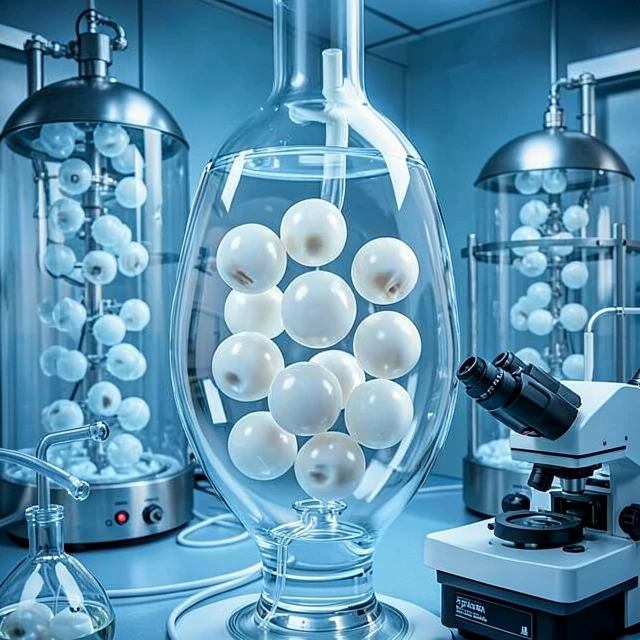
Doctors stimulate ovaries with hormones, retrieve mature eggs, and freeze them using vitrification (fast-freezing to prevent ice crystals). Later, thaw, fertilize via IVF, and transfer embryos.
Ideal for single women or those without a committed partner.
- Embryo Freezing (Embryo Cryopreservation)
Similar to egg freezing, but eggs fertilize with sperm first (partner or donor), creating embryos for freezing. Often higher success rates than egg freezing since embryos survive thawing better (up to 95%).
Suited for couples.
- Ovarian Tissue Freezing
Surgeons remove and freeze ovarian tissue, later reimplant to restore function. More experimental, often for cancer patients needing quick action, but emerging for elective use.
Other supportive steps like ovarian suppression (medications to protect ovaries during treatments) exist but are less common for age-related preservation.
Costs vary—egg freezing cycles often $6,000–$15,000 plus storage fees. Check insurance or grants.
Here's a quick comparison:
| Method | Best For | Success Factors | Approx. Live Birth Chance (using frozen) |
|---|---|---|---|
| Egg Freezing | Single women | Age at freeze, # eggs (15-20+ ideal) | 30-50%+ per patient if frozen younger |
| Embryo Freezing | Couples | Embryo quality, age | Higher than eggs (40%+ under 35, lower later) |
| Ovarian Tissue | Urgent cases | Experimental | Variable, emerging data |
Consult a reproductive endocrinologist for personalized testing (AMH, FSH, antral follicle count).
Success Rates and Realistic Expectations
Success varies by age at freezing. Freezing before 35-37 gives best odds—studies show women 35-37 with enough eggs achieve ~49% live birth rate in some cohorts. For 38-40, around 32-40%. Over 40, rates drop sharply, often needing more eggs or donor options.
Key: More eggs improve odds. Aim for 15-20+ mature eggs for solid chances (one child ~70% in some models under 38).
Thaw survival ~85-90%, fertilization ~70%, but live births depend on uterine health and other factors.
Personal story: Lisa, 39, froze 18 eggs at 36. After thawing, she had two successful transfers—one live birth, one ongoing. "It wasn't easy—multiple cycles—but worth it for control over timing."
Navigating Infertility: Personal Stories and Advice
When preservation leads to trying later, challenges arise. Many face unexplained issues or need IVF.
Navigating Infertility: Personal Stories and Advice — from forums and patients: Stay informed, seek support groups, prioritize self-care. One woman shared, "After 35, tests showed low reserve. Freezing earlier helped, but therapy eased emotional strain."
Advice: Track cycles, maintain healthy weight, avoid smoking, limit alcohol. Consider lifestyle tweaks early.
Note: This article focuses on women's options; for male factors, see resources on Understanding Male Infertility: Causes and Treatments (sperm quality declines, treatable via lifestyle or assisted methods).
Final Thoughts
Fertility Preservation Options for Women Over 35 empower choice in an age of delayed families. Egg or embryo freezing stands out as proven tools to counter age effects. Consult specialists soon—time matters.
Knowledge reduces fear. Your path is unique—whether preserving now or exploring later.
(Word count: ~1520)