Fertility Preservation Options at Mayo Clinic: Protecting Your Future Family
March 19, 2026, 6:47 a.m.
Quick Overview
Facing cancer or other health issues that threaten fertility can feel overwhelming. Fertility Preservation Options at Mayo Clinic give many people hope by protecting eggs, sperm, or embryos before treatment starts. Mayo Clinic experts guide you through personalized choices to help build a family later. Early talks with specialists make a big difference. (About 40 words)
Many turn to fertility preservation when cancer treatments like chemotherapy, radiation, or surgery risk harming reproductive health. These therapies can lower egg quality, reduce sperm count, or damage organs. The good news? Options exist to freeze reproductive material ahead of time, giving you control over future parenthood.
At Mayo Clinic, specialists stress acting fast. A diagnosis often means limited time before treatment begins. Meeting with a reproductive endocrinologist early helps weigh choices based on age, cancer type, and family plans. This step empowers you to make informed decisions without regret.

Why Consider Fertility Preservation?
Cancer isn't the only reason. Some face medical conditions, genetic risks, or want to delay parenthood. Mayo Clinic helps people preserve fertility for these life moments. Protecting your options now can bring peace of mind during tough times.
Personal insight: Many patients share that learning about preservation lifted a weight. One woman in her 30s said, 'Knowing I could freeze my eggs before chemo let me focus on fighting cancer instead of worrying about the future.' Stories like this show the emotional value of these choices.
Main Fertility Preservation Methods at Mayo Clinic
Mayo Clinic offers several proven and emerging options. Here's a clear breakdown:
-
Embryo Cryopreservation (Freezing)
This involves hormone shots to produce multiple eggs, retrieving them, fertilizing with sperm (from a partner or donor), and freezing the resulting embryos. It's often called the gold standard for couples. Embryos survive freezing and thawing at up to 95% success rate. -
Egg Cryopreservation (Oocyte Freezing)
Ideal if you're single or prefer no fertilization yet. Eggs are retrieved and frozen unfertilized. Survival after thawing reaches up to 85%. This method grows in popularity for its flexibility. -
Sperm Cryopreservation
Simple and quick: Provide samples to freeze for later use in IVF or insemination. Sperm can store for decades with good viability.
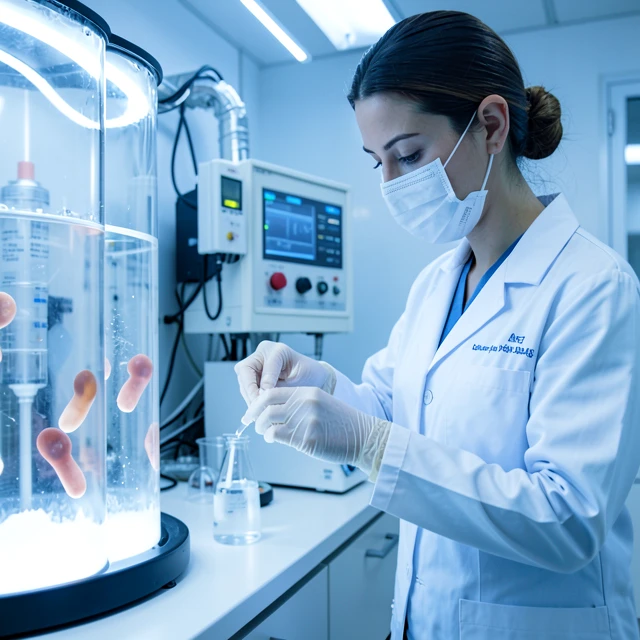
- Ovarian or Testicular Tissue Cryopreservation
For those who can't do egg/sperm retrieval (like prepubertal kids or urgent cases). Tissue is removed, frozen, and later reimplanted. Ovarian tissue has led to live births worldwide, with hormone function returning in over 90% of cases and fertility success around 30-50% in some studies.
Other techniques include shielding organs from radiation, moving ovaries out of radiation fields, or using meds to pause ovarian activity. These suit specific situations and often combine with main methods.
Success Rates of Fertility Preservation Methods
Success varies by age, health, and method. Younger people generally see better outcomes. Embryo freezing leads with up to 95% survival post-thaw. Egg freezing hits 85%. When used in IVF, success ties to age and embryo quality.
From broader data, live birth rates after using preserved material range from 25-50% per cycle, higher under 35. Mayo Clinic tracks strong results, but personal factors matter most. Always discuss your odds with a specialist.
Mayo Clinic IVF Overview - Understand the IVF Process and Risks
Many use preserved embryos or eggs in IVF. IVF involves stimulating ovaries, retrieving eggs, fertilizing in a lab, growing embryos, and transferring one (or more) to the uterus.
The process takes 2-3 weeks per cycle. Risks include multiple pregnancies (higher with more embryos), ovarian hyperstimulation, and emotional strain. Miscarriage rates match natural conception (15% in 20s, higher in 40s). IVF Success Rates depend on age: around 50-60% live births per cycle under 35, dropping with age. Mayo Clinic shares transparent data to help set realistic expectations.

Actionable tip: Prepare by maintaining healthy habits—eat well, avoid smoking, manage stress. These boost egg/sperm quality and IVF chances. Track your cycle and ask about oncofertility programs at Mayo Clinic for cancer patients.
Wrapping Up
Fertility preservation opens doors that illness might close. Fertility Preservation Options at Mayo Clinic combine expertise, compassion, and advanced care. Talk to your team soon—time matters. With the right plan, many build the families they dream of.