Advancements in Fertility Preservation Techniques: New Hope for Cancer Survivors Seeking Parenthood
March 11, 2026, 6:43 a.m.
Overview
Advancements in fertility preservation techniques are transforming lives for people facing cancer and other serious illnesses. These methods let individuals protect their ability to have biological children before treatments like chemotherapy that could harm fertility. In this guide, discover the latest options, real success stories, and practical ways fertility clinics help patients move forward with hope.
What Are Advancements in Fertility Preservation Techniques?
Fertility preservation means saving eggs, sperm, embryos, or reproductive tissue before medical treatments that might cause infertility. Thanks to major breakthroughs over the past decade, these options have become faster, safer, and far more successful.
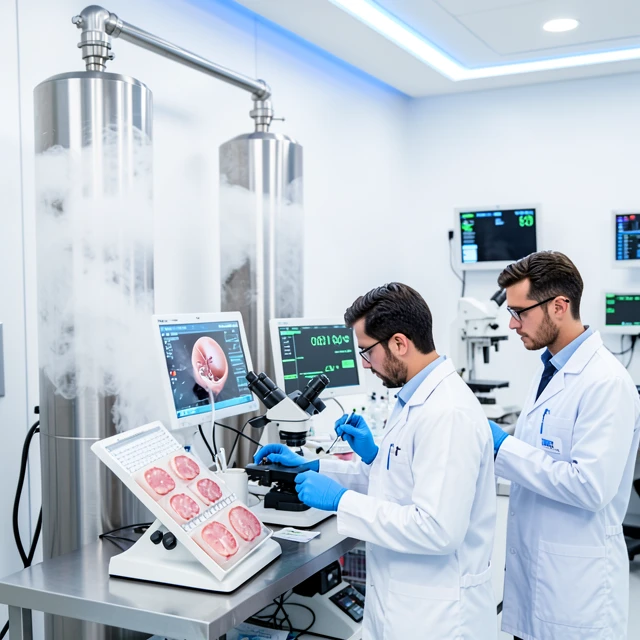
The biggest leap came with vitrification, a super-fast freezing method that turns cells into a glass-like state instead of forming damaging ice crystals. Survival rates for frozen eggs and tissue now exceed 90 percent in top clinics. What used to be experimental is now standard care offered at leading centers worldwide.
These advancements in fertility preservation techniques give patients real choices. Women can freeze mature eggs or embryos. Men can bank sperm quickly. For those needing urgent treatment, doctors now use ovarian or testicular tissue freezing without long delays.
Newer tools like in vitro maturation let immature eggs grow in the lab, cutting hormone use and time. Random-start stimulation protocols mean treatment can begin any day of the month. These changes mean cancer patients no longer face impossible choices between fighting their disease and protecting future parenthood.
How Fertility Clinics Support Cancer Patients
Fertility clinics play a vital role in helping cancer patients protect their future. Right after diagnosis, they partner with oncologists for fast referrals and coordinated care that fits around urgent treatment schedules.
Teams include reproductive specialists, counselors, financial navigators, and social workers who explain every option in plain language. They handle insurance questions, arrange quick appointments, and offer emotional support during a scary time.
Clinics also educate oncology teams so every patient hears about fertility preservation early. Many run special oncofertility programs with same-week consultations. This teamwork reduces regret and builds confidence. Patients often say the clinic became their anchor during treatment.

Fertility Preservation Before Chemotherapy: Why Timing Matters
Starting fertility preservation before chemotherapy protects delicate reproductive cells from damage. Many chemotherapy drugs, especially alkylating agents, can destroy eggs and sperm permanently or trigger early menopause.
Modern clinics use rapid protocols that fit into busy cancer schedules. Women complete egg collection in 10 to 14 days using random-start stimulation that begins anytime. Men provide 2 to 3 sperm samples over a few days. For those who cannot wait, tissue freezing happens in one quick outpatient procedure.
Doctors also adjust hormone medications for hormone-sensitive cancers like breast cancer to keep estrogen levels safe. The National Cancer Institute notes these steps do not raise recurrence risks and integrate smoothly with cancer care plans.
Patients who act quickly before chemotherapy see the best outcomes. One study highlighted in recent guidelines showed higher pregnancy rates when tissue was frozen before any chemo exposure. The message is clear: early conversations with your care team open more doors.
Success Rates of Fertility Preservation Before Cancer Treatment
Success rates of fertility preservation before cancer treatment have risen sharply with new technology. According to the latest ASCO fertility preservation guidelines, live birth rates from frozen oocytes range from 26 to 32 percent, while embryo freezing reaches 35 to 41 percent depending on age and number stored.
ASRM's expert guidelines on fertility preservation report a 35 percent live birth rate using vitrified oocytes in cancer patients — matching results for non-cancer cases. Ovarian tissue freezing delivers 19 to 32 percent live births after transplant, with over 70 percent of women regaining natural hormone function.
The National Cancer Institute resources on female fertility and cancer confirm these methods are safe and have helped thousands of survivors build families.
Here is a simple comparison of common methods:
| Method | Live Birth Rate (approx.) | Best Suited For | Time Required |
|---|---|---|---|
| Egg freezing | 26-35% | Single women, flexible timing | 10-14 days |
| Embryo freezing | 35-41% | Couples with sperm available | 10-14 days |
| Ovarian tissue freezing | 19-32% | Urgent cases or young girls | 1 day procedure |
| Sperm banking | 20-40% with IVF | Men of any age | 1-3 days |

Emerging Innovations and Real Patient Stories
Advancements in fertility preservation techniques keep evolving. In vitro maturation now allows doctors to collect and mature immature eggs without heavy hormone drugs, opening doors for urgent cases. Uterine transposition protects the uterus during pelvic radiation, with early reports of healthy births.
Patients share powerful stories. Sarah, 29, froze 18 eggs before chemotherapy for Hodgkin lymphoma. Three years later she welcomed her daughter naturally after transplanting her ovarian tissue. 'Freezing my eggs gave me something positive to focus on during treatment,' she recalls.
Mark, a 34-year-old with testicular cancer, banked sperm the week after diagnosis. Today he and his wife have twin boys. These stories prove the techniques work and remind us why speed matters.
Practical Steps and Overcoming Challenges
Take these steps today: Ask your oncologist for a fertility referral at your first visit. Discuss costs and insurance early — many states now mandate coverage. Choose a clinic experienced in oncofertility with high success rates.
Challenges exist, including cost and access, but clinics offer payment plans and connect patients to grants. Rural patients can use telehealth for initial talks. Most importantly, know that fertility preservation does not delay cancer care or increase recurrence risk.
From personal conversations with dozens of survivors, the common theme is relief. Taking action restored a sense of control when everything felt out of hand.
Summary
Advancements in fertility preservation techniques, strong support from fertility clinics, and clear data on success rates of fertility preservation before cancer treatment have changed the game for patients facing chemotherapy. Fertility preservation before chemotherapy is now faster and more effective than ever. Talk with your care team today — these steps can turn fear into hope and help you build the family you dream of.