Understanding Fertility Treatments for LGBTQ+ Couples
March 13, 2026, 6:46 a.m.
Building a family is an exciting journey, but for LGBTQ+ couples, it often requires extra steps. Understanding Fertility Treatments for LGBTQ+ Couples helps you navigate options tailored to your needs. This guide covers everything from basic treatments to advanced preservation methods in simple terms. With the right information, you can make informed choices that fit your life and values.
LGBTQ+ couples deserve the same chance at parenthood as anyone else. Advances in reproductive medicine have made it possible for same-sex couples and transgender individuals to have biological or genetically related children. You are not alone in this. Thousands of LGBTQ+ families have grown through these methods every year, turning dreams into reality with science and support.
Whether you are two women, two men, or part of a diverse family, there are paths forward. Let's dive into the details with real stories and practical advice to help you feel empowered every step of the way.

Lesbian couples typically need donor sperm to conceive. The most straightforward option is intrauterine insemination, or IUI. In IUI, the sperm is washed to remove any impurities and then placed directly into the uterus around the time of ovulation. It's less invasive than other methods and often the first choice for many couples starting their journey to parenthood because it mimics natural conception more closely.
If IUI does not work after a few tries, many move to in vitro fertilization, or IVF. Here, eggs are retrieved from one partner, fertilized with donor sperm in a lab, and the resulting embryo is transferred back into the uterus. One partner can carry the baby, creating a strong biological link for the family while keeping the process as personal as possible.
Success rates for IUI are around 10 to 20 percent per cycle for women under 35. IVF can reach 40 to 60 percent depending on age and health. Talk to your doctor about what fits your age and health. Many couples succeed after just two or three cycles and report feeling more confident after understanding the numbers.
A popular variation is reciprocal IVF. One partner donates eggs while the other carries the pregnancy. This lets both partners participate biologically in a meaningful way. It is a beautiful option that strengthens the bond and gives each person a special connection to the child.
Personal insight: Sarah and Emma tried IUI first. After two unsuccessful attempts, they switched to IVF and welcomed their son. The clinic's support made the tough times bearable, and they now advise other couples to prepare emotionally as well as medically.
Gay couples usually involve surrogacy. An egg donor provides the eggs, which are fertilized with sperm from one or both partners using IVF. The embryo is then carried by a gestational surrogate who has no genetic link to the child. This process allows both partners to have a genetic connection if they choose to split samples.
Finding a surrogate involves reputable agencies or known contacts. Screening ensures health and legal agreements protect everyone. It is a team effort with doctors, lawyers, and the surrogate. Ethical practices keep the focus on creating a loving family.
Transgender and non-binary people may have additional considerations. Hormone therapy can affect fertility, so timing matters. Many choose to preserve eggs or sperm before starting treatments to keep future options open and avoid later disappointment.
For transgender men who retain their uterus, pregnancy after pausing hormones is possible. Many have shared positive stories of carrying their own child. Non-binary individuals tailor plans to their unique identity and goals with full medical support.

Fertility preservation for LGBTQ+ individuals is crucial, especially for those planning gender-affirming care. Techniques like egg freezing or sperm freezing let you save your reproductive cells for future use at specialized fertility preservation clinics.
Fertility preservation clinics specialize in these services. They use advanced cryopreservation to keep eggs, sperm, or embryos viable for years. It is a proactive step many take before transitioning or while young to avoid regrets later in life.
The process for eggs involves hormone stimulation for retrieval, similar to the start of IVF. Sperm collection is simpler and quick. Once frozen, they can be used later in IVF or surrogacy with high success if done at younger ages.
Studies show frozen eggs have good outcomes when thawed. Fertility preservation is also useful for older individuals or those with medical conditions affecting fertility. Discuss with specialists early to understand your personal timeline.
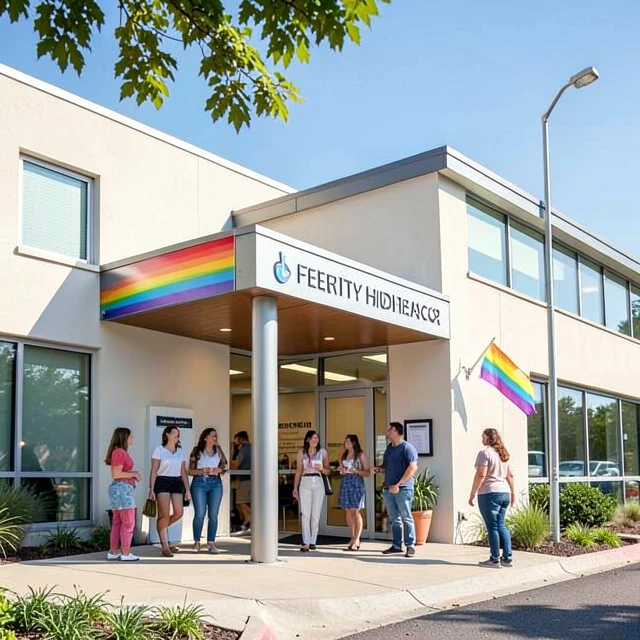
Choosing an LGBTQ+-Friendly Fertility Clinic: What to Look For is one of the most important decisions. Not all clinics are the same. Prioritize inclusivity by looking for clear non-discrimination policies that include sexual orientation and gender identity.
Staff should be trained in LGBTQ+ issues. Check if forms use inclusive language like partner instead of spouse. Success stories with LGBTQ+ families on their website are a good sign of real experience and comfort with diverse patients.
Ask about support services including counseling, support groups, and legal referrals. Review success rates specifically for similar cases. A welcoming environment makes the process less stressful and more effective for everyone involved.
Here is a quick checklist to guide you:
- Non-discrimination policy that explicitly protects LGBTQ+ people
- LGBTQ+ experience and patient testimonials
- Inclusive intake forms and language
- Diverse and trained staff members
- Mental health support and resources available
Visit in person if possible. Notice the atmosphere. Does it feel safe and affirming? These details matter a lot when you are feeling vulnerable during the process.
Fertility treatments can be expensive. IUI might cost 500 to 2000 dollars per cycle. IVF often runs 12000 to 15000 dollars per cycle, not including medications which add thousands more. Surrogacy can exceed 100000 dollars including all fees and legal work.
Insurance coverage varies by state and plan. Some states mandate coverage for infertility treatments, but LGBTQ+ specific needs may not always be included. Check your policy carefully and appeal if needed to maximize benefits.
Financial aid options exist. Some clinics offer payment plans or shared risk programs where you pay for multiple cycles with a partial refund if unsuccessful. Nonprofits provide grants for LGBTQ+ families seeking help.
Legal aspects are important too. In many places, both parents in same-sex couples can be listed on the birth certificate from day one. Work with a lawyer experienced in LGBTQ+ family law to secure your rights and peace of mind.
Risks in treatments include side effects from hormones like mood swings or bloating. But clinics manage these well with personalized plans and close monitoring to keep you comfortable and safe throughout.
Many couples share that the emotional side is as important as the medical one. One lesbian couple we connected with said, Finding a clinic that truly understood our journey made all the difference in our stress levels and gave us hope every day.
Another story from a gay couple using surrogacy: The wait was hard, but support groups helped us stay positive. Now our twins are everything we hoped for and the love we feel is beyond words.
Support from friends, online communities like LGBTQ+ parenting forums, or professional therapists helps. Remember, setbacks are common in fertility treatments, but persistence and self-care pay off in the end.
Take time for your mental health. Mindfulness or counseling tailored to fertility can make the process smoother and keep your relationship strong during challenging moments.
In summary, Understanding Fertility Treatments for LGBTQ+ Couples shows that parenthood is achievable with the right knowledge and support. Explore your options, choose a caring clinic using the Choosing an LGBTQ+-Friendly Fertility Clinic: What to Look For tips, and consider fertility preservation early if it applies to you.
Take the first step today by researching clinics in your area and scheduling consultations. Your family story is waiting to begin. With determination and the right resources, many dreams come true for LGBTQ+ couples and individuals.