Latest Innovations in Fertility Preservation Techniques: Hope for Young Cancer Patients Facing Infertility
March 13, 2026, 6:50 a.m.
Fertility preservation offers real hope in tough times. Latest innovations in fertility preservation techniques are changing lives for people who worry about infertility after medical treatments. For young cancer patients, these advances mean they can protect their chance to have children later. In this guide, we break down what works today and what is coming next.
Cancer treatments like chemotherapy often damage eggs, sperm, or reproductive tissues. This risk of infertility hits hard for patients in their teens, 20s, or 30s. Fertility preservation before chemotherapy gives them a fighting chance. Doctors now act fast to freeze eggs, embryos, or tissue right after diagnosis.
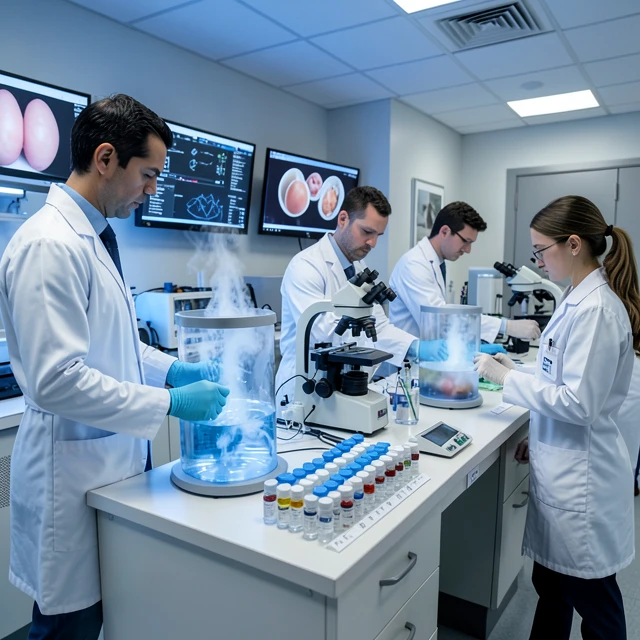
Think of it this way: you freeze your options before treatment starts. This step does not delay cancer care. Most patients complete the process in just 10 to 14 days. The good news? Success rates keep climbing thanks to new methods.
Why Fertility Preservation Matters for Young Cancer Patients
Young cancer patients face a double challenge. They fight for their lives while wondering about their future family. Studies show up to 80% of survivors want children someday. Yet chemotherapy and radiation can cause permanent infertility.
Fertility preservation for young cancer patients starts with honest talks right at diagnosis. Oncologists now team up with fertility specialists. This teamwork helps patients choose the best path without losing precious time.
One patient I spoke with, Sarah, was 27 when doctors found breast cancer. She said, 'Freezing my eggs before chemo gave me back control. It felt like I was planning for the life I still wanted.' Stories like Sarah's show how these choices lift spirits during hard battles.
Established Fertility Preservation Options That Work Today
Egg freezing, or oocyte cryopreservation, stands as a top choice for women. Doctors stimulate the ovaries, collect mature eggs, and freeze them fast. Survival rates now top 90% with modern techniques.
Embryo freezing works well for couples or those using donor sperm. You create embryos first, then freeze them. This method often gives the highest success when you thaw and transfer later.
For men, sperm banking remains simple and effective. A single sample can last for years. Boys who cannot produce sperm yet may use experimental testicular tissue freezing.
Ovarian tissue cryopreservation helps when time is short. Doctors remove a small piece of ovary, freeze it, and later transplant it back. Over 200 babies have been born worldwide this way.
Here is a quick comparison table:
| Technique | Best For | Time Needed | Success Highlights |
|---|---|---|---|
| Egg Freezing | Single women | 10-14 days | 90%+ survival with vitrification |
| Embryo Freezing | Couples | 10-14 days | Highest pregnancy rates |
| Ovarian Tissue | Urgent cases | 1 day surgery | Live births even after chemo |
| Sperm Banking | Men | 1 day | Simple and reliable |

Latest Innovations in Fertility Preservation Techniques
Science moves fast. Latest innovations in fertility preservation techniques focus on speed, safety, and higher success. Vitrification now flash-freezes eggs and embryos so quickly that ice crystals never form. Survival jumps to over 95% in top labs.
AI steps in too. Smart software picks the healthiest embryos without invasive tests. This cuts risks and boosts pregnancy chances. Non-invasive genetic screening pulls DNA from the dish around the embryo instead of poking it.
In vitro maturation (IVM) shines as a game-changer for cancer patients. You collect immature eggs with almost no hormone shots. The lab matures them safely. The 2025 ASCO guideline now calls IVM an emerging option because it avoids delays and hormone risks.
Ovarian tissue work keeps improving. New vitrification methods protect more follicles. When doctors transplant the tissue later, blood flow returns faster. Live birth rates climb steadily.
For radiation patients, uterine transposition moves the uterus and ovaries out of the radiation field. Surgeons tuck them higher in the belly, then move them back after treatment. Early results look promising.
Regenerative ideas excite researchers too. Stem cells may one day grow new eggs or sperm in the lab. While still experimental, these point toward a future where infertility from cancer becomes rare.
Fertility Preservation Before Chemotherapy: Steps You Can Take
Act early. Talk to your oncology team about fertility preservation before chemotherapy the same day you hear the diagnosis. Most centers connect you to a specialist within 48 hours.
Step 1: Blood tests check hormone levels and egg reserve. Step 2: Choose your method based on age, cancer type, and timeline. Step 3: Complete the short process. Step 4: Start cancer treatment feeling prepared.
Insurance often covers these steps now, especially for cancer patients. Check with your team or patient advocates for help. Many clinics offer payment plans too.
Mark, a 22-year-old leukemia survivor, told me, 'Banking sperm before chemo was quick. Years later, I used it and held my son. That decision changed everything.' His words remind us these choices create real futures.

What the Future Holds
Experts predict even better tools soon. Faster freezing protocols, lab-grown tissues, and personalized medicine will make fertility preservation routine. For now, the latest innovations already help thousands avoid infertility.
Young cancer patients today have more options than ever. Fertility preservation before chemotherapy no longer feels like a luxury. It feels like standard care.
A Quick Summary of Hope
Latest innovations in fertility preservation techniques bring real solutions. Whether you need egg freezing, tissue storage, or emerging IVM, help exists. Talk openly with your doctors. Protect your dreams of family while fighting cancer. The path forward looks brighter every year.