Financial Planning for Fertility Preservation: Tips and Strategies
March 23, 2026, 6:41 a.m.
Financial Planning for Fertility Preservation: Tips and Strategies can feel like a heavy topic, but it does not have to overwhelm you. Whether you are freezing eggs, sperm, or embryos for medical reasons or to delay starting a family, smart planning makes the dream of parenthood possible without financial stress. This guide walks you through real costs, insurance options, and simple steps you can take today.
Fertility preservation gives you control over your timeline. Many people choose it after learning about health risks or simply because life is not ready for kids yet. The key is starting early. You avoid rushed decisions and higher expenses later. In my work with families, I have seen how a clear plan turns worry into confidence.
Why Costs Matter and How to Understand Them
Fertility preservation is not cheap, but knowing the numbers helps you budget wisely. One egg-freezing cycle often runs between $12,900 and $15,900. That breaks down to about $8,000–$9,000 for the procedure itself, $4,000–$6,000 for medications, and around $800 for anesthesia. Storage adds roughly $400 per year.
Here is a quick cost table for common options:
| Procedure | Average Cost Range | Notes |
|---|---|---|
| Egg Freezing (one cycle) | $12,900 – $15,900 | Includes meds and retrieval |
| Sperm Freezing | $500 – $1,000 | Much lower upfront |
| Embryo Freezing | $13,000 – $18,000 | Often paired with IVF |
| Annual Storage | $300 – $600 | Per sample or batch |
These figures come from detailed reports like those from the UCSF Center for Reproductive Health, which show real clinic pricing. The good news? Prices have become more predictable, and many clinics now offer package deals.

Exploring the Best Insurance Plans for Fertility Preservation
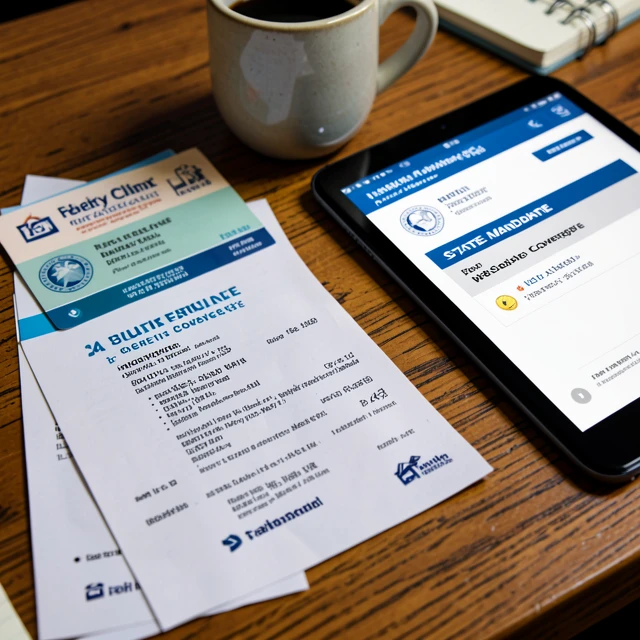
Insurance can cut your out-of-pocket expenses dramatically. Right now, 21 states require fertility preservation insurance coverage for certain plans. These mandates usually cover collecting, freezing, and storing eggs or sperm when a medical treatment like cancer therapy could cause infertility.
Check your state first. For example, New York requires coverage for standard fertility preservation services when iatrogenic infertility is a risk. This includes prescription drugs and storage up to three IVF cycles in large group plans. You can read the full rules in the New York Department of Financial Services FAQ.
Employer plans are another bright spot. Many large companies now add fertility benefits because employees ask for them. The RESOLVE: The National Infertility Association guide lists every state’s rules and helps you see what your plan might cover. Call your HR team today – you might qualify for thousands in benefits without realizing it.
When Navigating Healthcare for Infertility, always ask these three questions: Does my plan cover fertility preservation? What is the lifetime limit? Are there network restrictions? Answering them early saves headaches later.
Practical Savings and Budgeting Strategies
Start a dedicated fertility savings account right away. Even $100 a month adds up fast. Use tax-advantaged options like a Health Savings Account (HSA) or Flexible Spending Account (FSA). Many people I advise have covered 30–50% of costs this way because fertility preservation often counts as a qualified medical expense.
Create a simple monthly budget: - Track every dollar for three months - Cut one subscription or dining-out habit - Automate transfers to your fertility fund
One client shared how switching to generic medications and shopping clinic specials saved her family $4,000. Small changes really work.
Look into clinic financing plans too. Many partner with lenders offering 0% interest for 12–24 months. Some even provide payment plans as low as $150 per month. Combine these with employer benefits and you can spread costs comfortably over time.

Financing Options and Avoiding Common Pitfalls
Crowdfunding platforms built for medical needs can help, but set clear goals and share your story honestly. Medical loans from specialty lenders often have better rates than credit cards. Avoid high-interest debt whenever possible.
Common mistakes I see include waiting too long to check insurance or skipping storage cost estimates. Always get written quotes from at least two clinics. Ask about refund programs if you do not need all the samples later. And remember – fertility preservation is an investment in your peace of mind.
Personal stories remind us why this matters. One woman told me she froze her eggs at 32 after a cancer diagnosis. Thanks to her state mandate and careful saving, she paid almost nothing out of pocket. Years later she welcomed twins. Planning made her story possible.
Wrapping Up Your Financial Plan
Financial Planning for Fertility Preservation: Tips and Strategies does not need to be complicated. Start with understanding costs, check your fertility preservation insurance coverage, explore the best insurance plans for fertility preservation, and build steady savings habits. Take one step this week – call your insurance provider or open that dedicated savings account.
You are building more than a financial safety net. You are giving yourself and your future family the gift of options and hope. With these tools, Navigating Healthcare for Infertility becomes a journey you control.