Understanding Egg Freezing for Women: Complete Guide to Fertility Preservation
April 17, 2026, 6:40 a.m.
Many women today want to build their careers, find the right partner, or simply wait until they feel ready for motherhood. Yet biology does not always align with those plans. Understanding Egg Freezing for Women: Complete Guide to Fertility Preservation offers clear, practical information to help you explore your options and take control of your reproductive future.
Egg freezing, also called oocyte cryopreservation, lets you preserve your eggs at their current quality. Later, when you are ready, doctors can thaw them, fertilize them, and use them to try for a pregnancy. This technology has helped thousands of women extend their fertility window without rushing life decisions.

In this guide, you will learn the full process, realistic success rates, costs, risks, and Understanding Fertility Preservation Options available to you. We also cover Your Legal Rights in Fertility Preservation and touch on related topics like The Process of Sperm Banking Explained for couples or single parents by choice.
Why Women Choose Egg Freezing
Women freeze their eggs for many personal reasons. Some focus on education or career growth. Others have not yet met a partner they want to build a family with. Medical reasons include upcoming treatments like chemotherapy that can harm fertility.
The most important factor is age. Fertility naturally declines after the mid-30s because both the number and quality of eggs drop. Freezing eggs earlier gives you a better chance of success later. Experts recommend considering it before age 35 for optimal results.
One woman shared her story: 'I froze my eggs at 32 while building my tech career. At 38, I met my partner and felt ready. Using those eggs gave us a real shot at pregnancy without the pressure of my biological clock ticking loudly.' Stories like this show how egg freezing can reduce anxiety and provide peace of mind.

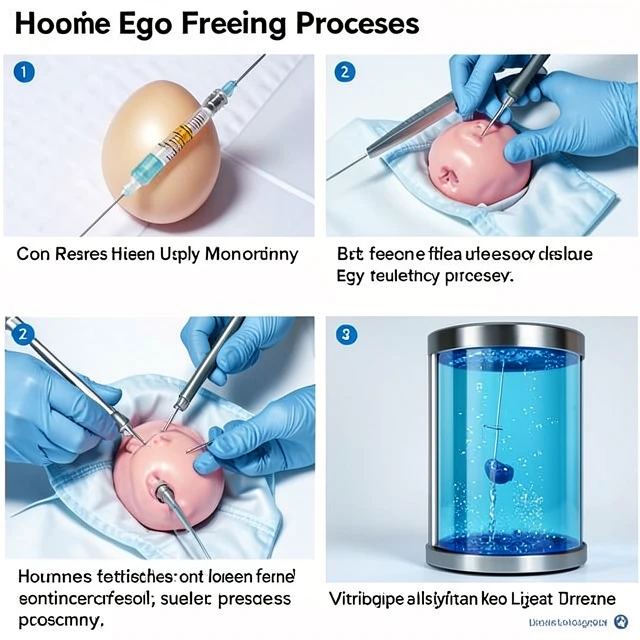
The Egg Freezing Process Step by Step
The process usually takes about two to three weeks and feels similar to the first part of IVF.
- Initial Assessment: Your doctor runs blood tests and an ultrasound to check your ovarian reserve.
- Ovarian Stimulation: You give yourself daily hormone injections for 8-12 days to encourage multiple eggs to mature.
- Monitoring: You visit the clinic every few days for blood work and ultrasounds.
- Egg Retrieval: Under light sedation, a doctor uses ultrasound guidance to collect the eggs through a thin needle. Most women go home the same day.
- Freezing: The lab uses vitrification (rapid freezing) to preserve the mature eggs.
After freezing, you pay annual storage fees. When ready, the clinic thaws the eggs, fertilizes them with sperm, and transfers resulting embryos.
Success Rates and What to Expect
Success depends heavily on your age when you freeze the eggs. Younger eggs perform better.
Studies show that freezing 15 or more eggs can significantly improve chances. Thaw survival rates often reach 74-90%. Fertilization rates hover around 67-80%, and live birth rates per embryo transfer can reach 35-48% in good cases.[10]
According to information from Johns Hopkins Medicine, women who freeze eggs before age 40 have a greater likelihood of pregnancy later. The Johns Hopkins Fertility Center explains that egg supply declines rapidly around age 37.
Realistic expectations matter. Egg freezing does not guarantee a baby, but it gives you options you would not otherwise have.
Costs and Financial Planning
One cycle typically costs $6,000 to $10,000 or more, including medications. Storage adds $200-$500 per year. Some insurance plans cover medical fertility preservation (for cancer patients, for example), but elective freezing often requires out-of-pocket payment.
Check for grants, financing plans, or employer benefits. Planning ahead helps make this investment more manageable.
Risks and Side Effects
The procedure is generally safe. Common side effects include bloating, mood swings, and discomfort from hormone shots. The main medical risk is ovarian hyperstimulation syndrome, which affects a small percentage of women and is usually mild.
Egg retrieval carries minor risks like infection or bleeding, but serious complications are rare (less than 1%). Long-term data shows no increased risk of birth defects in babies born from frozen eggs.
Understanding Fertility Preservation Options
Egg freezing is one powerful choice, but others exist. Embryo freezing (fertilizing eggs first) can sometimes offer slightly higher success rates but requires sperm at the time of freezing. Ovarian tissue freezing is less common and often used for medical cases.
For couples or those using donor sperm, The Process of Sperm Banking Explained involves similar screening and freezing steps. Sperm is easier to freeze and has excellent survival rates.
Your Legal Rights in Fertility Preservation
Laws vary by location, so check local regulations. Frozen eggs are generally considered your property. You decide their use, storage, or disposal through consent forms.
Legal considerations in sperm banking include clear contracts that protect donors (no parental rights) and recipients. For egg freezing, clinics require detailed disposition instructions in case of death, divorce, or other life changes.
Consult a lawyer familiar with reproductive law if you have complex personal situations. Reputable sources like the American Society for Reproductive Medicine provide ethics guidance on planned oocyte cryopreservation.
Personal Insights from Real Women
Many women describe the process as empowering yet emotionally intense. The injections can feel tiring, but most say the discomfort is temporary. The biggest reward? Reduced pressure and more choices in life timing.
One perspective: 'Freezing my eggs did not solve every worry, but it gave me breathing room to focus on what mattered most at the time.'
Is Egg Freezing Right for You?
Consider your age, health, goals, and finances. Talk with a reproductive endocrinologist for personalized advice. Start with basic fertility testing to understand your current situation.
Take time to weigh pros and cons. This decision is deeply personal, and good information helps you choose confidently.
Summary
Understanding Egg Freezing for Women: Complete Guide to Fertility Preservation shows that modern science offers real tools to protect your future family plans. By acting thoughtfully and early, you can preserve options and reduce stress around timing.
Fertility preservation empowers you to live life on your terms while keeping the door open to motherhood when you are ready.