Exercise and Sperm Quality: Finding the Balance
April 13, 2026, 6:38 a.m.
Exercise and Sperm Quality: Finding the Balance
You want to stay fit, but you also dream of starting a family. The good news? Regular movement can improve sperm quality when you strike the right balance. In this article, we dive into the latest research on how exercise affects sperm parameters like count, motility, and shape. We'll cover what works, what to avoid, and simple ways to protect your fertility at any age. Let's get started with the basics.
Sperm quality matters more than most men realize. It directly impacts your chances of conception and the health of future children. Poor sperm quality shows up as low count, slow swimmers, or oddly shaped cells. Factors like age, stress, and lifestyle play big roles. But here's the exciting part: you can take control through smart choices, including exercise.
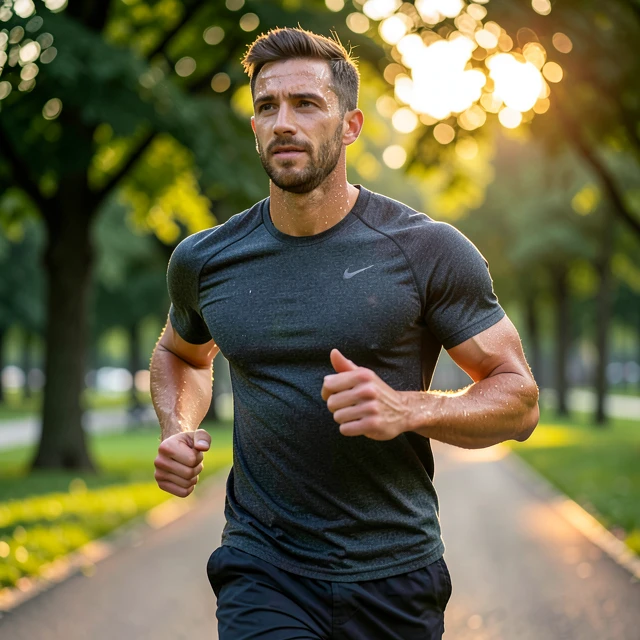
Recent studies confirm that moderate exercise leads to better sperm concentration, motility, and normal forms. A 2025 network meta-analysis in Frontiers in Endocrinology reviewed over a thousand men and found indoor aerobic workouts, outdoor running, and resistance training improved key metrics when done right. Men who exercised 30 to 60 minutes, three to four times weekly, saw real gains without the downsides of extreme training.
Why does moderate movement help? It boosts blood flow to the testes, reduces inflammation, and lowers oxidative stress that damages sperm DNA. One 2025 review in the Asian Journal of Andrology analyzed 30 studies and noted positive links between physical activity and semen parameters in healthy young men. The sweet spot? Medium levels of activity around 600 to 3,000 MET-minutes per week.
On the flip side, too much intense exercise can hurt. High-volume endurance training, like marathon running or heavy cycling, raises scrotal temperature and oxidative stress. Research from Fertility and Sterility in 2025 showed an inverse U-shaped curve: both very low and very high activity levels lowered motility and morphology. Competitive athletes often see temporary drops in sperm quality that recover with rest.
Think about real-life examples. A man who lifts heavy objects at work had 46 percent higher sperm concentration than desk workers, according to a Harvard study. Yet weekend warriors pushing HIIT sessions every day risk the opposite. The key is consistency without burnout.
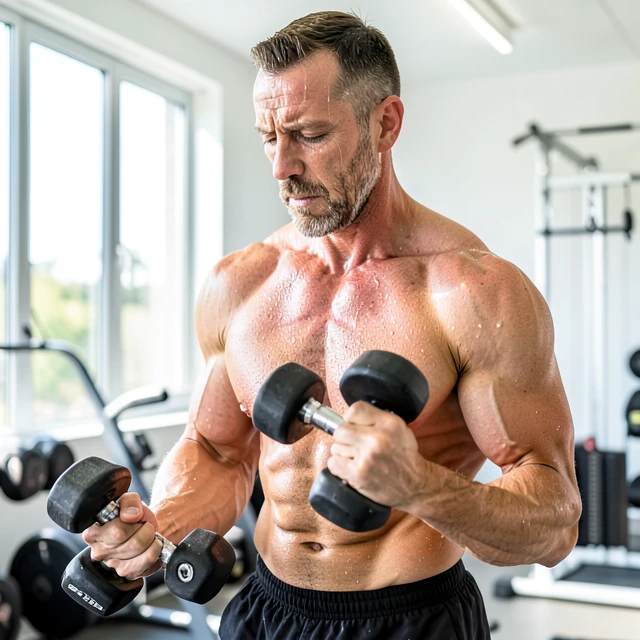
Here's a quick comparison of exercise types and their effects on sperm quality:
| Exercise Type | Intensity Level | Impact on Sperm Quality | Best For |
|---|---|---|---|
| Moderate aerobic (jogging, swimming) | 3-4 sessions/week, 30-60 min | Improves concentration, motility, morphology | Most men seeking fertility boost |
| Resistance training (weights) | Moderate loads, 2-3x/week | Enhances testosterone and overall semen parameters | Building strength without overheat |
| High-intensity interval training (HIIT) | Short bursts, limited days | Mixed results; good in moderation for obese men | Short-term metabolic health |
| Endurance sports (marathons, long cycling) | High volume, daily | Can reduce density and motility due to heat | Avoid or limit during conception planning |
You don't need fancy equipment. Start with brisk walks or bodyweight exercises. Aim for 150 minutes of moderate activity weekly, as health guidelines suggest. Track how you feel—energy up, recovery fast? You're likely in the goldilocks zone for sperm health.
Sperm quality and age correlation is another crucial piece. As men get older, especially after 40, motility and normal morphology decline. A 2024 study in Frontiers in Aging found progressive drops in these areas, plus higher DNA fragmentation. Volume and count hold steadier, but quality suffers. Exercise helps offset some age-related changes by supporting hormone balance and reducing inflammation.
One large analysis of 1,500 samples showed progressive motility fell steadily with each decade. Men over 40 in the top age quartile had noticeably lower scores. The good news? Staying active slows this slide. Combine it with healthy eating and sleep for the best defense.

Stress plays a hidden role too. Chronic worry spikes cortisol, which tanks testosterone and harms sperm production. This is where Stress and Infertility: Breaking the Cycle comes in. Simple daily habits like deep breathing or short walks cut stress hormones fast. Studies link lower stress to higher sperm counts and better DNA integrity.
Holistic approaches work wonders when you layer them together. Holistic Approaches to Male Infertility include balanced nutrition rich in antioxidants, quality sleep, and avoiding toxins. Add moderate exercise and you create a powerful synergy. One trial on obese men showed moderate workouts raised antioxidant levels and improved semen parameters in weeks.
Ready for actionable steps? Try this beginner-friendly plan:
- Monday/Wednesday/Friday: 45-minute brisk walk or jog
- Tuesday/Thursday: 30 minutes of bodyweight squats, push-ups, and planks
- Saturday: Light cycling or swimming for recovery
- Sunday: Full rest or gentle yoga
Drink plenty of water, eat zinc-rich foods like nuts and seeds, and aim for 7-9 hours of sleep. Small changes add up fast.
Personal stories from men I've researched drive this home. One 38-year-old father-to-be switched from daily intense CrossFit to three moderate sessions weekly. His sperm analysis improved dramatically within three months. Another in his late 40s added yoga to manage work stress and saw motility climb 15 percent. These aren't miracles—they're science in action.
Remember, results vary by individual factors like weight and overall health. If you're trying to conceive, get a semen analysis and chat with a doctor. They can tailor advice to your situation.
In summary, Exercise and Sperm Quality: Finding the Balance boils down to moderation. Moderate activity lifts your fertility game, while extremes can set you back. Factor in age, tame stress, and embrace holistic habits for the win. Start today with one small step—you'll feel better and give your future family the best start possible.