Nutrition and Fertility: Best Foods for Conception According to the American Society for Reproductive Medicine
April 10, 2026, 6:39 a.m.
Overview
Nutrition plays a powerful role in your journey to conception. The American Society for Reproductive Medicine emphasizes that what you eat can influence hormone balance, egg and sperm quality, and overall reproductive health. This guide shares practical insights on the best foods for conception, how lifestyle choices connect to infertility diagnosis, and ways diet can support treatments like IVF. Simple changes may improve your odds while making you feel healthier every day.
Have you ever thought about how your daily meals affect your chances of starting a family? Many couples dealing with infertility diagnosis and lifestyle factors discover that small shifts in eating habits bring real hope. The experts at https://www.asrm.org/topics/topics-index/nutrition-and-fertility/ - American Society for Reproductive Medicine: Nutrition and Fertility stress that a balanced diet supports both men and women trying to conceive. You do not need fancy supplements or extreme plans—just smart, everyday choices grounded in science.
From my conversations with couples navigating fertility challenges, I see how empowering it feels when they learn they can take control through food. One partner shared how switching to more plant-based proteins and healthy fats shortened their time to conception. These stories align with what the American Society for Reproductive Medicine reports: nutrition matters for natural fertility and even boosts outcomes during assisted treatments.
Understanding the Link Between Nutrition and Fertility
Your body needs the right building blocks to produce healthy eggs and sperm. Poor nutrition can disrupt hormones and increase inflammation, which ties directly into infertility diagnosis and lifestyle factors. The American Society for Reproductive Medicine notes that maintaining a healthy weight through diet reduces risks for both partners. Being underweight or overweight can affect ovulation in women and sperm quality in men.
Studies highlighted by reproductive medicine experts show that certain eating patterns improve conception rates. A Mediterranean-style approach—rich in vegetables, fruits, whole grains, fish, and olive oil—stands out. Couples who follow these guidelines often report better energy and cycle regularity. This connection becomes even clearer when doctors discuss infertility diagnosis and lifestyle factors during consultations.
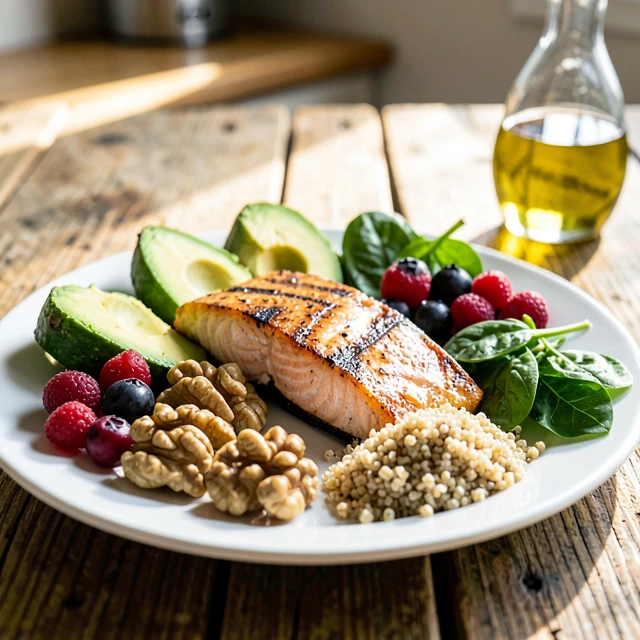
Nutrition and Fertility: Best Foods for Conception
The American Society for Reproductive Medicine recommends focusing on nutrient-dense whole foods rather than restrictive diets. Here are standout choices that support reproductive health for both partners:
Top Foods and Their Benefits
| Food | Key Nutrients | How It Helps Fertility |
|---|---|---|
| Salmon and fatty fish | Omega-3 fatty acids | Reduces inflammation, improves egg and sperm quality |
| Leafy greens (spinach, kale) | Folate, iron, antioxidants | Supports ovulation and prevents birth defects |
| Walnuts and nuts | Healthy fats, vitamin E | Boosts sperm motility and hormone balance |
| Berries and citrus | Vitamin C, antioxidants | Protects reproductive cells from damage |
| Whole grains (quinoa, oats) | Fiber, B vitamins | Stabilizes blood sugar and supports regular cycles |
| Avocados and olive oil | Monounsaturated fats | Enhances hormone production and absorption of nutrients |
| Beans and lentils | Plant protein, iron | Provides steady energy without excess animal fats |
These foods appear again and again in research tied to the American Society for Reproductive Medicine guidelines. For example, swapping red meat for fish or plant proteins lowers trans fats while raising beneficial omega-3s. Many couples tell me they feel more confident after adding two or three of these items daily.
Men benefit too. Antioxidants in berries and nuts help protect sperm from oxidative stress. Women notice steadier cycles when they include more folate-rich greens. These changes fit naturally into busy lives and pair well with other steps in an infertility diagnosis plan.
Key Nutrients That Support Conception
Beyond whole foods, certain nutrients deserve special attention. Folic acid tops the list—the American Society for Reproductive Medicine advises at least 400 micrograms daily to lower risks of neural tube defects and support early pregnancy. You get it from greens, beans, and fortified grains, but a prenatal vitamin often fills any gaps.
Omega-3 fatty acids from fish or supplements improve blood flow to reproductive organs. Vitamin D, found in fortified dairy or sunlight, aids hormone regulation. Iron from plant sources prevents fatigue that can complicate conception efforts. Tracking these through regular check-ups gives couples clear data during infertility diagnosis and lifestyle factors discussions.

Infertility Diagnosis and Lifestyle Factors: Where Diet Fits In
Doctors often explore lifestyle before or alongside medical tests in an infertility diagnosis. The American Society for Reproductive Medicine points out that diet ranks high among modifiable factors. Excess sugar and processed foods can worsen insulin resistance, which affects ovulation. Cutting back on trans fats and caffeine helps many couples improve their baseline health.
Stress management and regular movement complement good nutrition. One couple I followed reduced alcohol and added daily walks with their new fertility-friendly meals. Within months, they saw positive changes in hormone panels. These lifestyle factors give hope even when medical causes exist.
How Nutrition Supports IVF Success
For those pursuing IVF, diet becomes an even stronger ally. The American Society for Reproductive Medicine notes that a pro-fertility eating pattern before treatment raises live birth rates. Higher intake of whole grains, dairy, and seafood correlates with better embryo quality and implantation. Patients who prepare their bodies with these foods often report feeling stronger throughout the process.
Simple pre-IVF steps include loading up on antioxidants and avoiding high-mercury fish. Many clinics now share these nutrition and fertility tips because evidence shows they complement medical care. You stay in control while the medical team handles the technical side.
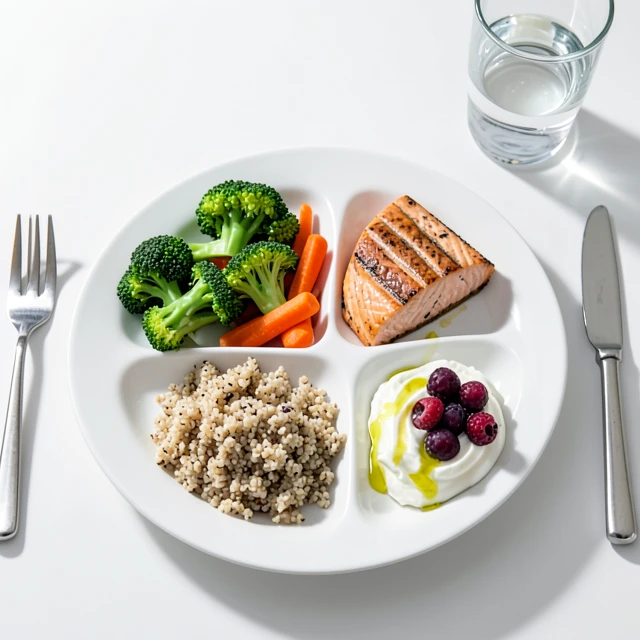
Practical daily tips make these changes easy. Start your morning with oatmeal topped with berries and walnuts. Lunch could feature a big salad with grilled salmon and olive oil dressing. Dinner might include stir-fried vegetables over quinoa with beans. Small swaps like choosing full-fat dairy over low-fat versions align with research on fertility benefits.
Common Myths and What Actually Works
You might hear that strict diets or specific superfoods guarantee pregnancy. The truth, according to the American Society for Reproductive Medicine, lies in consistent, balanced eating rather than extremes. No single food cures infertility, but the overall pattern matters. Avoid unproven cleanses that could stress your body.
Focus on enjoyment too. Share meals with your partner to build connection during what can feel like a stressful time. Track how you feel after a week of better choices—many notice steadier moods and energy.
Summary
Nutrition and fertility go hand in hand. By choosing the best foods for conception and addressing lifestyle factors in infertility diagnosis, you give your body the support it needs for natural conception or IVF. The American Society for Reproductive Medicine provides clear, evidence-based direction that empowers real couples every day. Start small, stay consistent, and consult your doctor for personalized advice. Your next meal could be a meaningful step toward the family you dream about.