Fertility Treatments: What to Expect
April 7, 2026, 6:35 a.m.
Fertility Treatments: What to Expect can feel like stepping into the unknown when infertility becomes part of your story. This guide walks you through every stage with clear, honest details. You will explore In Vitro Fertilization (IVF), the gentler natural cycle In Vitro Fertilization option, and practical ways to prepare your body and mind. Real couples share what worked for them. By the end, you will feel informed, empowered, and ready to move forward with confidence toward building your family.

Understanding Infertility
Infertility affects about one in eight couples trying to conceive. Doctors call it infertility when pregnancy does not happen after one full year of regular unprotected sex. For women over 35, the timeline shortens to six months. You might wonder why this is happening to you. Causes range from hormone imbalances and blocked fallopian tubes in women to low sperm count or poor sperm quality in men. Age plays a huge role too. Egg quality naturally declines after 35.
Other factors include conditions like PCOS, endometriosis, or lifestyle habits such as smoking and high stress. Sometimes doctors find no obvious reason at all. This unexplained infertility touches up to 30 percent of couples. The important thing to remember is that you are not alone, and effective treatments exist. Early testing helps identify the root cause so you can choose the best path forward.
At your first appointment, expect a thorough conversation about your medical history, menstrual cycles, and any previous pregnancies. Both partners usually complete basic tests. Women often get blood work to check hormone levels and an ultrasound to view the ovaries and uterus. Men provide a semen sample for analysis. These steps feel routine once you start, and they give your doctor the information needed to build a plan tailored just for you.
Exploring Your Treatment Options
Doctors usually begin with simpler approaches before recommending advanced procedures. Fertility drugs can stimulate ovulation, while intrauterine insemination places prepared sperm directly into the uterus. When these steps do not lead to pregnancy, many couples turn to In Vitro Fertilization. IVF has helped millions of families worldwide overcome infertility. It works especially well for blocked tubes, severe male factor issues, or unexplained cases.
You stay in control of decisions at every point. Your doctor explains risks, costs, and expected outcomes so you can choose what feels right for your situation.
The In Vitro Fertilization Process: Step by Step
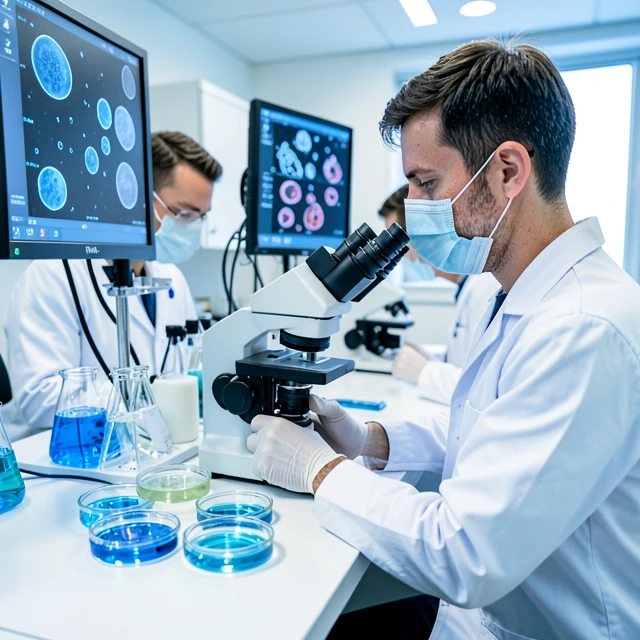
In Vitro Fertilization follows a clear timeline that usually lasts four to six weeks. You begin with daily hormone injections or nasal sprays to encourage your ovaries to produce multiple eggs. Your clinic team monitors progress with frequent ultrasounds and blood tests so they can adjust doses and time everything perfectly.
Once eggs reach the right size, you receive a trigger shot to finalize maturation. About 36 hours later, egg retrieval happens under light sedation in a minor procedure. A thin needle gently collects the eggs while you rest comfortably. On the same day, sperm from your partner or a donor meets the eggs in the lab.
Embryologists watch the fertilized eggs develop into embryos over the next three to five days. The healthiest ones get transferred into your uterus through a quick, painless catheter procedure. Any extra high-quality embryos can be frozen for future cycles. Two weeks after transfer, you take a blood pregnancy test. That wait feels intense, but many people use the time to rest and visualize positive results.
You might experience mild cramping or bloating from the hormones, but most describe the process as manageable with good support.
Natural Cycle In Vitro Fertilization: A Gentler Choice
If heavy stimulation concerns you, natural cycle In Vitro Fertilization offers a milder alternative. This method skips most fertility drugs and follows your body’s own menstrual cycle. Doctors retrieve the single egg your ovaries produce naturally each month. The rest of the steps mirror standard IVF: fertilization in the lab and embryo transfer.
Natural cycle In Vitro Fertilization suits women who react strongly to hormones or prefer a more organic approach to treating infertility. It often involves fewer side effects and lower medication costs, though you may need several cycles to achieve pregnancy since only one egg is available each time. Many patients appreciate the simplicity and reduced physical stress. Talk with your doctor to see if this fits your health profile and goals.
The Emotional and Financial Side of the Journey
Fertility Treatments: What to Expect test more than your body. Hormones can cause mood swings, and the waiting periods create anxiety for many couples. One patient told me the two-week wait after embryo transfer felt longer than the entire cycle. She found daily walks and journaling helped her stay grounded. Lean on your partner, join online support groups, or speak with a counselor who understands infertility. Open conversations keep your relationship strong through the ups and downs.
Financially, a single IVF cycle often costs between 12,000 and 25,000 dollars depending on your location and any add-ons like genetic testing. Insurance coverage varies widely, so check your policy early. Some clinics offer payment plans or shared-risk programs that refund part of the fee if pregnancy does not occur. Planning ahead reduces stress and lets you focus on what matters most.

Real Success Rates and Actionable Tips
IVF success depends mainly on the woman’s age and overall health. Women under 35 often see live birth rates of 40 to 50 percent per cycle. The rate drops to 30 to 40 percent for ages 35 to 37, 20 to 30 percent for 38 to 40, and 10 to 15 percent after 40. These numbers come from large registries and improve each year with better lab techniques. Your clinic will share their specific rates during consultation.
Here is a quick reference table of average live birth rates per IVF cycle:
| Age Group | Live Birth Rate per Cycle |
|---|---|
| Under 35 | 40-50% |
| 35-37 | 30-40% |
| 38-40 | 20-30% |
| Over 40 | 10-15% |
To give yourself the best shot, focus on simple daily habits. Eat a balanced diet rich in antioxidants, maintain a healthy weight, quit smoking, and limit caffeine and alcohol. Regular moderate exercise like yoga or swimming reduces stress. Follow every instruction from your medical team exactly. Many couples add acupuncture or mindfulness practices and report feeling more in control.
Remember, each cycle builds on the last. If the first attempt does not work, your doctor adjusts the plan based on what you learned. Persistence combined with expert care leads to success for most people who keep going.
Summary
Fertility Treatments: What to Expect bring a mix of hope, science, and personal strength. From understanding your infertility diagnosis to completing In Vitro Fertilization or choosing natural cycle In Vitro Fertilization, every step moves you closer to your goal. Stay informed, communicate with your care team, and nurture your emotional well-being along the way. Thousands of families have walked this path and now hold their babies thanks to these treatments. Your story can have the same happy ending. Take that first appointment, ask every question, and believe in the possibilities ahead.