Understanding Infertility: Causes and Treatments
April 5, 2026, 6:37 a.m.
Understanding Infertility: Causes and Treatments affects millions of hopeful parents every year. Around 1 in 6 people worldwide face challenges conceiving, yet many find answers and success with the right knowledge and care. This guide walks you through the basics, common causes, effective treatments, and how to locate the best fertility clinics near you. You will gain simple, practical insights that empower real decisions.

Infertility means you have not become pregnant after one year of regular unprotected sex. Doctors define it clearly so couples know when to seek help. It touches both partners equally in many cases. You might feel alone, but you are not. Millions share this journey and move forward with support from a trusted fertility clinic.
What causes infertility? The reasons split between female factors, male factors, and sometimes both. Doctors find a clear cause in about 85 percent of couples. The rest fall into unexplained infertility, which still responds well to treatment.
In women, the most common issues involve ovulation. Conditions like polycystic ovary syndrome stop eggs from releasing regularly. Endometriosis can create scar tissue that blocks fallopian tubes or affects egg quality. Past infections or surgeries sometimes damage the reproductive system too.
According to the Cleveland Clinic’s detailed overview of infertility, hormonal imbalances, age, and uterine problems also play major roles. Age matters because egg quality and quantity drop after 35. That is why many couples choose to start evaluation early.
Male infertility often stems from low sperm count, poor sperm movement, or unusual shapes. Lifestyle choices, hormone levels, and past illnesses can contribute. About 40 percent of all infertility cases involve a male factor, so doctors always check both partners.

Lifestyle factors affect everyone. Smoking, heavy alcohol use, extreme weight, and high stress lower fertility in both partners. Environmental toxins and certain medications add risk too. Small daily changes can make a big difference while you explore medical options.
Diagnosis starts with honest conversations and simple tests. Women often receive blood work, ultrasounds, and hormone checks. Men provide a semen analysis. The process feels straightforward at a good fertility clinic and gives clear next steps.
Treatment depends on the cause. Many couples begin with medication that triggers ovulation. Intrauterine insemination places prepared sperm directly into the uterus. When needed, in vitro fertilization combines eggs and sperm in a lab and places healthy embryos back in the uterus.
The World Health Organization fact sheet on infertility notes that accessible care improves outcomes worldwide. Advanced options like genetic screening and egg freezing give more control to those planning ahead.
Surgery helps in specific cases. Doctors can remove scar tissue, repair blocked tubes, or treat endometriosis. These procedures often restore natural fertility and reduce pain at the same time.
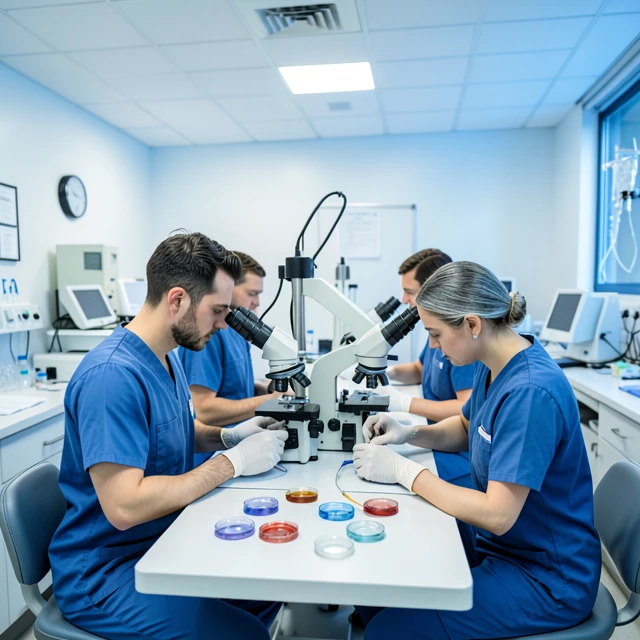
Many couples wonder how to find the best fertility clinics near me. Start by checking success rates, patient reviews, and doctor credentials. Look for clinics that offer clear communication and emotional support. A fertility clinic that feels like a partner makes the entire process less stressful.
I once guided a couple who had tried for two years without success. After simple lifestyle tweaks and targeted medication at their local fertility clinic, they conceived naturally within months. Stories like theirs remind us that answers often come faster than expected.
Another patient shared how endometriosis caused her pain and infertility. Laparoscopic surgery plus careful hormone management opened the door to pregnancy. Her experience shows why personalized care matters more than one-size-fits-all approaches.
Here is a quick list of actionable steps you can take today: - Track your cycle with a simple app - Maintain a healthy weight through balanced meals - Limit caffeine and quit smoking - Schedule a preconception check-up with your doctor - Discuss both partners’ health history openly
A table of common treatments and when doctors recommend them:
| Treatment | Best For | Typical Success Rate |
|---|---|---|
| Ovulation medication | Irregular cycles, PCOS | 20-40% per cycle |
| Intrauterine insemination (IUI) | Mild male factor, unexplained | 10-20% per cycle |
| In vitro fertilization (IVF) | Tubal issues, severe male factor | 40-50% per cycle for women under 35 |
| Surgery | Endometriosis, blocked tubes | Varies by case |
Emotional support plays a huge role too. Join support groups or talk with a counselor who understands infertility. Many fertility clinics now include mental health professionals on staff because hope and resilience grow stronger together.
If you are searching for the best fertility clinics near me, remember location matters for frequent visits, but expertise and compassion matter more. Ask about virtual consults and transparent pricing so you feel confident every step of the way.
In summary, understanding infertility opens doors to effective solutions. From lifestyle changes to advanced treatments at a fertility clinic, real progress happens when you combine knowledge with action. Many couples who once felt stuck now hold their babies and share their success stories.