How to Prepare for a Successful IVF Cycle
April 3, 2026, 6:43 a.m.
Preparing for IVF takes more than just showing up at the clinic. When you understand how to prepare for a successful IVF cycle, you give yourself the best shot at a positive outcome. This journey addresses infertility head-on, blending medical steps with personal choices that support your body and mind. In this guide, you will find clear, actionable advice drawn from real experiences and expert insights.

IVF, or in vitro fertilization, helps many couples overcome infertility. Success depends on careful preparation before the cycle starts. You will face hormone treatments, egg retrieval, fertilization, and embryo transfer. Each phase benefits from smart planning. Couples who prepare well often feel more in control and see better results.
Start by learning the full process. Your clinic will run tests like ovarian reserve checks and semen analysis. These reveal how your body might respond. According to Mayo Clinic's detailed guide to IVF screening tests, early evaluations help tailor your plan and set realistic expectations.
Lifestyle changes make a real difference. Your daily habits influence egg and sperm quality. Eat nutrient-rich foods, exercise moderately, and cut back on alcohol and caffeine. Many patients notice improved energy when they swap processed snacks for whole foods like leafy greens, berries, nuts, and lean proteins.
Here is a simple checklist to follow in the weeks before your cycle: - Quit smoking and limit alcohol - Maintain a healthy weight - Take prenatal vitamins with folic acid - Reduce stress through walks or meditation - Get 7-8 hours of sleep nightly

Exercise matters, but keep it gentle. Light walking or yoga supports blood flow without stressing your ovaries once stimulation begins. One couple I supported shared how daily evening strolls helped them stay calm and connected during their IVF journey.
Medical preparation includes more than tests. Review all medications with your doctor. Some supplements boost fertility, while others might interfere. Track your cycle and plan work around appointments to reduce stress.
Emotional readiness is just as important as physical prep. Infertility brings ups and downs. Talk openly with your partner. Consider counseling or support groups. UCSF Health's tips on preparing emotionally for your IVF cycle suggest scheduling relaxing activities and deciding who to tell about your treatment.
Many people feel a mix of hope and anxiety. Acknowledge those feelings. Journaling or mindfulness apps can help you stay grounded. Remember, you are not alone—thousands of families succeed each year after thoughtful preparation.
As you move closer to embryo transfer, focus on uterine health. Your doctor may prescribe hormones to build a thick, receptive lining. Follow the protocol exactly. NCBI's overview of IVF preparation and ovarian reserve testing explains how these steps set the stage for implantation.
Best practices for embryo transfer procedures improve outcomes. Clinics use ultrasound guidance and soft catheters. ASRM's guidelines on best practices for embryo transfer procedures recommend removing cervical mucus and placing the embryo in the ideal spot—more than one centimeter from the top of the uterus.
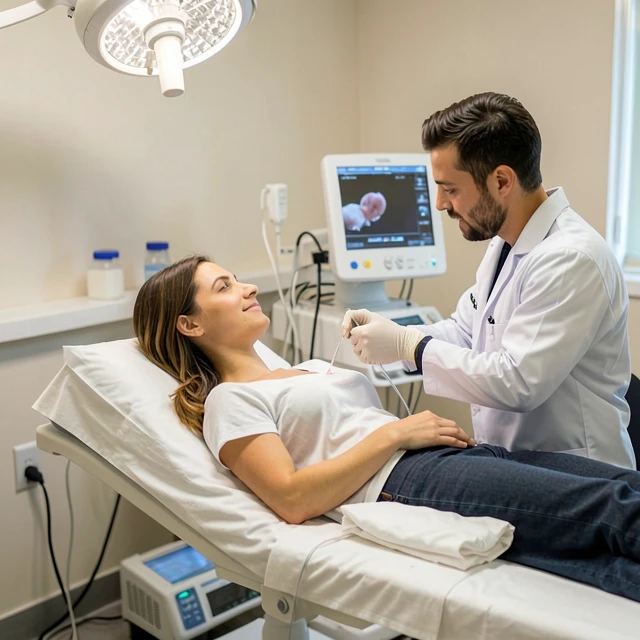
On transfer day, arrive relaxed. The procedure takes just minutes. Rest afterward, but normal activity is fine. Avoid hot tubs or heavy lifting for a few days. Your clinic will guide you on progesterone support to help the embryo settle.
Success rates vary by age and health. Younger women often see higher chances, but every cycle is unique. Stay positive and follow up with your team. If the first try does not work, many couples succeed on the second or third attempt.
After the transfer, the two-week wait tests patience. Light spotting is common and does not always mean bad news. Focus on self-care. Eat well, stay hydrated, and rest. Reach out to your doctor with any concerns.
In summary, how to prepare for a successful IVF cycle combines medical precision with personal care. By making healthy choices, following best practices for embryo transfer procedures, and nurturing your emotional well-being, you stack the odds in your favor. IVF offers real hope for families facing infertility. Trust the process, lean on support, and celebrate each step forward.