The Emotional Impact of Deployment on Family Planning
April 4, 2026, 6:35 a.m.
Military life brings unique joys and tough challenges. For many service members and their families, deployment adds layers of stress that reach deep into personal decisions like when and how to have children. The Emotional Impact of Deployment on Family Planning touches everything from daily worries to long-term dreams of building a family.
Deployments separate partners for months or even longer. This time apart creates uncertainty about the future. Couples often pause big life choices, including family planning, because of the emotional strain. Fear for a loved one's safety, loneliness, and added responsibilities at home can make starting or expanding a family feel overwhelming.
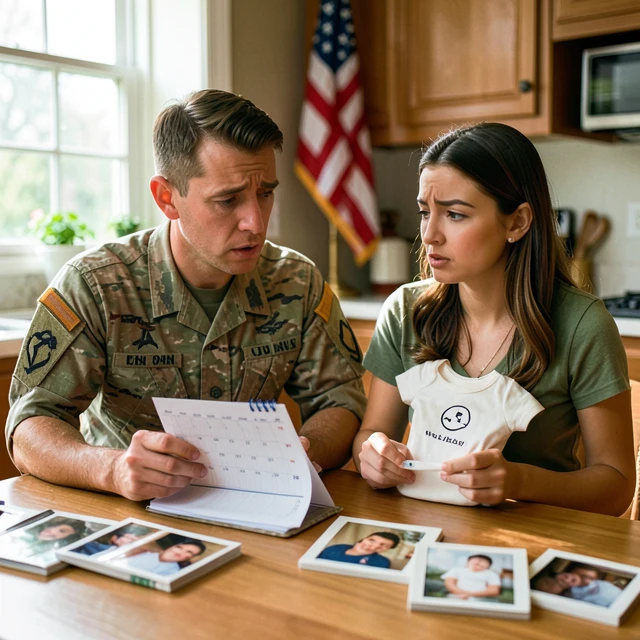
Many families describe a rollercoaster of emotions. Before deployment, excitement mixes with anxiety. During the separation, partners at home manage everything alone while worrying constantly. When the service member returns, joy often collides with adjustment struggles. These shifts directly influence decisions about having children.
Understanding the Emotional Cycle
Experts describe an emotional cycle of deployment that affects family planning. It starts with anticipation and preparation, moves into the long separation with loneliness and stress, and ends with reintegration that can bring both happiness and tension.
During deployment, the spouse at home often feels overwhelmed with extra duties, childcare, and financial pressures. This added stress can lead to sadness, anxiety, or even depression. Studies show that deployment increases emotional and behavioral difficulties for children too, which makes parents hesitate about adding to the family.
Service members worry about missing key moments like pregnancies or first steps. The fear of not being present creates emotional distance that complicates intimate conversations about future children. Many couples report putting family plans on hold until after the deployment ends.

Reintegration brings its own challenges. Couples must rebuild closeness after long separations. Some find it hard to reconnect emotionally or physically right away. This period can delay decisions about family planning as partners focus on healing and adjusting to life together again.
Navigating Family Planning in the Armed Forces
Navigating Family Planning in the Armed Forces requires open communication and realistic timelines. Frequent moves, training schedules, and deployments make traditional family planning difficult. Many couples choose to wait until a more stable posting or after a deployment cycle.
Women in the military face extra considerations. Pregnancy and postpartum recovery must align with career demands and deployment schedules. Delaying family building can affect fertility naturally as age increases, adding another layer of emotional weight.
Here are practical steps many families find helpful:
- Talk openly with your partner about timelines and feelings well before any deployment notice.
- Create a family care plan that includes support for potential children.
- Connect with other military families who have faced similar choices for real insights.
- Schedule regular check-ins during deployment via calls or letters to keep emotional bonds strong.
Personal stories highlight the reality. One Army spouse shared how she and her husband delayed trying for their second child during back-to-back deployments. 'We wanted to be together for the journey,' she said. 'The wait was hard, but it strengthened our commitment.'
Fertility Preservation: A Proactive Choice
Uncertainty around deployments leads many to explore fertility preservation. This option lets service members safeguard their ability to have children later, even if timing feels off or risks arise.
Fertility preservation consultation for military personnel provides clear information on options like sperm banking for men or egg freezing for women. These steps offer peace of mind before heading into uncertain environments.
Men often choose sperm cryopreservation before deployment. It is a straightforward process that ensures viable options for starting a family after service. Women may consider egg or embryo freezing, though it requires more time and planning.
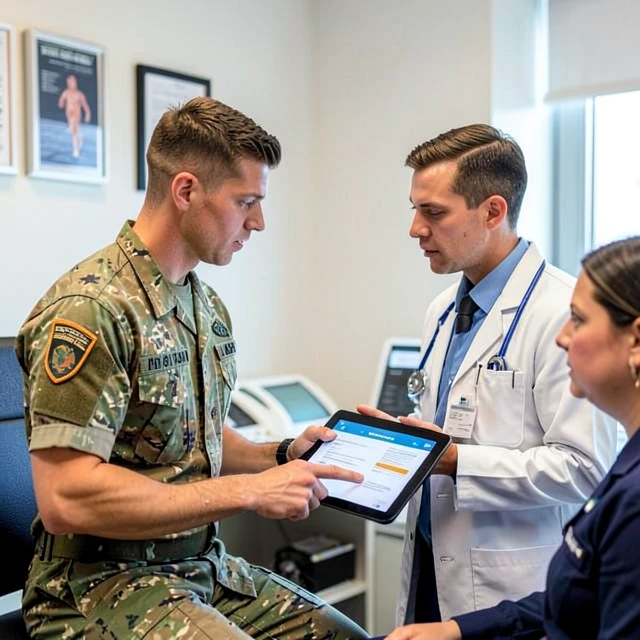
A fertility preservation consultation typically includes testing current fertility levels, discussing risks from deployment or injuries, and outlining storage options. Many find this empowering because it puts some control back into their hands during unpredictable military life.
While TRICARE coverage has limits for elective procedures, certain programs and military treatment facilities offer discounted or specialized services. Consulting early helps families understand available benefits and private options.
Actionable Insights for Couples
Building emotional resilience supports better family planning decisions. Focus on these areas:
- Prioritize mental health – Use counseling services available through Military OneSource or base programs to process deployment stress.
- Stay informed – Learn about how deployment affects fertility and explore preservation options early.
- Build a support network – Connect with unit family readiness groups and other military couples.
- Plan flexibly – Set short-term and long-term goals that account for possible deployments.
Many couples also benefit from preconception health checks. Maintaining good physical and emotional health improves chances of a healthy pregnancy when the time feels right.
Deployment can strain relationships, but many emerge stronger with intentional effort. Shared goals around family often become a source of motivation during tough times.
Summary
The emotional impact of deployment on family planning is real and significant, but families can navigate it with preparation, open dialogue, and access to resources. Whether through fertility preservation discussions or emotional support, taking proactive steps helps couples build the future they envision despite military demands.
Every family's journey looks different. Honor your feelings, seek help when needed, and remember that planning a family while serving is a deeply personal yet shared experience among many in the armed forces.