The IVF Journey: Step-by-Step: Your Complete Guide to In Vitro Fertilization
April 4, 2026, 6:37 a.m.
The IVF Journey: Step-by-Step offers hope to couples and individuals facing infertility. This guide breaks down the entire process into simple, easy-to-follow stages so you know exactly what to expect. From initial tests to the pregnancy test, you gain the knowledge and confidence needed for your fertility path.

Preparing for The IVF Journey: Step-by-Step
Every IVF story starts with a thorough evaluation. You meet with a fertility specialist who reviews your medical history, runs blood tests, performs ultrasounds, and analyzes semen samples. These steps help create a plan tailored to your needs. Many people feel relieved once they have clear answers and a roadmap ahead.
You also discuss lifestyle changes. Eating nutritious foods, staying active, and managing stress make a real difference. Support from family or counselors helps you stay strong throughout the process.
Step 1: Baseline Testing and Cycle Planning
Doctors schedule your first cycle to align with your menstrual period. You may take birth control pills briefly to regulate timing. Baseline ultrasounds check your ovaries and uterus. This preparation sets the stage for success and helps your team monitor progress closely.
Understanding Ovarian Stimulation: What to Expect
Ovarian stimulation forms the heart of The IVF Journey: Step-by-Step. Doctors prescribe daily hormone injections to encourage your ovaries to produce multiple mature eggs instead of just one. The ovarian stimulation cycle length usually lasts 8 to 14 days, depending on how your body responds.
You visit the clinic every few days for blood tests and ultrasounds. These quick appointments track follicle growth and hormone levels. Many patients describe mild bloating or tenderness, but they also feel excited knowing more eggs mean better chances. Simple tips include drinking plenty of water, resting when needed, and avoiding heavy exercise.
Learn more about the full IVF process from Mayo Clinic's detailed overview of in vitro fertilization. The team adjusts medications if needed so you get the best possible results.
The Trigger Shot and Egg Retrieval
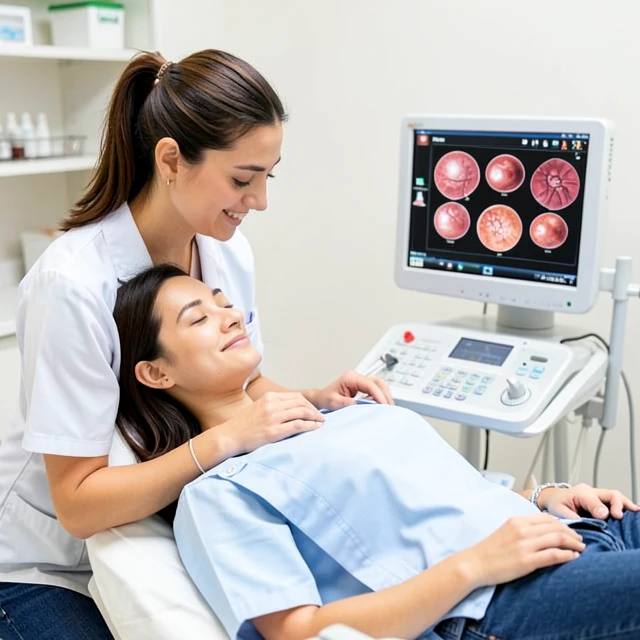
Once follicles reach the right size, you receive a trigger shot to finalize egg maturation. Egg retrieval happens 34 to 36 hours later under light sedation. A thin needle gently collects the eggs through the vaginal wall. Most people rest for a few hours afterward and feel ready to go home the same day.
You may experience light cramping, but over-the-counter pain relief usually helps. Your partner or support person stays with you, and the lab immediately checks the eggs.
Fertilization and Embryo Development
In the lab, specialists combine eggs with sperm. Some cases use intracytoplasmic sperm injection for extra precision. Embryos grow for three to five days while experts monitor their quality. You receive daily updates so you stay connected to every milestone.
Explore the five basic steps of IVF in this MedlinePlus guide from the National Library of Medicine. Knowing the science behind each stage helps you feel more in control.
Embryo Transfer and the Two-Week Wait
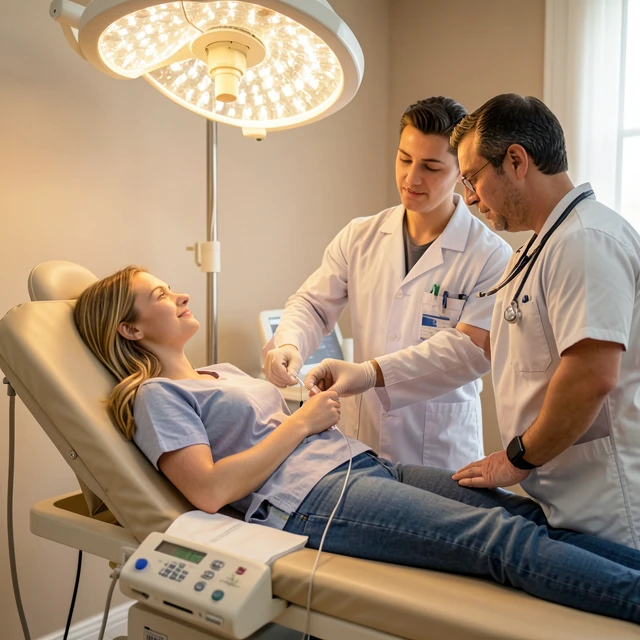
Doctors place one or more healthy embryos into your uterus using a thin catheter. The quick, painless procedure feels similar to a Pap smear. You rest briefly then resume light activities.
The next two weeks bring excitement mixed with nervousness. Light spotting or mild cramps can occur, but many people continue daily routines. Blood tests later confirm pregnancy.
Comparing Fertility Treatments: A Guide for Patients
IVF stands out among options, but understanding differences helps you choose wisely. Intrauterine insemination (IUI) is less invasive yet often needs several tries. IVF offers higher success rates, especially for certain conditions like blocked tubes or advanced age.
Here is a quick comparison:
| Treatment | Invasiveness | Typical Success Rate (under 35) | Best For |
|---|---|---|---|
| IUI | Low | 10-20% per cycle | Mild issues, unexplained infertility |
| IVF | Moderate | 40-50% per cycle | Complex cases, tubal factors, genetic screening |
Many patients move to IVF after IUI cycles prove unsuccessful. Your doctor explains which path fits your situation best.
Review detailed IVF techniques and outcomes in this NIH StatPearls resource. Real stories show how personalized choices lead to better results.
Handling Challenges and Staying Positive
Side effects like mood swings or bloating happen, but open communication with your care team makes them manageable. Support groups and mindfulness practices help many couples cope. Remember, each step brings you closer to your goal. Small wins, like seeing growing follicles, keep hope alive.
What Affects Success and Next Steps
Age, embryo quality, and lifestyle influence outcomes. Clinics track national data so you understand realistic expectations. If the first cycle does not work, your team reviews results and adjusts the plan. Many achieve success on the second or third try.
The IVF Journey: Step-by-Step ends with clear answers and next steps, whether pregnancy or further options. You leave with knowledge, support, and hope for building your family. Every person who completes this path gains strength and clarity that lasts far beyond treatment.