How Stress Impacts Your Body and What to Do
April 7, 2026, 6:34 a.m.
Stress is something we all face, but when it becomes constant, it can quietly change how your body works. In this article, we explore How Stress Impacts Your Body and What to Do about it. You will learn the science behind stress responses, its effects on daily life and fertility, and simple, effective ways to manage it. Whether you feel overwhelmed at work or worry about starting a family, these insights offer real help.
A Quick Overview of Stress and Your Body
Stress triggers your body's fight-or-flight response. Short bursts can help you meet deadlines or avoid danger. But ongoing stress keeps hormones like cortisol and adrenaline high. Over time, this wears down systems from your heart to your hormones. The good news? You can take steps to calm your body and protect your health, including fertility.

I remember a time when tight deadlines left me exhausted and irritable. My sleep suffered, and I caught every cold going around. That personal experience taught me how deeply stress touches every part of life. Many readers share similar stories. Let's break down what happens inside your body.
How Stress Affects Different Body Systems
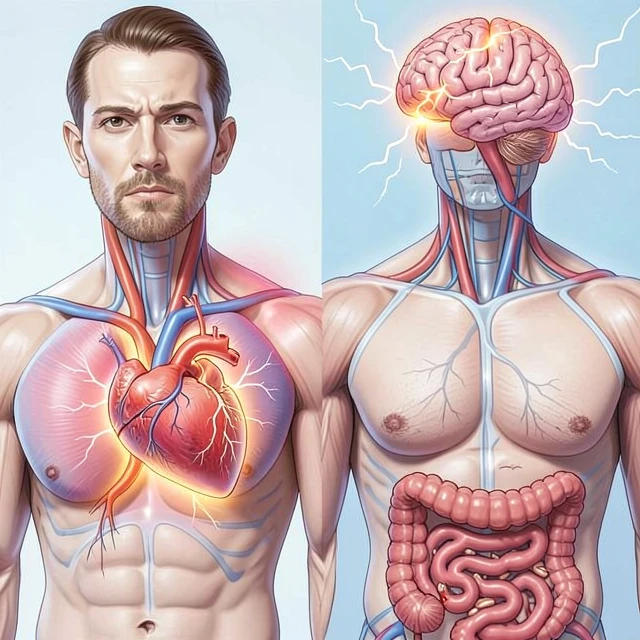
When stress hits, your brain signals the release of hormones that speed up your heart rate and sharpen your senses. This response works well for short threats. Chronic stress, however, keeps these systems on high alert.
Cardiovascular system: Persistent stress raises blood pressure and heart rate. It can damage blood vessels and increase the risk of heart disease. Studies from Harvard Health explain that repeated surges of epinephrine harm arteries over time.[1]
Immune system: Short stress boosts immunity for quick action, but long-term stress weakens it. You become more prone to infections because inflammation rises while your body's ability to fight new threats drops. Ohio State research highlights how chronic stress suppresses adaptive immunity.[4]
Digestive system: Stress slows digestion or causes cramps and changes in appetite. Many people notice stomach issues during tough periods.
Muscles and sleep: Tense shoulders or jaw pain are common. Poor sleep follows, creating a cycle that leaves you drained.
These changes explain why stressed individuals often feel tired, foggy, or moody. Simple awareness helps you notice early signs and act before problems grow.
The Link Between Stress and Fertility
Stress does more than affect your mood—it can influence reproductive health. High cortisol levels disrupt hormone balance needed for regular cycles and ovulation in women. In men, it may lower testosterone and sperm quality.
Many couples trying to conceive notice that worry adds pressure. This creates a challenging loop. Research shows that reducing stress often improves outcomes. One area gaining attention is Stress and Fertility: How Mindfulness Can Help. Mindfulness practices calm the nervous system and may support better hormone regulation.
From my perspective, couples who add relaxation techniques often report feeling more in control. It does not replace medical advice, but it complements other efforts. Studies, including those published in PMC, indicate mindfulness lowers anxiety and depression in people facing fertility challenges.[15]
Mindfulness Techniques to Reduce Stress and Improve Fertility
You do not need hours to practice mindfulness. Start small and build consistency.
Here are practical techniques:
- Deep breathing: Sit quietly and inhale for four counts, hold for four, exhale for four. Do this for five minutes daily to lower cortisol.
- Body scan meditation: Lie down and mentally check each body part from toes to head. Notice tension and let it release.
- Mindful walking: Focus on each step and your breath during a short walk.
Mindfulness Techniques to Reduce Stress and Improve Fertility often include guided sessions or apps. Regular practice helps break the stress-fertility cycle by promoting relaxation and emotional balance.
One reader shared how ten minutes of morning breathing changed her energy levels and outlook while trying to conceive. Small habits create big shifts.

Top Foods to Boost Your Fertility Naturally
What you eat plays a key role in managing stress and supporting reproductive health. Nutrient-rich foods help balance hormones and fight inflammation caused by stress.
Top Foods to Boost Your Fertility Naturally include:
- Leafy greens like spinach for folate, which supports cell growth and hormone balance.
- Fatty fish such as salmon for omega-3s that reduce inflammation.
- Nuts and seeds, especially walnuts, for healthy fats and antioxidants.
- Beans and lentils for plant protein and fiber.
- Citrus fruits and berries for vitamin C and antioxidants.
- Full-fat dairy in moderation, as some studies link it to better ovulation.
Harvard researchers note that diets rich in these nutrients, similar to a Mediterranean pattern, connect to improved fertility.[31] Combine these with stress management for better results.
Try adding a handful of walnuts or a salmon salad a few times weekly. Small, tasty changes feel sustainable.
Lifestyle Changes to Boost Fertility Naturally
Beyond food and mindfulness, daily habits matter.
Lifestyle Changes to Boost Fertility Naturally focus on balance:
- Maintain a healthy weight through moderate activity like walking or yoga.
- Prioritize sleep—aim for 7-9 hours to regulate hormones.
- Limit alcohol and avoid smoking.
- Stay hydrated and manage caffeine.
- Build social support and set realistic expectations.
Exercise helps lower stress hormones while improving blood flow. Avoid extreme workouts that might add strain.
In my experience, people who combine these changes report higher energy and a greater sense of hope. Track small wins to stay motivated.
Use this simple table for quick reference:
| Change | Benefit |
|---|---|
| Daily mindfulness | Lowers cortisol, supports hormone balance |
| Omega-3 rich foods | Reduces inflammation |
| Moderate exercise | Improves mood and circulation |
| Consistent sleep | Regulates reproductive hormones |
Taking Action Today
Understanding How Stress Impacts Your Body and What to Do empowers you to make positive changes. Start with one breathing exercise or add a fertility-friendly food to your plate. Listen to your body and seek professional support when needed—doctors, therapists, or fertility specialists can guide you further.
Remember, progress takes time. Be kind to yourself along the way. Many people improve their well-being and fertility prospects by addressing stress thoughtfully.
In summary, chronic stress affects your heart, immune system, digestion, and reproductive health. Yet practical tools like mindfulness, nourishing foods, and healthy habits offer real relief. By taking small steps, you support both your body and peace of mind.