Ovarian Hyperstimulation Syndrome Explained: What Every Woman Facing Infertility Needs to Know
April 9, 2026, 6:34 a.m.
Ovarian Hyperstimulation Syndrome Explained
Ovarian hyperstimulation syndrome, often called OHSS, happens when the ovaries react too strongly to fertility drugs used during infertility treatments. It causes swelling and fluid buildup that can range from mild discomfort to serious issues. If you are using ovulation inducers or other fertility drugs, knowing about OHSS helps you stay informed and prepared.
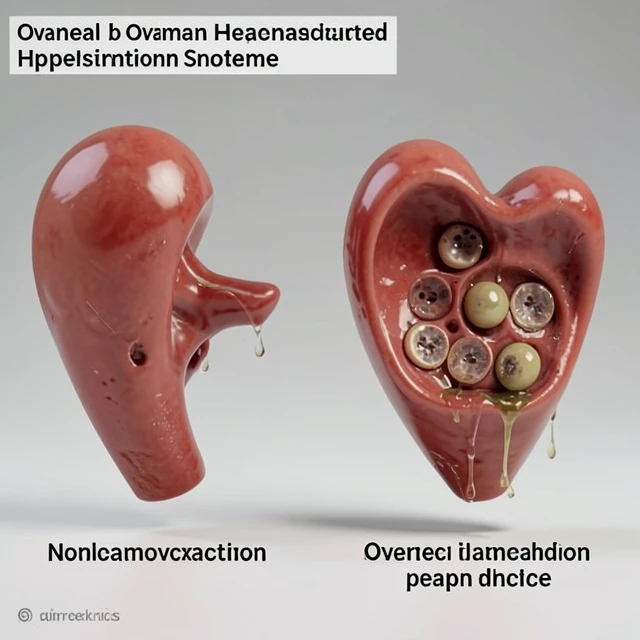
Many women dream of starting a family, but infertility can make the path challenging. Treatments often involve ovulation inducers and fertility drugs to help eggs develop. These medications work well for most, yet they sometimes lead to ovarian hyperstimulation syndrome. Understanding this condition turns worry into confidence.
OHSS occurs most often with injectable fertility drugs rather than oral ones. The body produces too many eggs at once, and the ovaries swell dramatically. Fluid leaks from blood vessels around the ovaries into the abdomen. Doctors see this in about 1 to 5 percent of IVF cycles, though severe cases are much rarer.
What triggers ovarian hyperstimulation syndrome? The main culprit is human chorionic gonadotropin (hCG), the hormone in the “trigger shot” that matures eggs. High levels of this hormone after fertility treatments overstimulate the ovaries. Women with polycystic ovary syndrome (PCOS), younger age, or many developing follicles face higher risks.
Causes linked to fertility treatments
Ovulation inducers like clomiphene or letrozole rarely cause severe OHSS, but injectable gonadotropins raise the odds. These fertility drugs stimulate multiple follicles instead of just one. When combined with hCG, the response can spiral. Long-term use of ovulation inducers also carries side effects of long-term use of ovulation inducers, such as hormonal shifts that doctors monitor closely.
From my work supporting women through infertility, I have heard stories of unexpected bloating after a treatment cycle. One patient described feeling like she had eaten too much at Thanksgiving—yet it was her ovaries reacting. These real experiences show why early awareness matters.
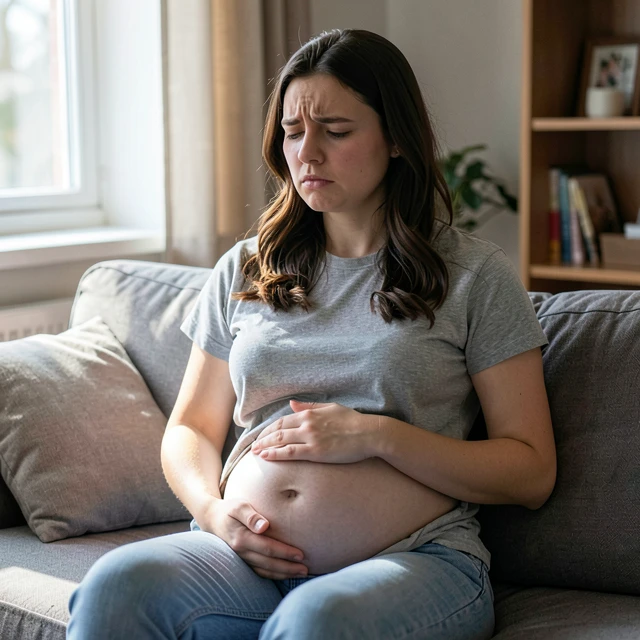
Recognizing the symptoms
Symptoms usually appear days after the trigger shot. Doctors group them by severity so you can act quickly.
| Severity | Common Signs |
|---|---|
| Mild | Bloating, mild pelvic pain, nausea, slight weight gain (2–3 pounds) |
| Moderate | Worse bloating, noticeable weight gain, vomiting, diarrhea |
| Severe | Severe pain, rapid weight gain (5+ pounds in days), shortness of breath, reduced urination, blood clots risk |
Mild cases often resolve on their own within a week. Moderate ones need rest and fluids. Severe OHSS demands hospital care because fluid can press on lungs or kidneys. Watch for sudden changes and call your clinic right away.
Diagnosis starts with your symptoms and a quick ultrasound. Blood tests check hormone levels and kidney function. Your fertility team tracks follicle count and estrogen during treatment to spot trouble early.
Treatment that works
Most women manage OHSS at home. Doctors recommend rest, drinking electrolyte fluids, and avoiding strenuous activity. Over-the-counter pain relief helps mild discomfort. For moderate cases, they may drain excess fluid with a simple procedure.
Severe cases require hospitalization for IV fluids, blood thinners to prevent clots, and careful monitoring. The good news? OHSS is temporary. Symptoms fade as hormone levels drop, usually within 7–14 days.
Prevention beats treatment every time. Modern fertility clinics use several smart strategies. They may lower drug doses, switch to a GnRH agonist trigger instead of hCG, or freeze all embryos and skip fresh transfer. Close ultrasound monitoring during stimulation cycles catches rising risks early.
If you have PCOS or had OHSS before, tell your doctor. They can tailor your protocol with ovulation inducers carefully. Some clinics now offer in vitro maturation (IVM) to avoid heavy stimulation altogether.
Side effects of long-term use of ovulation inducers deserve attention too. Extended cycles may raise concerns about ovarian cancer or bone density, though large studies show the overall risk stays low when treatments stay short and monitored. Always discuss your full history with your specialist.
Living with infertility already brings stress. Adding ovarian hyperstimulation syndrome can feel overwhelming. Yet most women complete treatment successfully and go on to healthy pregnancies. Support groups and open talks with your care team make a real difference.
Wrapping it up
Ovarian Hyperstimulation Syndrome Explained shows that while fertility drugs and ovulation inducers carry risks, knowledge and modern protocols keep most women safe. Stay in close contact with your doctor, watch your body, and celebrate every step toward building your family. With the right information, you can face infertility challenges confidently.