Stress and Infertility: Breaking the Cycle
May 7, 2026, 6:33 a.m.
Struggling to conceive can feel overwhelming, and the added pressure of stress often makes things worse. In this comprehensive guide on Stress and Infertility: Breaking the Cycle, we explore the real connections between mental health and reproductive challenges while sharing practical, evidence-based strategies to help you move forward with hope and confidence.

Many couples face fertility difficulties, and stress often plays a significant role. Research shows that infertility can cause anxiety and depression, while high stress levels may reduce the chances of conception. Breaking this cycle starts with understanding the science and taking positive steps.
Stress triggers the release of hormones like cortisol, which can disrupt the delicate balance needed for reproduction. For women, this might affect ovulation. For men, it can impact sperm quality. The good news? You have more control than you might think.
Understanding the Stress-Infertility Connection
The relationship works both ways. Infertility often leads to emotional distress, creating a feedback loop. Studies indicate women dealing with infertility report anxiety and depression levels similar to those with serious illnesses like cancer or heart disease.
On the flip side, chronic stress can make conception harder. It affects hormone signaling between the brain and reproductive organs. This interference can delay or prevent ovulation in women and lower sperm production in men.
I remember speaking with a friend who tried for years to start a family. The constant worry affected his sleep, diet, and relationship. Once he addressed the stress through simple lifestyle changes, things began to improve. Personal stories like this highlight why a holistic view matters.
How Stress Specifically Affects Male Infertility
Male infertility contributes to about half of all conception difficulties. Stress plays a key role here by lowering testosterone levels and increasing oxidative stress, which damages sperm.
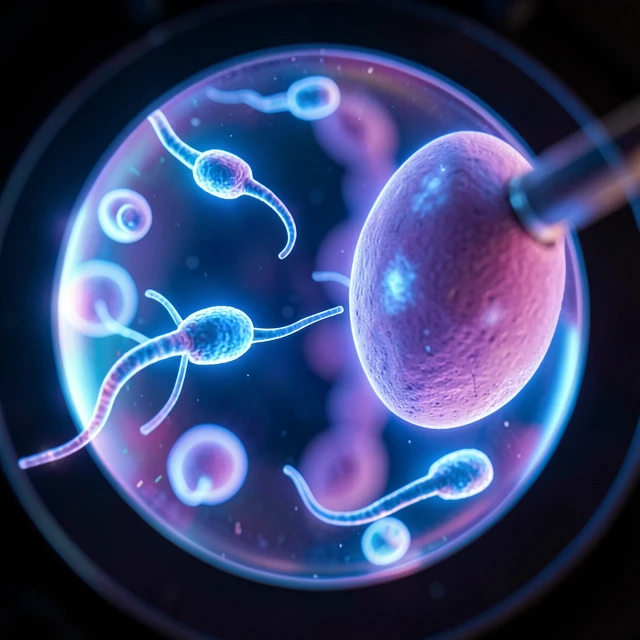
Men experiencing high stress often show reduced sperm concentration, poorer motility (how well sperm swim), and more abnormal shapes. These changes directly impact fertility.
Holistic Approaches to Male Infertility focus on the whole person rather than just medical treatments. This includes managing stress, improving diet, exercising regularly, and getting enough sleep.
The Important Link: Sperm Quality and Age Correlation
Sperm quality naturally declines with age. Studies show that as men get older, semen volume, sperm motility, and overall sperm quality decrease. This sperm quality and age correlation becomes more noticeable after 40.
While women have a well-known biological clock, men experience gradual changes too. Advanced paternal age links to lower conception rates and potential health risks for children. However, lifestyle factors can help slow this decline.
Combining age awareness with stress management creates a powerful strategy. Even if you're older, focusing on sperm quality through healthy habits makes a real difference.

Practical Ways to Break the Cycle
Here are actionable steps you can start today:
-
Practice daily stress reduction: Try meditation, deep breathing, or short walks in nature. Even 10 minutes helps lower cortisol levels.
-
Exercise regularly but moderately: Aim for 30 minutes most days. Activities like swimming or cycling support both mental health and sperm quality.
-
Eat fertility-friendly foods: Focus on antioxidants from fruits, vegetables, nuts, and seeds. Omega-3s from fish also help reduce inflammation.
-
Prioritize sleep: Get 7-9 hours nightly. Poor sleep worsens stress and affects hormone balance.
-
Limit alcohol and quit smoking: Both harm sperm quality significantly.
Holistic Approaches to Male Infertility
Beyond basics, consider these proven strategies:
Many men benefit from supplements like CoQ10, zinc, and L-carnitine, which studies link to better sperm parameters. Always consult a doctor first.
Acupuncture and mindfulness-based programs show promise in reducing stress and improving outcomes. Support groups help couples feel less alone.
Track progress with semen analysis before and after lifestyle changes. Many see improvements in sperm quality within 2-3 months since sperm production takes about 74 days.
Supporting Your Partner and Relationship
Infertility stress affects both partners. Open communication prevents resentment. Schedule fun dates unrelated to trying to conceive. Consider counseling specialized in fertility issues.
Remember, you're a team. Sharing the emotional load strengthens your bond and may even boost conception chances.
When to Seek Professional Help
If you've been trying for over a year (or six months if over 35), see a specialist. Tests for both partners identify specific issues. Treatments range from lifestyle coaching to advanced options like IVF.
Don't ignore mental health. Therapists trained in infertility provide tools that improve both emotional well-being and physical outcomes.
Summary: Hope and Action
Stress and Infertility: Breaking the Cycle is possible when you address both mind and body. By managing stress, supporting sperm quality regardless of age, and embracing holistic approaches to male infertility, many couples achieve their dreams of parenthood.
Start small today. Every positive change counts. With patience, knowledge, and support, you can create a healthier path forward.