The Complete Guide to Fertility Preservation Options
May 5, 2026, 6:38 a.m.
Fertility preservation gives people more control over when and how they build their families. Whether you face medical treatments, career goals, or personal timing, options like egg freezing help protect your chances of having biological children later. This comprehensive guide covers everything from methods to success rates and real-life experiences.

Fertility preservation refers to medical techniques that help individuals save their eggs, sperm, or reproductive tissue for future use. Many turn to it before cancer treatments, gender-affirming care, or simply because they want to delay parenthood. Advances in technology now make these options more reliable and accessible than ever before.
The most popular choice today is egg freezing, also known as oocyte cryopreservation. In this process, doctors stimulate the ovaries to produce multiple eggs, retrieve them, and freeze them at a very low temperature using vitrification. This flash-freezing method preserves egg quality remarkably well.
Who should consider fertility preservation? Anyone worried about future fertility. This includes cancer patients facing chemotherapy, women with endometriosis, those with family histories of early menopause, and people who simply want more time before starting a family. Men can freeze sperm, which is simpler and highly effective.
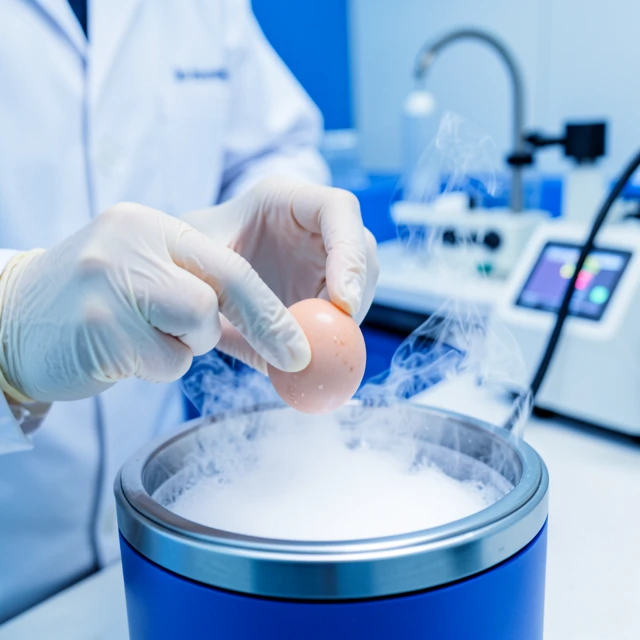
The egg freezing process usually takes about two weeks. You start with hormone injections to stimulate egg production, followed by monitoring ultrasounds and blood tests. The retrieval happens under light sedation and takes around 15-20 minutes. Most people return to normal activities within a day or two.
Success rates of egg freezing procedures depend heavily on age at the time of freezing and the number of eggs stored. Younger eggs freeze and thaw better. According to data from leading clinics, women who freeze eggs before age 38 and store 20 or more mature eggs can achieve live birth rates around 70% or higher when they later use them.
Fertility preservation success rates continue to improve with better techniques. Survival rates after thawing often exceed 85-90% for well-frozen eggs. Not every thawed egg will fertilize or become a healthy embryo, but having more eggs increases your overall chances significantly.
Let's look at typical numbers by age group:
- Under 35: Freezing 15-20 eggs often gives 70-80% chance of at least one live birth
- 35-38: May need 20-25 eggs for similar odds
- Over 38: Success drops, but still possible with higher numbers of eggs
These are general estimates. Individual results vary based on ovarian reserve and overall health.
Embryo freezing is another strong option, especially for those in a relationship. Eggs are fertilized with sperm before freezing. Embryos tend to survive thawing even better than unfertilized eggs, sometimes offering slightly higher success rates.

Personal Stories of Egg Freezing Success inspire many. One woman froze 27 eggs at 36 and later gave birth to a healthy daughter on her first embryo transfer attempt. Another froze eggs at 39, used them at 46, and welcomed a baby girl, calling it the best decision of her life.
Sarah, a marketing executive, froze her eggs at 34 before starting cancer treatment. Years later, she thawed them, created embryos, and now has two young children. She shares that the process gave her hope during tough medical times and peace of mind afterward.
For men, sperm freezing is straightforward. A sample is collected and frozen. Success rates for using frozen sperm in IVF or IUI are very good, often comparable to fresh samples. Testicular tissue preservation helps younger boys facing cancer treatment.
Ovarian tissue freezing offers hope for those who cannot delay treatment or have not yet started puberty. Doctors remove and freeze a small piece of ovarian tissue containing immature eggs. Later, they can transplant it back to restore natural hormone function and fertility.
Cost is a big factor for many. Egg freezing cycles often range from $6,000 to $15,000 plus medication and storage fees. Some employers now offer fertility benefits, and certain states have insurance mandates. Always check financing options and grants for medical cases.
Preparing for fertility preservation involves lifestyle steps that support egg quality. Eat a balanced diet rich in antioxidants, maintain a healthy weight, avoid smoking and excessive alcohol, and manage stress. Your doctor may recommend supplements like CoQ10.
After freezing, regular storage fees apply, usually a few hundred dollars per year. You can keep eggs or embryos stored for many years with no known time limit on viability.
When ready to use preserved eggs, the process involves thawing, fertilizing with sperm via ICSI, growing embryos, and transferring them to the uterus. Many people use gestational carriers if needed, but most carry their own pregnancies successfully.
Risks are low but include ovarian hyperstimulation syndrome from medications and minor surgical risks during retrieval. Emotional aspects matter too. Working with counselors experienced in fertility journeys helps many people process the experience.
Fertility preservation opens doors. It lets you focus on health, career, or finding the right partner without rushing biological timelines. Technology now gives real hope where options were once limited.
In summary, The Complete Guide to Fertility Preservation Options shows that proactive steps today can protect your family-building dreams for tomorrow. Success rates of egg freezing procedures continue rising, and personal stories prove it works for many. Consult a reproductive specialist to create a plan tailored to your unique situation.