The Miscarriage Association: Support, Healing, and Hope After Loss
May 3, 2026, 6:32 a.m.
Miscarriage affects about 1 in 4 pregnancies. The Miscarriage Association offers free support to those who experience this loss. They provide helplines, resources, and community for grieving parents. This article dives into their work, the emotional journey after miscarriage, and paths forward like fertility treatments after miscarriage.
A Quick Overview
The Miscarriage Association, based in the UK, helps people navigate the pain of baby loss. Founded in 1982, it reaches thousands yearly through counseling and online tools. Whether you're a first-time parent or facing repeat losses, they guide you toward healing.

What is The Miscarriage Association?
The Miscarriage Association stands as a beacon for those shattered by pregnancy loss. They offer a confidential helpline (0300 123 1377 in the UK) staffed by trained listeners. Volunteers share their own stories, creating a space where you feel heard.
Their website (miscarriageassociation.org.uk) bursts with free downloads: leaflets on coping with grief, talking to children about loss, and medical facts. They also run online forums where parents connect worldwide.
One parent shared: 'After my third miscarriage, I felt utterly alone. Calling the helpline changed everything. The volunteer understood my anger and guilt without judgment.' Real stories like this power their mission.
The Emotional Journey After Miscarriage
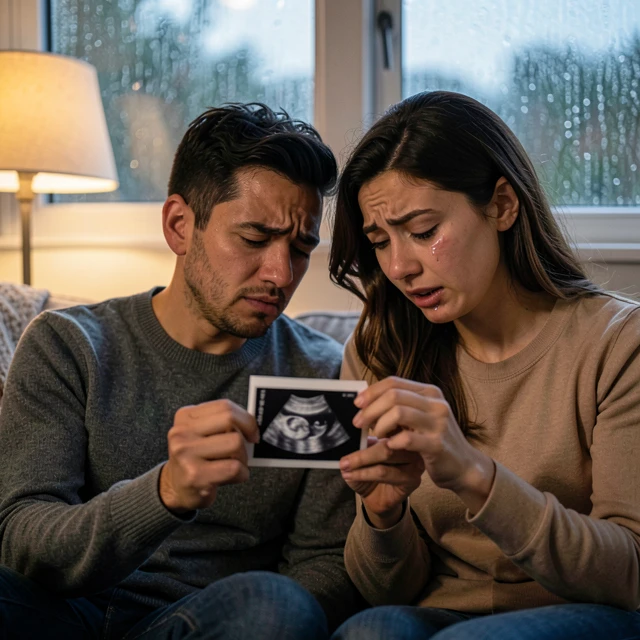
Grief hits differently for everyone. The Emotional Journey After Miscarriage often starts with shock. Your body changes, but the baby is gone. Numbness gives way to waves of sadness, anger, or even relief if the pregnancy was unplanned.
Many feel guilt: 'Did I cause this?' Studies from the NHS show 20-30% of miscarriages happen due to chromosomal issues, not parental fault. Yet, emotions don't listen to facts.
Next comes isolation. Friends avoid the topic; social media flaunts baby bumps. The Miscarriage Association combats this with peer support groups. In-person meets happen across the UK, fostering bonds over shared pain.
Healing involves rituals: lighting a candle, planting a tree, or journaling. Their resources suggest naming your baby, honoring the loss to move forward.
| Stages of The Emotional Journey After Miscarriage |
|---|
| Stage |
| Shock |
| Pain |
| Acceptance |
| Growth |
Fertility Treatments After Miscarriage
Many wonder about trying again. Good news: most women conceive successfully after one miscarriage. The Miscarriage Association links to fertility experts and shares success stories.
Fertility treatments after miscarriage vary. Start with your GP for preconception checks: blood tests, folic acid advice. If issues persist, options include:
- Clomid: Pills to boost ovulation.
- IUI: Sperm injected into uterus.
- IVF: Eggs fertilized in lab.
Timing matters. Wait one menstrual cycle, but emotionally, go at your pace. A Tommy's study (tommys.org) notes 85% of couples succeed naturally within a year.
They address fears: 'Will it happen again?' Stats show risk drops after one loss.
Understanding Male Infertility
Miscarriage isn't just a woman's issue. Male infertility contributes to 30-50% of cases, per NICE guidelines (nice.org.uk). Low sperm count, poor motility, or DNA damage can play a role.
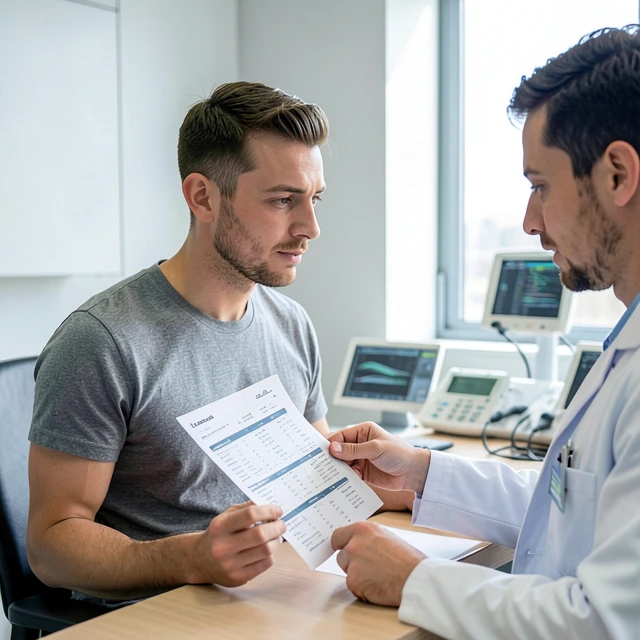
Men often grieve silently. The Miscarriage Association urges partners to seek tests: semen analysis costs £100-200 privately. Lifestyle fixes help: quit smoking, eat antioxidants like nuts and berries, maintain healthy weight.
- Tests for men: Hormone levels, genetic screening.
- Treatments: Medications, surgery for blockages, or ICSI (sperm injection into egg during IVF).
One dad said, 'I blamed myself until tests showed low sperm quality. Treatment gave us hope.' Fertility treatments now include male-focused options, making success rates climb.
Personal Insights: Real Stories of Healing
Sarah, 32, lost twins at 12 weeks. 'The Miscarriage Association's pack arrived like a hug. Their book on recurrent loss eased my panic.' She now runs a local support group.
Tom, facing male infertility, shared: 'After two miscarriages, tests revealed varicocele. Surgery and fertility treatments led to our rainbow baby.'
These tales show resilience. The Association's 'Say It' campaign fights silence around loss, partnering with workplaces for bereavement leave.
Actionable Steps to Take Today
- Visit miscarriageassociation.org.uk for free resources.
- Call the helpline for instant chat.
- Join their Facebook group for daily support.
- Schedule a preconception check if planning fertility treatments after miscarriage.
- Encourage partners to explore male infertility screening.
For professionals, they train midwives via courses. Evidence from their 2023 report shows supported grievers return to work 40% faster.
Wrapping Up: Hope Awaits
The Miscarriage Association turns heartbreak into hope. Through The Emotional Journey After Miscarriage, fertility treatments after miscarriage, and addressing male infertility, they empower families. You're not alone—reach out today. Healing starts with one call.