Understanding IVF Success Rates by Age: Latest Statistics
April 30, 2026, 6:27 a.m.
Understanding IVF success rates by age is one of the most important steps for anyone considering fertility treatment. The latest statistics show clear patterns: success is highest under 35 and declines gradually with age when using your own eggs. Yet many people achieve healthy pregnancies at every stage with the right support and information.
In this comprehensive guide, we break down the most recent data from major reporting bodies, explain the main factors affecting IVF success rates, and share practical lifestyle tips to boost IVF success. Whether you are just starting to explore options or already working with a fertility clinic, these insights can help you set realistic expectations and take positive action.

IVF, or in vitro fertilization, helps many people build their families when natural conception is challenging. Success depends on multiple elements, but age remains the strongest single predictor when using a woman's own eggs. Clinics report live birth rates per cycle or per embryo transfer, and these numbers tell an honest story about biology and technology working together.
Latest IVF Success Rates by Age
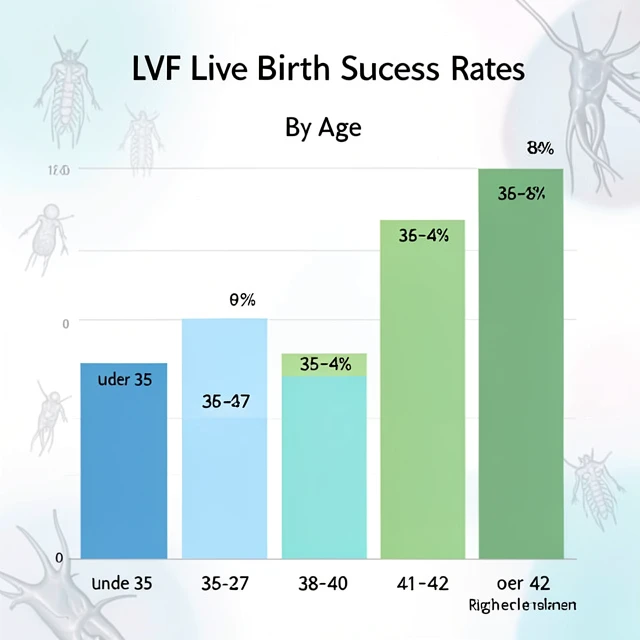
Recent data from 2025 and 2026 sources, including reports aligned with SART and CDC trends, reveal the following approximate live birth rates per IVF cycle using own eggs:
- Under 35 years: 45-55% or higher per embryo transfer in many clinics. This is the peak window where egg quality and quantity are usually optimal.
- 35-37 years: 32-42%. A gradual decline begins, but outcomes remain strong for most.
- 38-40 years: 20-30%. More cycles may be needed, yet many succeed.
- 41-42 years: 10-15%. Success drops noticeably due to higher rates of chromosomal issues.
- Over 42 years: Often under 10%, sometimes as low as 3-8% with own eggs. Donor eggs can raise rates dramatically to around 50% across ages.
These figures represent averages. Individual results vary based on overall health, ovarian reserve, and the specific fertility clinic's expertise. Cumulative success after multiple cycles can reach 70-90% for younger patients.
One hopeful note: donor egg cycles maintain high success rates near 50-55% regardless of the recipient's age. This option opens doors for many who face age-related challenges.
Factors Affecting IVF Success Rates
Age is the biggest factor, but several others play important roles. Understanding these helps you work effectively with your fertility clinic.
Key factors include: - Egg and sperm quality: Older eggs have higher chances of chromosomal abnormalities. - Ovarian reserve: Measured by tests like AMH and antral follicle count. - Uterine health: Conditions like endometriosis or fibroids can affect implantation. - Lifestyle elements: Weight, smoking, alcohol, diet, and stress levels. - Embryo quality and genetic testing: Preimplantation genetic testing (PGT) can improve selection. - Previous pregnancies or IVF cycles: A history of success often predicts better outcomes. - Clinic experience and lab standards: Success varies between fertility clinics.
Sperm quality matters too. Male factors such as count, motility, and DNA integrity influence embryo development. Many clinics now emphasize both partners' health from the start.

I have spoken with many patients who felt overwhelmed by numbers at first. One woman in her late 30s shared that focusing on controllable factors, like improving her nutrition and reducing stress, helped her feel more empowered during treatment. Her story is common—knowledge plus action often leads to better emotional and physical outcomes.
Lifestyle Tips to Boost IVF Success
While you cannot change your age, you can influence many other elements. These lifestyle tips to boost IVF success are supported by research and recommended by fertility experts:
- Eat a nutrient-rich diet: Follow a Mediterranean-style approach with plenty of vegetables, fruits, whole grains, lean proteins, and healthy fats like omega-3s. Studies suggest this pattern may improve pregnancy chances.
- Maintain a healthy weight: Both underweight and overweight conditions can affect hormone balance and outcomes. Aim for a BMI in the normal range.
- Exercise moderately: Walking, swimming, or gentle yoga supports circulation without over-stressing the body during stimulation.
- Quit smoking and limit alcohol: Smoking significantly lowers implantation rates. Even moderate alcohol can impact results.
- Reduce caffeine and manage stress: Get 7-9 hours of quality sleep and practice relaxation techniques such as meditation or counseling.
- Take prenatal vitamins: Folic acid, vitamin D, and other key nutrients support reproductive health.
- Support your partner: Men benefit from similar healthy habits to optimize sperm quality.
Small consistent changes made in the months before starting IVF can make a meaningful difference. Many patients report feeling stronger and more hopeful when they actively participate in their preparation.
Choosing the Right Fertility Clinic
Not all fertility clinics report identical results. Look for centers that publish transparent data, have experienced embryologists, and offer personalized care. Ask about their success rates for your specific age group and situation. A good clinic will discuss realistic expectations and provide emotional support throughout the journey.
Advanced techniques like frozen embryo transfers, time-lapse imaging, and genetic screening have improved outcomes in recent years. Discuss these options openly with your doctor.
Remember that success is measured not only by statistics but also by the care you receive and the decisions that feel right for your family.
Summary
Understanding IVF success rates by age helps you approach treatment with clear eyes and realistic hope. Latest statistics confirm that while age matters greatly, many factors affecting IVF success rates can be positively influenced. By combining quality medical care with smart lifestyle tips to boost IVF success, you put yourself in the best possible position.
Every journey is unique. Work closely with a trusted fertility clinic, ask questions, and focus on what you can control. Many people who once felt uncertain now hold their babies thanks to perseverance, science, and support.