Managing Stress and Anxiety During IVF: Practical Tips for Emotional Wellness
April 28, 2026, 6:34 a.m.
Going through IVF brings hope mixed with real emotional challenges. Many people face high levels of worry as they navigate appointments, injections, and waiting periods. Managing stress and anxiety during IVF is essential not just for your peace of mind but for your overall well-being. This guide shares practical steps, personal insights, and ways to handle the ups and downs, including common concerns like fertility drugs and weight gain.

Infertility affects millions, and the path to parenthood through assisted treatments often feels overwhelming. You are not alone in feeling anxious about outcomes, physical changes, or the financial and emotional investment. Studies show that anxiety and depression symptoms can rise during treatment, yet many people successfully learn tools to cope and even grow stronger through the process.
Understanding the Emotional Side of Infertility
When you deal with infertility, every step can trigger worry. The waiting, the uncertainty, and the physical demands of fertility drugs create a perfect storm for stress. Many describe it as an emotional rollercoaster—hopeful one day, drained the next.
Personal insight: One woman shared that the two-week wait after embryo transfer felt endless. She learned to break days into small, manageable parts instead of fixating on the big unknown. Small shifts like this help reclaim a sense of control.
Research from the Society for Assisted Reproductive Technology highlights that staying informed reduces anxiety. Knowledge about the process empowers you and lowers fear of the unknown. Read more about preparing for IVF emotional considerations.
Combating Side Effects of Fertility Medications
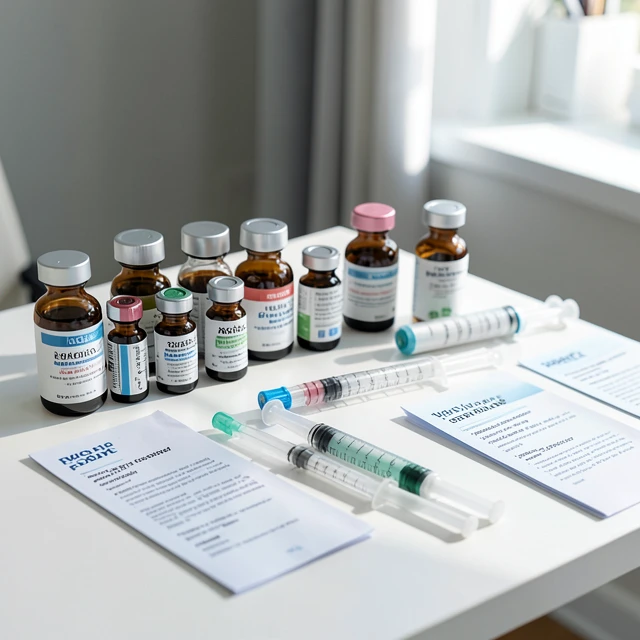
Fertility drugs play a key role in stimulating egg production, but they come with side effects that can add to your stress. Common issues include bloating, mood swings, fatigue, and headaches. Learning how to manage these helps you feel more in charge.
Many worry about fertility drugs and weight gain. The good news is that significant long-term weight gain from hormone therapy is often a myth. Temporary fluid retention or bloating during stimulation is common but usually resolves after treatment. One study found average weight changes were minimal, mostly due to fluid rather than fat.
To combat side effects:
- Stay hydrated to help reduce bloating.
- Eat balanced, nutrient-rich meals with plenty of fruits, vegetables, and lean proteins.
- Engage in light exercise like walking or prenatal yoga, after checking with your doctor.
- Get enough rest—fatigue makes everything feel harder.
- Track symptoms and report severe ones, such as rapid weight gain or intense pain, to your care team immediately.
Simple daily habits make a big difference. Many find that gentle movement releases endorphins and lifts mood, countering the emotional effects of medications.

Practical Strategies for Managing Stress and Anxiety During IVF
Here are proven approaches that many find helpful:
-
Practice mindfulness and breathing exercises — Even five minutes of deep breathing or guided meditation calms the nervous system.
-
Stay physically active — Light exercise approved by your doctor boosts mood without overexertion.
-
Build a support network — Talk with your partner, join a support group, or connect with others who understand infertility.
-
Set boundaries — Limit time on social media if pregnancy announcements trigger anxiety.
-
Focus on what you can control — Prepare one step at a time instead of worrying about every possible outcome.
-
Journal your thoughts — Writing helps process emotions and spot unhelpful thought patterns.
-
Consider professional help — Therapists experienced in infertility or cognitive behavioral techniques offer tailored tools.
Cognitive behavioral approaches help reframe negative thoughts like "This will never work" into more balanced views. Many clinics now offer integrated wellness support because they recognize the mind-body connection.
According to resources from reproductive medicine organizations, techniques such as progressive muscle relaxation and guided imagery effectively reduce anxiety levels during treatment.
Handling the Two-Week Wait and Other High-Stress Moments
The period after transfer often brings peak anxiety. Shift focus to self-care activities you enjoy. Some couples plan low-key outings or watch favorite shows to pass the time positively.
Remember that stress itself does not necessarily determine success rates, but caring for your mental health improves your quality of life regardless of outcome. This perspective frees many from unnecessary pressure.
When to Seek Extra Support
If anxiety interferes with sleep, daily activities, or your relationship, reach out for professional guidance. Reproductive counselors understand the unique challenges of infertility and provide specialized strategies.
Partners may experience stress differently—open conversations strengthen your bond and prevent isolation.
In summary, managing stress and anxiety during IVF involves preparation, self-compassion, practical coping tools, and support. While fertility drugs bring temporary side effects and concerns like weight changes, you can navigate them with knowledge and care. Prioritize your emotional health as part of the journey toward building your family.