Understanding IVF: Your Complete Guide
April 28, 2026, 6:34 a.m.
Starting or expanding your family can bring joy mixed with challenges. For many, Understanding IVF: Your Complete Guide opens the door to informed decisions. In vitro fertilization helps millions achieve pregnancy when natural conception proves difficult. This guide walks you through the process, numbers, costs, and choices ahead.
IVF combines eggs and sperm outside the body in a lab, then places a healthy embryo into the uterus. Doctors developed it decades ago, and today it offers real hope. You do not need to feel alone—many couples and individuals walk this path successfully.

The IVF journey typically lasts 4 to 6 weeks per cycle. It starts with ovarian stimulation using hormone medications to encourage multiple eggs to mature. Doctors monitor progress with ultrasounds and blood tests.
Next comes egg retrieval—a quick, outpatient procedure under light sedation. A specialist uses ultrasound guidance to collect the eggs. On the same day, the lab combines eggs with sperm. Fertilization often happens naturally or with a technique called ICSI if needed.
Embryos grow in the lab for 3 to 5 days. The best ones may get tested for genetic issues. Then, doctors transfer one or more embryos into the uterus. Any extras can freeze for future use. A pregnancy test follows about two weeks later.
IVF Success Rates: Digging Into the Numbers
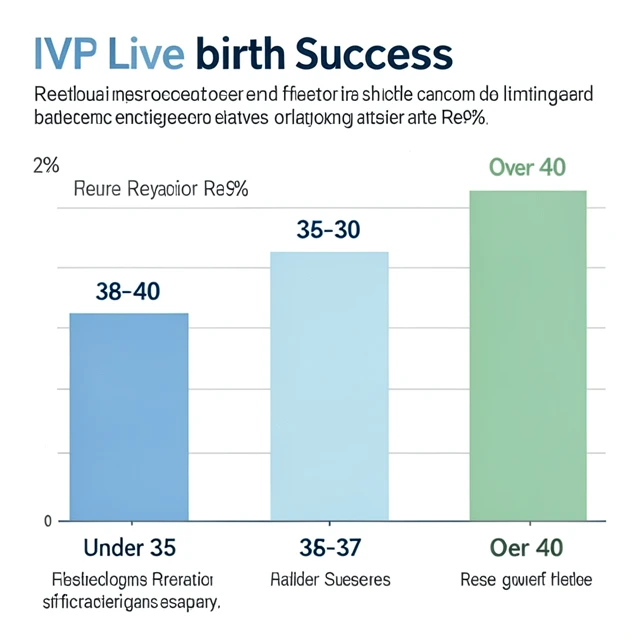
Success depends heavily on age. Recent data shows live birth rates per cycle vary significantly.
For women under 35 using their own eggs, rates often reach 45-55%. Between 35-37, they drop to around 35-40%. For ages 38-40, expect 20-30%. Over 40, numbers fall further, sometimes into single digits, though donor eggs can boost chances above 50%.
These figures come from large national reports by organizations tracking thousands of cycles. Remember, they represent averages. Your personal odds depend on health, egg quality, and other factors. Many people need more than one cycle, and cumulative success rises with multiple attempts.
Lifestyle matters too. Maintaining a healthy weight, avoiding smoking, and managing stress can support better outcomes. Clinics often provide counseling and support groups to help you through emotional ups and downs.
Traditional IVF Explained: Costs and Success Rates
Traditional, or conventional, IVF uses medications to stimulate the ovaries for multiple eggs. This approach generally delivers higher success rates because more embryos mean more transfer opportunities.
Average cost for one traditional IVF cycle in the US runs between $12,000 and $20,000, not including medications which can add $5,000 or more. Many factors influence the final price: location, additional testing, genetic screening, and whether you use frozen embryos.
Insurance coverage varies widely. Some plans cover diagnostics or limited cycles, while others offer none. Check your benefits early and ask about financing options or grants. Many clinics partner with organizations that help reduce financial stress.
Success rates for traditional IVF remain strong across age groups when compared to alternatives. Clinics report higher live birth rates per started cycle thanks to the greater number of eggs and embryos available.
Success Rates of Natural Cycle IVF
Natural cycle IVF skips heavy ovarian stimulation. Doctors retrieve the single egg your body produces in a normal menstrual cycle, making it gentler on your body with fewer medications and lower risk of side effects.
However, success rates of natural cycle IVF tend to be lower per cycle—often in the single digits to low teens—because only one egg and potentially one embryo become available. You may need several cycles to achieve pregnancy, which can add up in time and total cost.
This option appeals to those wanting to avoid hormones or who have concerns about overstimulation. It costs less per cycle, sometimes $3,000 to $7,000, but cumulative expenses may approach or exceed traditional IVF if multiple attempts are necessary.
Talk openly with your doctor about which approach fits your health profile, age, and goals. Some clinics offer modified natural or mini-IVF protocols that balance lower medication use with reasonable success chances.

How to Pick the Best IVF Clinic for You
Choosing where to receive care makes a big difference. Start by reviewing success rates on official sites, but look deeper. Compare clinics that treat patients similar to you in age and diagnosis.
Key questions to ask: - Are the doctors board-certified in reproductive endocrinology? - What is the lab’s experience and technology level? - How does the clinic support emotional well-being? - What are the full costs and any hidden fees? - Do they offer flexible scheduling and clear communication?
Visit clinics if possible. Pay attention to staff friendliness and how well they answer questions. Read verified patient reviews, but balance them with objective data. Look for clinics that report outcomes transparently and participate in national registries.
Consider location and travel demands since monitoring requires frequent visits. Some people travel to top centers for specialized care. Others prefer local options with strong reputations.
Personal insight: Many who succeeded emphasize finding a team that listens and customizes treatment. One couple shared how their clinic’s detailed explanations reduced anxiety and helped them feel in control.
Additional factors include access to genetic testing, donor options, and fertility preservation services if relevant. The best clinic aligns with your values, budget, and medical needs.
Preparing for Your IVF Journey
Success improves when you prepare your body and mind. Eat nutritious foods, exercise moderately, and prioritize sleep. Both partners can benefit from lifestyle reviews—sperm quality matters too.
Attend all monitoring appointments and follow medication instructions carefully. Many clinics provide apps or nurses to answer questions 24/7 during stimulation.
Emotionally, set realistic expectations. IVF works for many but not everyone on the first try. Build a support network of family, friends, or counselors. Consider joining online communities where people share experiences without judgment.
Track your cycle and stay organized. Small steps like these help you feel more empowered during a process that can sometimes feel overwhelming.
What to Expect After Embryo Transfer
The two-week wait brings hope and nervousness. Rest as needed but continue light daily activities unless your doctor advises otherwise. Avoid extreme temperatures, heavy lifting, and unapproved medications.
Symptoms like mild cramping or spotting can occur and do not always signal failure or success. A blood test provides the clearest answer. If positive, your clinic guides you through early pregnancy care before transitioning to your regular doctor.
If the cycle does not result in pregnancy, your team reviews what worked and adjusts the next plan. Many achieve success on the second or third attempt.
In summary, Understanding IVF: Your Complete Guide equips you with knowledge to navigate this journey confidently. IVF offers a proven path for many facing infertility. Focus on gathering facts, asking questions, and caring for yourself along the way. Every story differs, but accurate information and compassionate care increase your chances of a positive outcome.