Balanced Nutrition for Conception: How Diet Supports Fertility Hormones and Boosts Pregnancy Chances
April 26, 2026, 6:29 a.m.
Trying to conceive can feel like a journey filled with hope and questions. Balanced nutrition for conception plays a powerful role in preparing your body for pregnancy. It helps regulate fertility hormones, improves egg and sperm quality, and supports overall reproductive health. While no diet guarantees success, smart food choices can naturally boost your chances.
Many couples face infertility challenges, but simple changes in what you eat often make a real difference. In this article, you will find clear guidance on the best foods, nutrients to focus on, and how they connect to fertility hormones. You will also learn practical ways to build a daily meal plan that feels sustainable and enjoyable.
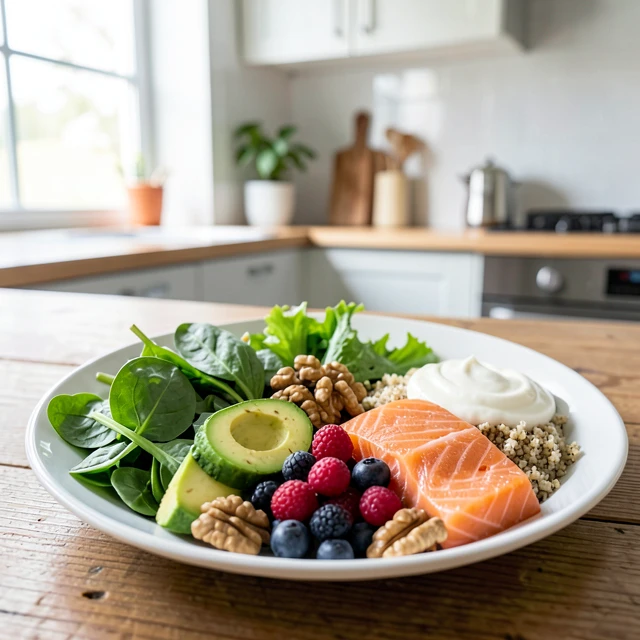
I remember working with a couple who felt overwhelmed by conflicting advice online. After they shifted to a balanced nutrition approach focused on whole foods, they noticed steadier energy levels and more regular cycles within weeks. Their story is common—small, consistent changes often lead to meaningful improvements.
Understanding Fertility Hormones and Their Role in Conception
Fertility hormones orchestrate the complex process of ovulation, sperm production, and implantation. Key players include follicle-stimulating hormone (FSH), luteinizing hormone (LH), estrogen, and progesterone. When these hormones stay in balance, your body creates the best conditions for pregnancy.
Imbalances can contribute to infertility. For example, high insulin levels from poor diet may disrupt ovulation. Nutrition directly influences hormone production because fats serve as building blocks for steroid hormones, while certain vitamins and minerals support gland function.
Best fertility hormones for increasing chances of pregnancy thrive when you eat foods rich in healthy fats, antioxidants, and key micronutrients. Think of your diet as fuel that keeps these chemical messengers working smoothly.
How Balanced Nutrition for Conception Supports Hormone Health
A well-rounded diet provides the raw materials your body needs to produce and regulate fertility hormones. Healthy fats from avocados, nuts, and olive oil help synthesize estrogen and progesterone. Protein supports tissue repair in reproductive organs.
Antioxidants in colorful fruits and vegetables protect eggs and sperm from damage caused by oxidative stress. Fiber from whole grains helps stabilize blood sugar, which prevents insulin spikes that can interfere with ovulation.
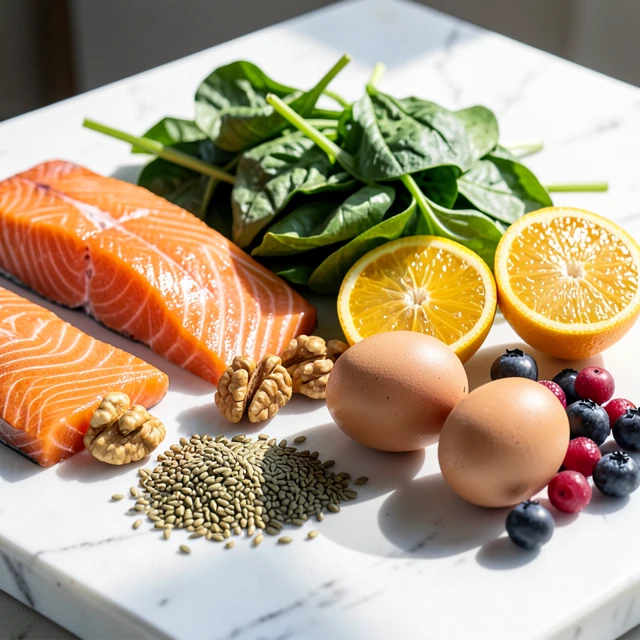
Many people notice that after adopting balanced nutrition for conception, their cycles become more predictable. One woman shared how adding more leafy greens and cutting back on sugary snacks helped her feel more in tune with her body.
Key Nutrients That Boost Fertility
Focus on these essential nutrients when building your preconception plate:
-
Folate (Folic Acid): Supports cell division and reduces neural tube defect risks. Aim for 400 mcg daily from leafy greens, citrus, and fortified grains.
-
Omega-3 Fatty Acids: Reduce inflammation and support hormone production. Find them in fatty fish, walnuts, and flaxseeds.
-
Vitamin D: Plays a role in reproductive hormone regulation. Get it from sunlight, fortified foods, or supplements if needed.
-
Zinc and Iron: Critical for ovulation and sperm health. Sources include oysters, lean meats, beans, and pumpkin seeds.
-
Antioxidants (Vitamins C and E): Protect reproductive cells. Berries, broccoli, and nuts deliver these naturally.
A simple table to guide your choices:
| Nutrient | Food Sources | Why It Helps Fertility |
|---|---|---|
| Folate | Spinach, oranges, lentils | Supports DNA synthesis and early pregnancy |
| Omega-3 | Salmon, walnuts | Reduces inflammation, aids hormone balance |
| Zinc | Oysters, pumpkin seeds | Boosts ovulation and sperm quality |
| Vitamin D | Fortified milk, sunlight | Regulates reproductive hormones |
Foods to Embrace and Foods to Limit
Build meals around whole, minimally processed foods. Fill half your plate with fruits and vegetables, one quarter with whole grains, and one quarter with quality proteins. Include healthy fats at every meal.
Great choices include:
- Leafy greens and colorful vegetables
- Berries, citrus fruits, and avocados
- Whole grains like oats, quinoa, and brown rice
- Lean proteins and plant-based options like beans and eggs
- Full-fat dairy in moderation for some people
- Nuts and seeds for snacks
Limit or avoid trans fats, refined sugars, and highly processed foods. These can promote inflammation and disrupt blood sugar, which affects fertility hormones. Excessive caffeine and alcohol also deserve caution.
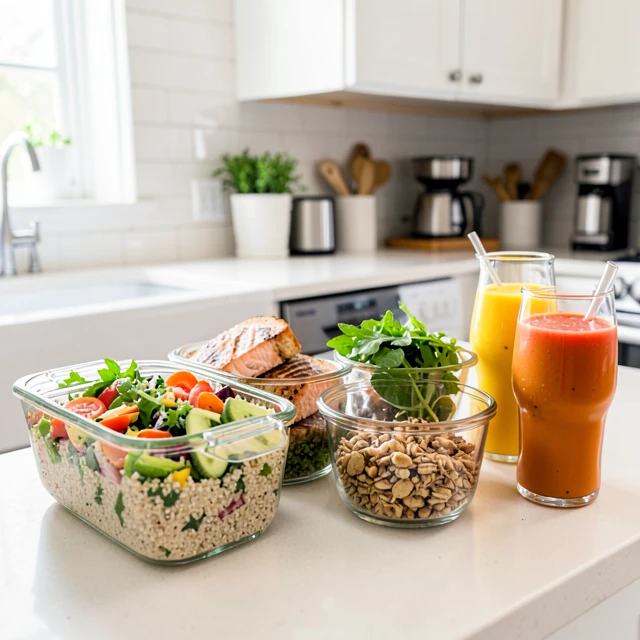
One couple I know replaced morning pastries with overnight oats topped with berries and nuts. They felt more satisfied and noticed steadier moods—small wins that added up.
Nutrition Tips for Men and Women Trying to Conceive
Both partners benefit from balanced nutrition for conception. For women, focus on nutrients that support ovulation and uterine health. For men, emphasize antioxidants and zinc to improve sperm count and motility.
Shared habits work best. Cook together, choose fertility-friendly recipes, and stay consistent. Aim for a healthy weight through nourishing food rather than restrictive dieting, as extreme changes can stress hormones.
When to Consider Fertility Drugs and Medical Support
If you have been trying for over a year (or six months if over 35), consult a doctor. Infertility sometimes requires medical evaluation. Fertility drugs like clomiphene or gonadotropins can help stimulate ovulation when natural approaches need extra support.
Nutrition complements these treatments. A healthy diet may improve how your body responds to fertility drugs and supports better outcomes. Always discuss your eating habits with your healthcare provider.
Remember, infertility affects many couples, but addressing lifestyle factors including diet often improves the picture.
Creating Your Daily Balanced Nutrition Plan
Start simple. Breakfast could be Greek yogurt with berries and walnuts. Lunch might feature a large salad with grilled chicken or chickpeas, avocado, and olive oil dressing. Dinner can include salmon, quinoa, and steamed broccoli.
Snacks like apple slices with almond butter keep energy steady. Stay hydrated with water and herbal teas. Track how you feel after a few weeks—many people report better sleep and energy as bonuses.
Personal insight: Consistency matters more than perfection. One missed meal will not derail your efforts, but daily patterns shape your hormone environment over time.
Summary: Nourish Your Way Toward Conception
Balanced nutrition for conception offers a practical, empowering way to support fertility hormones and increase your chances of pregnancy. By choosing nutrient-dense foods, managing portions mindfully, and addressing any medical concerns promptly, you give yourself and your future baby the best possible start.
Every positive choice counts. Focus on progress, celebrate small improvements, and reach out for professional guidance when needed. Your body is capable of amazing things when properly nourished.