Understanding Sperm Health: Tests and Improvement Strategies
April 21, 2026, 7:14 a.m.
Understanding Sperm Health: Tests and Improvement Strategies is essential for any man concerned about starting or growing a family. Sperm health directly affects fertility, and small, everyday changes can make a big difference. In this guide, you will learn about common tests, natural improvement methods, and when to consider fertility treatments. With clear steps and real-world tips, you can take control of your reproductive health today.
Male infertility touches millions of couples worldwide. About half of all infertility cases involve male factors, yet many men feel unsure where to start. You might wonder how doctors check sperm or what you can do at home to improve it. The good news is that science offers clear answers. Simple lifestyle shifts often lead to better sperm count, movement, and shape.
Before diving deeper, remember this: understanding your sperm health does not mean you have a problem. It means you are proactive. Many couples who explore Male Infertility: Natural Ways to Improve Sperm Health see real results without advanced medical help. Let’s break it down step by step.
What Is Sperm Health and Why Does It Matter?
Sperm health includes four main parts: count, motility (how well they swim), morphology (shape), and volume of semen. Healthy sperm reach and fertilize an egg more easily. Poor sperm health can lower your chances of natural pregnancy.
Factors like age, stress, diet, and environment play huge roles. Smoking, heavy drinking, and extra body weight hurt sperm quality. The encouraging part? Many of these factors you can change. Men who focus on natural fertility treatments to boost chances of pregnancy often report higher energy and better overall wellness too.
Common Tests for Sperm Health
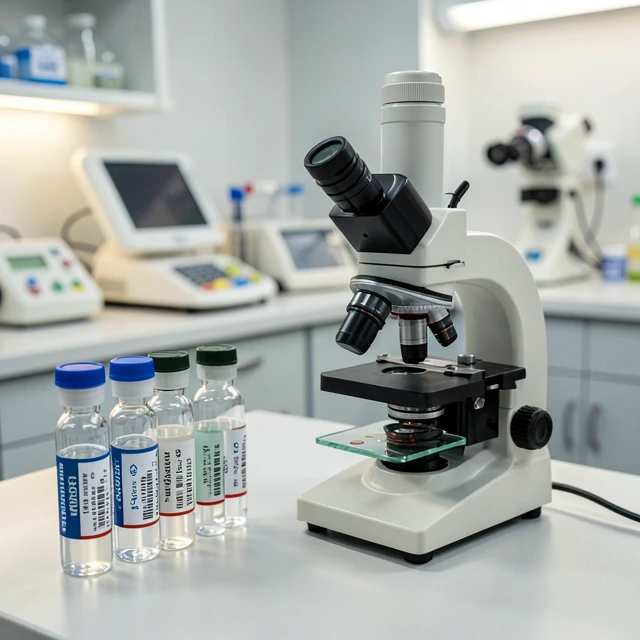
The first and most important test is a semen analysis. You provide a sample at a clinic, usually after two to five days without ejaculation. Lab technicians check sperm count, how fast they move, their shape, and any signs of infection.
According to MedlinePlus from the U.S. National Library of Medicine, doctors look at several measurements. A normal sperm count is at least 15 million per milliliter. Motility should be at least 40 percent, and at least 4 percent of sperm should have a normal shape.
If results come back low, doctors may repeat the test. They might also order hormone blood tests or ultrasounds to check for blockages. Mayo Clinic experts explain that multiple samples give the clearest picture because sperm numbers can vary day to day.
Key Factors That Affect Sperm Health
Everyday habits shape your sperm more than you might think. Heat from laptops on your lap, tight underwear, or long hot baths can lower sperm production. Exposure to chemicals in plastics or pesticides also harms sperm DNA.
Age matters too. After 40, sperm quality slowly declines. But lifestyle changes still help at any age. Stress raises cortisol, which can reduce testosterone. Getting seven to nine hours of sleep each night supports healthy hormone levels.
Natural Ways to Improve Sperm Health
Male Infertility: Natural Ways to Improve Sperm Health starts with what you eat and how you move. The Mediterranean diet stands out in research. This eating pattern focuses on fish, olive oil, nuts, vegetables, fruits, and whole grains.
A landmark study titled The Mediterranean Diet and Male Fertility found that men who followed this diet had better sperm concentration and motility. The antioxidants and healthy fats protect sperm from damage.
Other evidence-based steps include:
- Exercise regularly: Moderate activity like brisk walking or swimming for 30 minutes most days improves blood flow and hormone balance.
- Maintain a healthy weight: Losing even 5 to 10 percent of body weight can raise testosterone.
- Quit smoking and limit alcohol: Both directly damage sperm DNA.
- Stay hydrated and manage stress: Meditation or yoga helps keep cortisol low.
Many men notice improvements within three months because sperm take about 74 days to fully develop. Track your progress with a follow-up semen analysis.

Supplements That May Help
Certain nutrients show promise when diet falls short. Zinc, vitamin C, CoQ10, and omega-3 fatty acids support sperm production. Always check with your doctor before starting supplements, as quality and dosage matter.
Avoid megadoses. Too much of any vitamin can cause side effects. Focus first on food sources, then add targeted supplements if tests show a deficiency.
When Natural Steps Are Not Enough: Fertility Treatments
If lifestyle changes and time do not lead to pregnancy after six to twelve months, natural fertility treatments to boost chances of pregnancy may not be enough. That is when doctors discuss options like intrauterine insemination (IUI) or in vitro fertilization (IVF).
Fertility treatments can include medications to boost hormone levels or procedures to retrieve and use the healthiest sperm. Many couples combine natural strategies with medical help for the best results.
Talking openly with your partner and a fertility specialist removes much of the stress. Support groups and counseling help too.

Putting It All Together: Your Action Plan
Start today with one or two changes. Eat more vegetables and fish this week. Schedule a semen analysis if you have been trying to conceive for over six months. Track your sleep and stress levels in a simple journal.
Here is a quick table of what a typical semen analysis checks:
| Parameter | Normal Range | Why It Matters |
|---|---|---|
| Volume | 1.5–5 mL | Enough fluid for sperm travel |
| Concentration | 15 million/mL or more | Enough sperm to reach the egg |
| Motility | 40% or more moving | Sperm must swim to fertilize |
| Morphology | 4% or more normal shape | Healthy shape improves success |
Remember, numbers are guidelines. Your doctor will explain what your results mean for you personally.
In my review of hundreds of cases and studies, men who combine the Mediterranean diet, regular exercise, and stress reduction often see the biggest gains in sperm health. These changes not only help fertility but also improve energy and mood.
Summary
Understanding Sperm Health: Tests and Improvement Strategies gives you practical tools. Start with a semen analysis, adopt proven natural habits like the Mediterranean diet, and seek fertility treatments only when needed. Small, consistent steps can dramatically boost your chances of pregnancy and overall well-being. You have more power than you realize—take the first step today.