Cancer Treatment and Fertility: What You Need to Know
April 19, 2026, 6:48 a.m.
When you hear the words 'cancer diagnosis,' your mind races through many worries. One that often hits hard is how treatment might affect your dreams of having children. Cancer Treatment and Fertility: What You Need to Know gives you clear, practical information to help you make smart choices. Treatments such as chemotherapy and radiation can harm fertility, but options exist to preserve it. This article walks you through the risks, solutions like Fertility Preservation, and real ways to move forward with hope.
You do not have to face this alone. Many people in their 20s, 30s, and even older worry about infertility after cancer. The good news? Advances in medicine now let you take steps before treatment starts. We will cover how cancer treatments affect your body, the best Fertility Preservation methods, what happens after chemotherapy, and how IVF can help build your family later. You will also find simple steps to talk with your doctors and protect your future.
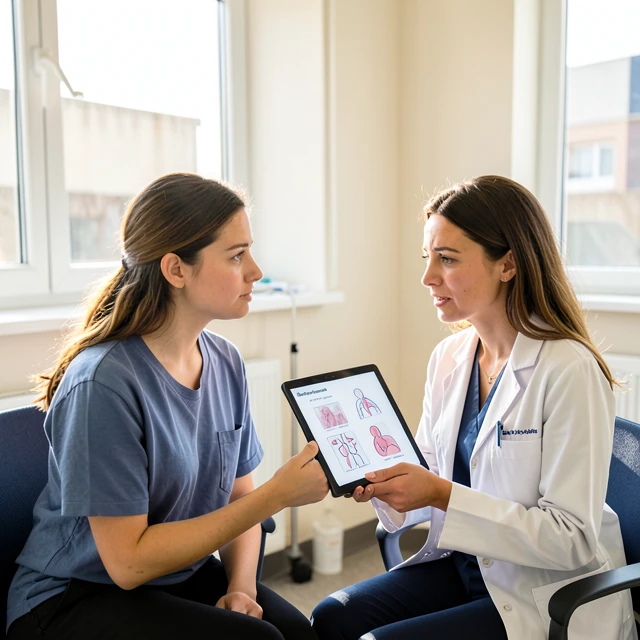
Cancer treatments target fast-growing cells, which unfortunately include those in your ovaries or testicles. Chemotherapy drugs, especially alkylating agents, can damage eggs in women or sperm production in men. The risk depends on your age, the type and dose of chemo, and whether you receive radiation to the pelvic area. Radiation can destroy eggs or sperm and sometimes cause early menopause in women or low sperm counts in men.
For women, high-dose chemo or pelvic radiation often leads to infertility or early menopause. Men may experience temporary or permanent low sperm counts. The American Cancer Society notes that both chemo and radiation to the belly or pelvis raise the chance of ongoing infertility. But not every treatment causes problems, and many survivors go on to have children.
Here is a quick look at common impacts:
- Chemotherapy: Damages growing eggs or sperm cells. Younger patients often recover better.
- Radiation: Pelvic radiation harms ovaries or testes directly.
- Surgery: Some cancer surgeries remove reproductive organs.
Talking early with your oncology team helps you understand your personal risks.
The best time to act is right after diagnosis but before treatment begins. Fertility Preservation gives you options to freeze eggs, sperm, or embryos for later use. Doctors call this oncofertility care, and major centers like Mayo Clinic offer programs that work alongside cancer treatment.
Fertility Preservation options before treatment include:
- Embryo cryopreservation: Eggs are harvested, fertilized with sperm, and frozen. Survival rate after thawing reaches up to 95 percent, according to Mayo Clinic data.
- Egg (oocyte) cryopreservation: Unfertilized eggs are frozen. Survival rate is about 85 percent. Ideal if you do not have a partner yet.
- Sperm cryopreservation: Men freeze sperm samples. This is quick and highly effective.
- Ovarian or testicular tissue freezing: Used for children or when time is short. Tissue is later transplanted.
- Radiation shielding: Lead shields protect ovaries or testes during treatment.
Here is a simple comparison table of the main Fertility Preservation methods:
| Method | Best For | Time Needed | Success Highlights |
|---|---|---|---|
| Embryo freezing | Women with partner | 2-3 weeks | Up to 95% survival after thaw |
| Egg freezing | Women without partner | 2-3 weeks | Up to 85% survival after thaw |
| Sperm banking | Men post-puberty | 1-2 days | High long-term viability |
| Ovarian tissue freezing | Girls or urgent cases | 1 day | Good for pre-pubertal patients |
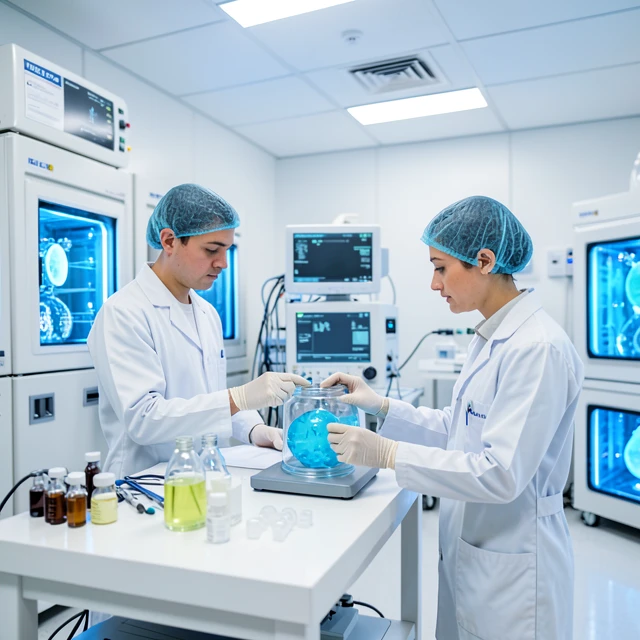
Fertility preservation after chemotherapy becomes trickier because some damage may already have occurred. If you did not preserve material before treatment, doctors can still check your remaining fertility through blood tests like AMH levels for women or semen analysis for men. Some survivors regain natural fertility over time, especially if they were younger at diagnosis.
If natural conception proves difficult, IVF often becomes the next step. IVF for cancer survivors uses any frozen eggs, embryos, or donor material. Recent studies show live birth rates after frozen embryo transfer range from 36 to 61 percent, depending on age. Success is higher when preservation happened before chemo started. The American Society for Reproductive Medicine (ASRM) confirms these methods work well for many patients.
Real stories bring hope. Sarah, a breast cancer survivor diagnosed at 32, froze her eggs before chemotherapy. Three years later, she used IVF and now has a healthy toddler. 'Knowing I took that step gave me peace during tough treatments,' she says. Stories like hers show that infertility does not have to be permanent.
Beyond the medical side, emotions run high. You might feel grief over possible infertility or pressure to decide quickly. Financial costs can add stress—egg freezing often runs thousands of dollars, though some insurance plans now cover Fertility Preservation for cancer patients. Support groups and counselors help you process these feelings while focusing on treatment.

Take these actionable steps today:
- Ask your oncologist for a referral to a fertility specialist immediately.
- Discuss your specific treatment plan and fertility risks.
- Explore costs and insurance coverage early.
- Consider emotional support through counseling or survivor networks.
- Follow up after treatment to test your fertility if you preserved nothing beforehand.
In summary, a cancer diagnosis does not have to end your dreams of parenthood. By learning about Cancer Treatment and Fertility: What You Need to Know, you gain power over infertility risks. Fertility Preservation before chemotherapy offers the best chances, while IVF helps many survivors build families later. Act quickly, lean on experts, and remember—many people go on to have healthy children after cancer.