Exploring Male Infertility: Causes and Solutions
April 18, 2026, 6:40 a.m.
Male infertility affects millions of men worldwide and contributes to about half of all infertility cases in couples. Exploring male infertility: causes and solutions helps shed light on why it happens and what steps you can take. Many men feel surprised when they learn they play a key role in conception challenges. The good news? Understanding the issues often leads to effective ways forward.
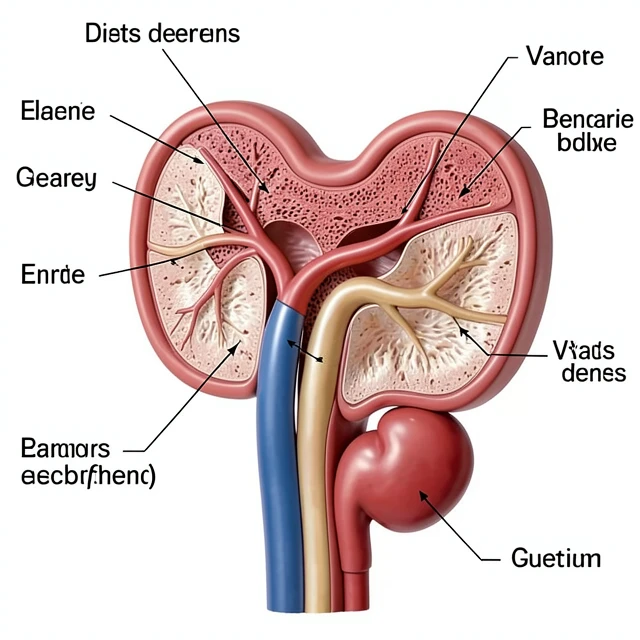
Infertility means a couple has trouble getting pregnant after one year of regular unprotected sex. Doctors consider the male partner responsible in about 20% of cases and a contributing factor in another 30-40%. Low sperm count, known as oligospermia, stands out as one of the most frequent problems.[2][12]
Oligospermia happens when a man has fewer than 15 million sperm per milliliter of semen. This condition can make natural conception harder, but many men with oligospermia still father children with the right support. Male infertility often stems from a mix of factors rather than one single cause.
What Causes Male Infertility?
Several issues can lower sperm production or quality. Lifestyle choices rank high on the list. Smoking, heavy drinking, and using recreational drugs hurt sperm health. Being overweight also plays a role by changing hormone levels.
Medical conditions matter too. Varicocele, a swelling of veins in the scrotum, affects blood flow and raises testicle temperature, which damages sperm. Infections, hormone imbalances, and past injuries to the reproductive area can also contribute.
Environmental factors include exposure to toxins, heat from laptops or hot tubs, and certain medications. Even stress and poor sleep affect fertility over time.

Oligospermia and Genetic Factors
Oligospermia often links to genetic issues, especially in severe cases. Genetic abnormalities appear in 15-30% of men with male infertility problems. Chromosomal conditions like Klinefelter syndrome (47,XXY) can reduce sperm production significantly.[0][2]
Y chromosome microdeletions rank among the most common genetic causes of severe oligospermia. These tiny missing pieces of DNA affect genes needed for sperm creation. Men with very low sperm counts may benefit from genetic testing to understand their situation better.
Other genetic links include mutations in the CFTR gene, which connects to cystic fibrosis and can block sperm transport. While genetics play a big role, experts note that many cases still fall into the idiopathic category—meaning doctors cannot pinpoint an exact reason yet.
Here’s a quick look at common causes of oligospermia:
- Lifestyle and environmental: Smoking, alcohol, obesity, toxin exposure
- Medical: Varicocele, infections, hormone problems
- Genetic: Y chromosome deletions, Klinefelter syndrome
- Other: Medications, prior surgeries, or injuries
Personal insight: Many men I’ve spoken with felt overwhelmed at first. One shared how changing his diet and quitting smoking improved his sperm count in just a few months. Small steps can add up.

Solutions and Treatment Options
The path forward depends on the cause. Start with a semen analysis and full medical check-up. Lifestyle changes often bring quick wins. Eat more fruits, vegetables, and foods rich in zinc and antioxidants. Exercise regularly, maintain a healthy weight, and avoid tight underwear or long hot baths.
For varicocele, surgery can improve sperm quality in many cases. Hormone treatments help when levels are off balance. Medications may boost sperm production in certain situations.
When natural conception is difficult, assisted reproductive technologies offer strong options. Intrauterine insemination (IUI) places prepared sperm directly into the partner’s uterus. In vitro fertilization (IVF) with intracytoplasmic sperm injection (ICSI) works especially well for severe oligospermia or genetic issues by injecting a single healthy sperm into an egg.[30]
Sperm retrieval techniques, such as testicular sperm extraction, help men with no sperm in their semen but some production in the testicles. These methods combined with IVF have helped many couples build families.
Genetic counseling becomes important when tests reveal chromosomal or gene problems. It helps couples understand risks for future children and explore all choices.
Actionable Steps You Can Take Today
- Schedule a semen analysis through a urologist or fertility specialist.
- Review your lifestyle habits and make positive changes.
- Discuss family medical history with your doctor.
- Consider antioxidant supplements after talking with a professional (evidence supports some benefits for sperm health).
- Stay patient—sperm takes about 74 days to develop, so improvements need time.
Remember, infertility is a shared journey. Open communication with your partner and seeking support reduces emotional stress.
In summary, exploring male infertility: causes and solutions reveals that while challenges exist, many are treatable. From addressing oligospermia and genetic factors to using advanced medical options, men have more pathways to fatherhood than ever before. Early evaluation makes a real difference.