Understanding Endometriosis and its Effects on Women's Health
April 16, 2026, 6:37 a.m.
Endometriosis affects millions of women worldwide, often causing chronic pain and challenges with female infertility. In this comprehensive guide to Understanding Endometriosis and its Effects on Women's Health, we break down the condition in simple terms, share real insights, and offer actionable steps for better management.
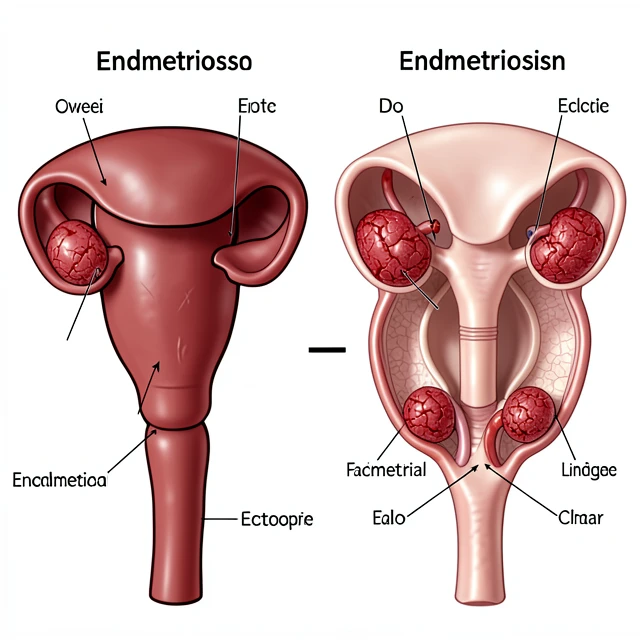
What Is Endometriosis?
Endometriosis happens when tissue similar to the lining inside your uterus grows outside of it. This tissue can appear on your ovaries, fallopian tubes, the outer surface of the uterus, or even on other organs in your pelvis. Every month, the tissue behaves like normal uterine lining—it thickens, breaks down, and bleeds. But because it has no way to leave your body, it causes inflammation, scarring, and painful cysts.
Doctors do not fully know why this occurs, but theories include retrograde menstruation, where menstrual blood flows backward through the fallopian tubes, or genetic and immune system factors.
This condition touches about 10% of women during their reproductive years, or roughly 190 million people globally. Many women live with it for years before getting a proper diagnosis, often mistaking symptoms for normal period pain.
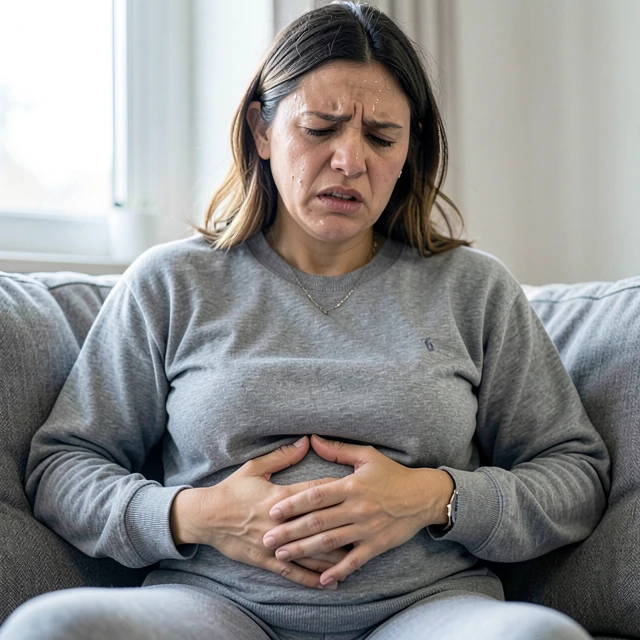
Common Symptoms and How They Affect Daily Life
The most frequent sign is pelvic pain that feels much stronger than typical menstrual cramps. Pain can start before your period, last through it, and sometimes continue afterward. Other symptoms include:
- Heavy or irregular bleeding
- Pain during or after sex
- Pain with bowel movements or urination, especially during your period
- Chronic fatigue
- Bloating and digestive issues
For many women, these symptoms disrupt work, relationships, and overall quality of life. One woman shared, "I used to cancel plans every month because the pain was so intense. It felt isolating until I finally found answers." Personal stories like this highlight that you are not alone—Understanding Endometriosis and its Effects on Women's Health starts with recognizing these real experiences.
The Link Between Endometriosis and Female Infertility
Female infertility is one of the most significant effects of endometriosis. Between 30% and 50% of women with infertility have endometriosis, and up to 50% of women with endometriosis experience difficulty conceiving.[11][25]
The condition can affect fertility in several ways:
- Inflammation and scarring: Chronic inflammation may damage eggs or make it harder for an embryo to implant.
- Blocked fallopian tubes: Adhesions can prevent eggs from traveling to the uterus.
- Ovarian cysts (endometriomas): These can reduce ovarian reserve and affect egg quality.
- Hormonal changes: The environment in the pelvis becomes less welcoming for pregnancy.
Even mild cases can contribute to infertility, though severe stages often cause more obvious structural problems. The good news is that many women with endometriosis do go on to have successful pregnancies, sometimes with medical help.
If you are trying to conceive and suspect endometriosis, track your symptoms and talk openly with your doctor. Early discussion can lead to faster support for both pain relief and fertility goals.
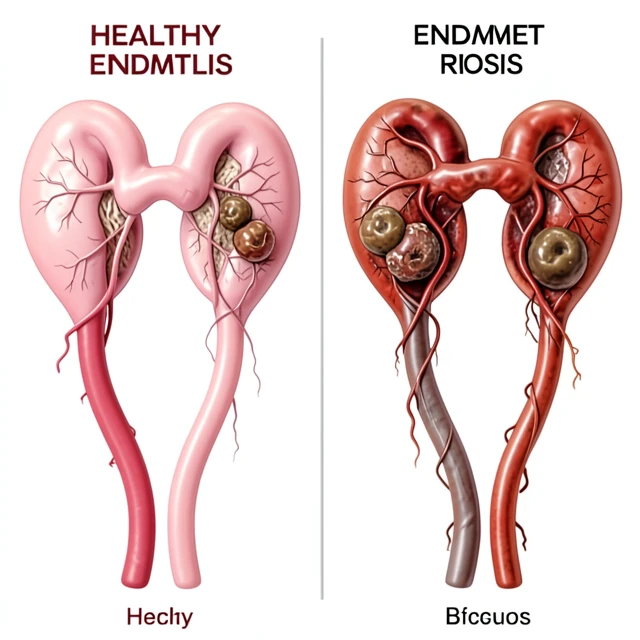
Diagnosis: What to Expect
Diagnosing endometriosis can take time because symptoms overlap with other conditions. Your doctor may start with a pelvic exam and ultrasound. The only way to confirm it for sure is through laparoscopy—a minimally invasive surgery where a small camera looks inside your pelvis.
Many women wait 7–10 years for a diagnosis. If your periods keep you from normal activities or you face female infertility, push for further evaluation. Reliable resources like the Office on Women's Health endometriosis page offer clear overviews to help you prepare for appointments.
Treatment Options and Management Strategies
There is no cure yet, but effective treatments can reduce pain and improve quality of life:
- Pain relief: Over-the-counter anti-inflammatories or prescription medications.
- Hormonal therapies: Birth control pills, progestins, or GnRH agonists to slow tissue growth.
- Surgery: Laparoscopy to remove implants and adhesions, which can ease pain and sometimes boost fertility chances.
- Lifestyle changes: Gentle exercise, anti-inflammatory diet, stress reduction, and heat therapy help many women.
For those dealing with infertility, options include fertility medications, intrauterine insemination (IUI), or in vitro fertilization (IVF). Surgery before fertility treatment may improve outcomes in some cases.
Always work with a specialist experienced in endometriosis for personalized care.
Here is a simple comparison of common approaches:
| Treatment Type | Main Benefit | Best For |
|---|---|---|
| Hormonal therapy | Reduces pain and bleeding | Symptom management |
| Laparoscopic surgery | Removes tissue and scars | Severe pain or infertility |
| Pain medications | Quick relief | Daily flare-ups |
| Assisted reproduction (IVF) | Bypasses some barriers | Fertility challenges |
Living Well with Endometriosis
Many women find strength through support groups, tracking apps, and open conversations with partners and doctors. Focus on what you can control: nutrition rich in omega-3s and antioxidants, regular movement that feels good, and prioritizing rest. These steps support overall women's health and may ease symptoms.
Remember, female infertility linked to endometriosis does not define your journey. Advances in treatment give more options than ever before.
Summary
Understanding Endometriosis and its Effects on Women's Health means recognizing its impact on pain, daily function, and fertility while knowing help exists. With proper diagnosis and tailored care, most women manage symptoms effectively and many build the families they dream of. Listen to your body, seek knowledgeable providers, and connect with others who understand.