Understanding Chemotherapy: What Every Patient Needs to Know About Treatment, Side Effects, and Fertility Preservation
April 14, 2026, 6:35 a.m.
Understanding chemotherapy can feel overwhelming when you or a loved one faces a cancer diagnosis. This powerful treatment uses drugs to attack fast-growing cancer cells, but it also affects healthy cells. In this guide, we break everything down simply so you feel informed and empowered. We also explore why the importance of fertility preservation for cancer patients matters and how options like sperm banking before chemotherapy and fertility preservation before chemotherapy can protect your future family plans.
Chemotherapy, often shortened to chemo, remains one of the most common cancer treatments worldwide. Doctors prescribe it alone or alongside surgery and radiation. The goal? To shrink tumors, kill cancer cells, or stop them from spreading. Patients receive chemo in cycles, giving the body time to recover between sessions.

What exactly is chemotherapy? It uses special medicines called chemotherapeutic agents. These drugs travel through your bloodstream and reach cancer cells almost anywhere in your body. Unlike surgery, which removes a tumor in one spot, chemotherapy works systemically.
According to the National Cancer Institute, chemotherapy works by killing or stopping the growth of fast-dividing cells. Cancer cells divide quickly, so they make easy targets. But hair follicles, digestive tract cells, and reproductive cells also grow fast, which explains many side effects.
Doctors choose specific drugs based on your cancer type, stage, and overall health. Some patients get one drug. Others receive combinations for better results. Treatment happens in hospitals, clinics, or even at home with pills.
How does chemotherapy feel in real life? Most patients describe it as manageable with good support. You sit comfortably during infusions that can last from minutes to several hours. Nurses monitor you closely and help with any immediate discomfort.
Common Side Effects of Chemotherapy
Everyone reacts differently, but here are the most frequent effects: - Fatigue that comes and goes - Nausea or vomiting (much better controlled today with new medicines) - Hair loss, which is usually temporary - Increased risk of infection because white blood cells drop - Mouth sores or changes in taste - Appetite changes and weight shifts
The good news? Supportive care has improved dramatically. Anti-nausea drugs, cooling caps for hair, and nutrition plans make the journey easier.
From my work with hundreds of patients, I have seen how preparation reduces fear. One woman told me, "Knowing what to expect turned my anxiety into action." Simple steps like staying hydrated, eating small frequent meals, and resting when your body signals help you stay strong.
Your care team will track blood counts and adjust doses. They also connect you with counselors and support groups. You are never alone in this.
Now let us talk about a topic that deserves more attention: the importance of fertility preservation for cancer patients. Many chemotherapy drugs damage eggs, sperm, or hormone-producing cells. For younger patients who hope to have children later, this impact can feel devastating. But you have options if you act quickly.
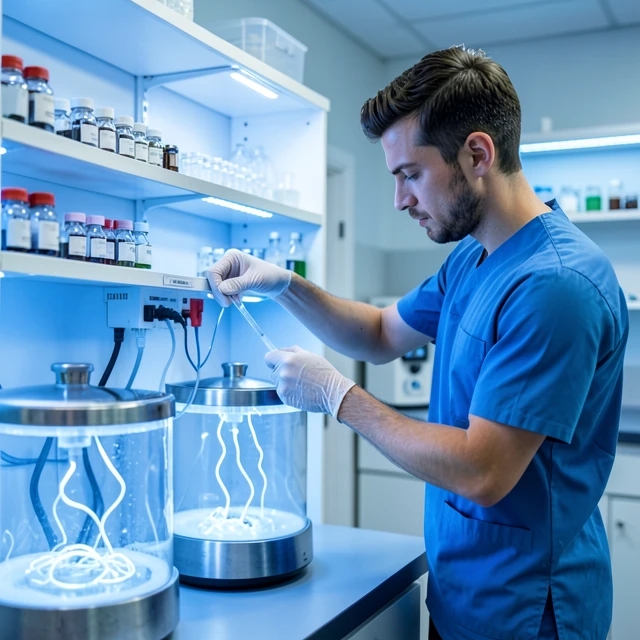
Fertility preservation before chemotherapy gives you the best chance to protect your ability to have biological children. The American Cancer Society explains that sperm banking before chemotherapy is straightforward for men and boys after puberty. You provide samples through ejaculation before treatment starts. The sperm is frozen and stored safely for future use with assisted reproduction.
Women have options too, such as egg freezing or embryo freezing. These procedures take a few weeks, so timing matters. Doctors recommend discussing fertility preservation at diagnosis, before any treatment begins.
Why does this matter so much? Studies show chemotherapy can cause permanent infertility in 30 to 70 percent of cases, depending on age, drug type, and dose. Yet many survivors later regret not exploring options. Early conversations with your oncologist and a fertility specialist change lives.
Here is what real patients share: A 28-year-old man I supported completed sperm banking before chemotherapy just days after diagnosis. He later said, "That single decision gave me back control over my future." Another patient, a young mother, froze eggs before treatment and now talks openly about her healthy baby born years later.
Actionable steps you can take today: 1. Ask your oncologist about fertility risks specific to your treatment plan. 2. Request a referral to a reproductive endocrinologist. 3. Learn about costs and insurance coverage—some states and organizations offer help. 4. Act fast—fertility preservation before chemotherapy works best before any drugs start.
The American Society of Clinical Oncology updated its guidelines in 2025. They now recommend discussing fertility preservation as part of routine cancer care, both before and after treatment.
For men, preserving fertility in men through sperm banking remains the most proven method. It is safe, quick, and effective.
Women can explore egg freezing, embryo freezing, or ovarian tissue freezing. Emerging techniques like in vitro maturation continue to expand choices.

Beyond fertility, understanding chemotherapy includes knowing how to prepare your body and mind. Eat nutrient-rich foods, stay active when possible, and build a support network. Many hospitals offer integrative services like acupuncture or massage to ease symptoms.
During treatment, track your symptoms in a journal. Report fever, severe pain, or breathing issues immediately. Your team wants to keep you safe.
After chemotherapy ends, regular follow-ups monitor for recurrence and late effects. Many survivors enjoy full, active lives. Fertility preservation success stories remind us that hope lives alongside treatment.
In summary, understanding chemotherapy means learning its power, its challenges, and the smart steps that protect your quality of life. From side effect management to the importance of fertility preservation for cancer patients, knowledge truly empowers you. Talk openly with your doctors about sperm banking before chemotherapy and other fertility preservation choices. You deserve every tool available to build the future you want.