Best Ovulation Inducers for Successful Pregnancy: Your Complete Guide to Boosting Fertility
April 12, 2026, 6:31 a.m.
Trying to conceive can feel like an emotional rollercoaster. Many couples face challenges with ovulation, but the right support can make a big difference. This guide explores the best ovulation inducers for successful pregnancy, along with practical tips on nutrition and prenatal vitamins. We will also touch on the emotional journey of infertility. Whether you are just starting out or have been trying for a while, you will find clear, actionable insights here.
What Are Ovulation Inducers and Why Do They Matter?
Ovulation inducers are medications that help your ovaries release eggs regularly. Doctors often recommend them for women who do not ovulate on their own or who ovulate irregularly. Common causes include polycystic ovary syndrome (PCOS), stress, or unexplained infertility. These treatments increase your chances of getting pregnant by timing ovulation with intercourse or other fertility methods.
The most commonly used options are oral medications taken for a few days early in your cycle. They work by gently signaling your brain to produce more follicle-stimulating hormone (FSH), which helps eggs mature. Success rates vary, but many women see positive results within a few cycles when combined with lifestyle changes.
Common Ovulation Inducers: Clomiphene and Letrozole
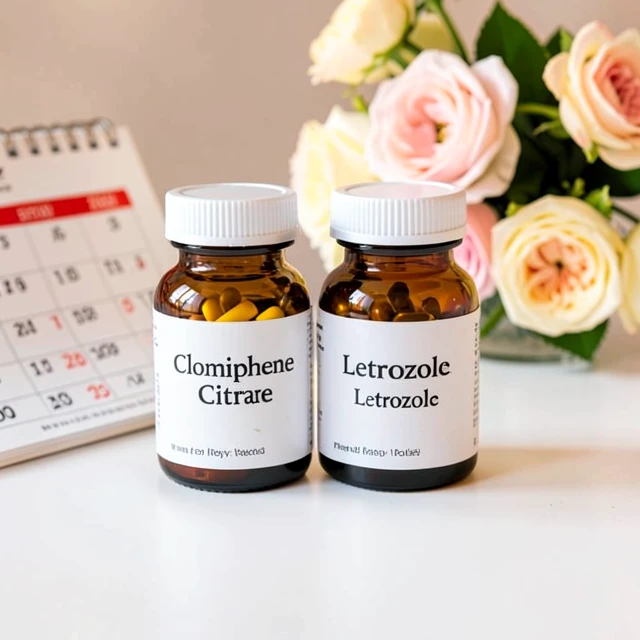
Clomiphene citrate, often known by the brand name Clomid, has been a trusted option for decades. It blocks estrogen receptors in the brain, prompting higher FSH levels. Studies show it helps about 80% of women with ovulation issues release eggs. Pregnancy rates per cycle typically range from 10-20% for those who ovulate.[2]
However, some women experience side effects like hot flashes or mood swings. Clomiphene can also thin the uterine lining in certain cases, which may affect implantation.
Letrozole (brand name Femara) is an aromatase inhibitor originally used for breast cancer treatment. It lowers estrogen production temporarily, leading to increased FSH. Many experts now consider letrozole one of the best ovulation inducers for successful pregnancy, especially for women with PCOS. Research, including large trials, shows higher live birth rates with letrozole compared to clomiphene in PCOS patients—around 27.5% versus 19.1% cumulative live births in one major study.[39]
Letrozole often produces better endometrial thickness and a lower risk of multiple pregnancies because it more frequently results in a single dominant follicle. Side effects may include fatigue or dizziness, but many women tolerate it well. Always discuss dosing with your doctor, as it is usually taken for 5 days starting early in the cycle.
When Doctors Recommend Injectable Gonadotropins
If oral medications do not work, your doctor may suggest gonadotropins. These injectable hormones (such as FSH or combinations like Menopur or Gonal-F) act directly on the ovaries to stimulate follicle growth. They are more powerful and often used with careful monitoring via ultrasound to avoid over-stimulation.
Pregnancy rates can reach about 15% per cycle in younger women, but the risk of multiples is higher. These are usually reserved for cases where simpler options fail or for more complex treatments like IUI.
Your fertility specialist will monitor you closely with blood tests and ultrasounds. This helps time ovulation and reduces risks. Success depends on your age, underlying conditions, and overall health.
Prenatal Vitamins: What to Choose and Why
While waiting for or during treatment with the best ovulation inducers for successful pregnancy, start a good prenatal vitamin early. These supplements fill nutrient gaps that support egg quality and early pregnancy.
Look for a prenatal with at least 400-800 mcg of folic acid to help prevent neural tube defects. The CDC recommends all women who can become pregnant take 400 mcg of folic acid daily.[27] Other key nutrients include iron, vitamin D, iodine, and omega-3 fatty acids. Vitamin D supports hormone balance and may aid ovulation regularity.
Choose a reputable brand without excessive vitamin A. Talk to your doctor about personalized needs—some women benefit from extra B12 or inositol, especially with PCOS.
The Role of Nutrition in Fertility: What You Need to Know
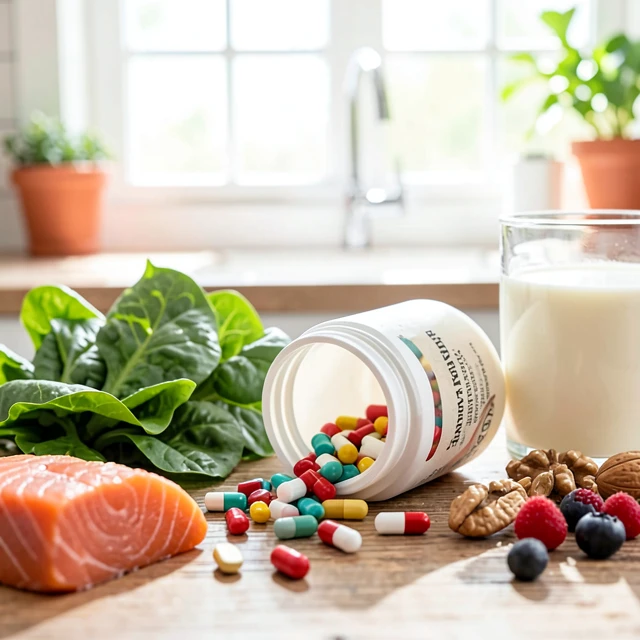
Food choices can influence hormone balance and egg quality. A Mediterranean-style diet rich in vegetables, fruits, whole grains, healthy fats like olive oil and nuts, and plant-based proteins supports better fertility outcomes.
Avoid excessive trans fats, refined sugars, and processed foods, as they may increase ovulatory infertility risk. Omega-3 fatty acids from fish or supplements and adequate iron from leafy greens or lean meats also help. Studies link higher adherence to healthy dietary patterns with a lower risk of ovulatory disorders.[19]
Maintain a healthy weight—both underweight and obesity can disrupt ovulation. Small, sustainable changes often yield the best results when paired with medical treatments.
Here is a simple list of fertility-friendly foods to include: - Leafy greens and colorful vegetables for folate and antioxidants - Fatty fish or walnuts for omega-3s - Whole grains and legumes for fiber and plant protein - Full-fat dairy in moderation (some research links it to better outcomes) - Berries and citrus for vitamin C
Limit caffeine and alcohol, though moderate amounts usually do not harm fertility.
The Emotional Journey of Infertility
Infertility affects more than your body—it touches your heart and relationships. Many women and couples feel grief, anxiety, anger, or isolation. Up to 40% of women facing infertility experience depression or anxiety symptoms, often higher than in the general population.[47]
You are not alone. The waiting, the uncertainty, and the monthly disappointment can feel overwhelming. Sharing your feelings with a supportive partner, counselor, or infertility support group can lighten the load. Some find mindfulness, gentle exercise, or journaling helpful.
Remember, seeking emotional support is a sign of strength. Many who go through this journey later say it made them more resilient. Talk openly with your doctor about how the process feels—good clinics address both the physical and emotional sides.
Combining Treatments for the Best Results
The best ovulation inducers for successful pregnancy work even better with lifestyle support. Track your cycles, time intercourse around ovulation, and consider intrauterine insemination (IUI) if recommended. Regular check-ups help adjust your plan.
Success rates improve when you address nutrition, weight, and stress alongside medication. For example, women with PCOS often see stronger results with letrozole plus healthy habits.
Every person's path is unique. Factors like age, ovarian reserve, and partner fertility play roles. Work closely with a reproductive endocrinologist for personalized care.
Summary: Taking Positive Steps Forward
Finding the best ovulation inducers for successful pregnancy involves understanding options like clomiphene and letrozole, choosing quality prenatal vitamins, eating nourishing foods, and honoring the emotional journey of infertility. With the right medical guidance and self-care, many couples achieve their dream of a healthy pregnancy.
Start by scheduling a consultation if you have been trying for over a year (or six months if over 35). Small changes today can lead to big results tomorrow. Stay hopeful—you have more tools and support available than ever before.