The Role of Diet in Managing Hormonal Imbalances
April 19, 2026, 6:48 a.m.
Hormonal imbalances affect millions of people, often leading to fatigue, mood swings, and trouble conceiving. The Role of Diet in Managing Hormonal Imbalances offers a practical, natural path forward. Simple changes in what you eat can help restore balance and improve fertility without complicated treatments. In this article, you will find clear steps, nutrient tips, and real-life stories that show how food supports your body’s natural rhythms.
Why Hormones Matter for Your Daily Life and Fertility
Hormones act like messengers in your body. They control energy, mood, weight, and reproduction. When they fall out of sync, you might notice irregular periods, acne, or weight gain. For many women, these shifts directly affect fertility. Understanding Hormonal Imbalances Impacting Fertility starts with knowing common causes such as stress, poor sleep, and processed foods. The good news? Diet can step in as a powerful tool to correct these issues.
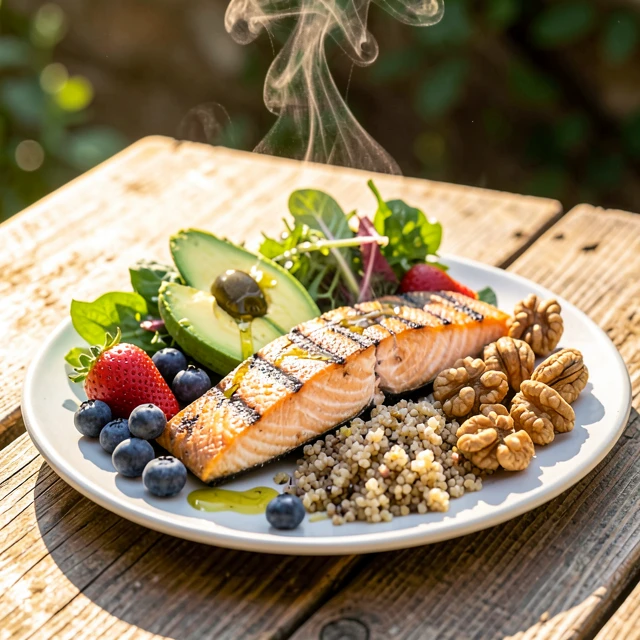
Many women share stories of feeling hopeless until they changed their plates. One client I worked with struggled with PCOS symptoms for years. After focusing on whole foods, her energy returned and her cycles became regular. These personal wins highlight why paying attention to meals matters so much.
How Diet Directly Influences Hormone Levels
Your body uses nutrients from food to make and balance hormones. Healthy fats support estrogen and progesterone. Fiber helps clear excess hormones. Protein keeps blood sugar steady, which prevents insulin spikes that disrupt everything else. On the flip side, too much sugar and processed items create inflammation that throws hormones off track.
Research backs this up. According to Harvard Health Publishing on fertility and diet, nutrients like folic acid, vitamin B12, and omega-3 fatty acids show positive links to better fertility outcomes.
A review from the National Institutes of Health on the influence of diet on fertility notes that diets high in unsaturated fats, whole grains, vegetables, and fish improve fertility in both women and men. These findings match what many experience in real life: steady energy, clearer skin, and easier conception.
Key Nutrients That Restore Balance and Support Fertility
Focus on these everyday heroes:
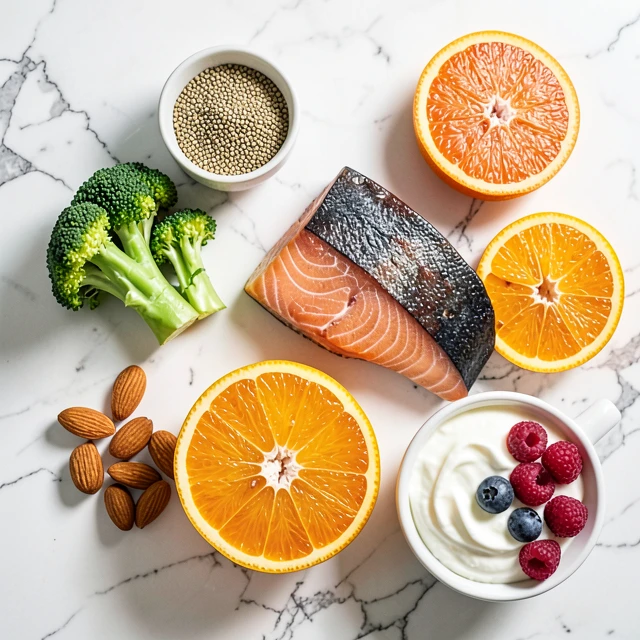
- Omega-3 fatty acids: Found in salmon, flaxseeds, and walnuts, they reduce inflammation and help regulate menstrual cycles.
- Fiber-rich foods: Vegetables, fruits, and whole grains sweep away extra estrogen.
- Antioxidant-packed produce: Berries, spinach, and broccoli protect hormone-producing cells.
- Lean proteins: Eggs, chicken, and legumes stabilize blood sugar.
Avoid or limit added sugars, trans fats, and excessive caffeine. Small swaps make a big difference.

Understanding Hormonal Imbalances Impacting Fertility
Conditions like polycystic ovary syndrome (PCOS) and thyroid issues often stem from or worsen with poor diet. Insulin resistance, common in PCOS, drives higher androgen levels that block ovulation. A balanced plate can lower insulin and improve egg quality.
For couples facing challenges, proper nutrition prepares the body for conception. Studies show Mediterranean-style eating patterns raise success rates naturally and even support medical paths like IVF.
When to Seek Professional Help: Infertility Diagnosis
If diet changes do not bring results after six months of trying, consider Infertility Diagnosis. Doctors start with simple blood tests for hormone levels, followed by ultrasound scans. Common infertility diagnosis tests and procedures include semen analysis for partners, hysterosalpingogram to check fallopian tubes, and ovarian reserve testing.
The Mayo Clinic guide to infertility diagnosis and treatment outlines these steps clearly. Early testing removes guesswork and lets you pair diet changes with targeted care.
Many women feel relieved after diagnosis because they finally understand the root cause. One couple I know combined dietary shifts with medical guidance and welcomed their baby after two years of trying. Knowledge empowers action.
Practical Tips for Everyday Hormone-Friendly Eating
Start small for lasting success:
- Build half your plate with colorful vegetables.
- Include protein and healthy fat at every meal.
- Swap sugary drinks for herbal teas or water with lemon.
- Eat within a 12-hour window to support natural hormone rhythms.
A simple table of swaps helps:
| Instead of... | Try this... | Benefit |
|---|---|---|
| Sugary cereal | Overnight oats with berries | Steady blood sugar |
| Processed snacks | Handful of nuts and seeds | Healthy fats and fiber |
| Fried foods | Baked salmon or tofu | Reduced inflammation |
| Soda | Sparkling water with fruit | Fewer hormone-disrupting additives |
Track how you feel after two weeks. Many notice better sleep and mood first, then smoother cycles. Combine diet with gentle movement like walking or yoga for even stronger results.
Diet’s Role in Supporting IVF and Medical Treatments
When natural conception needs help, nutrition still matters. A nutrient-rich diet improves egg and sperm quality, which can raise IVF success. The same anti-inflammatory foods that balance hormones also create a healthier environment for embryos.
According to a National Institutes of Health review on dietary modification for reproductive health in PCOS, diet improves ovulation, pregnancy rates, and hormone markers in women undergoing fertility treatments.
A Quick Summary of What You Can Do Today
The Role of Diet in Managing Hormonal Imbalances proves that food is powerful medicine. By choosing whole, nourishing foods you give your body the building blocks it needs for steady hormones and better fertility. Small daily choices add up to big changes in energy, mood, and conception chances. If you suspect deeper issues, talk to a doctor about infertility diagnosis tests and procedures. Your journey to balance starts on your plate.