Fertility-Boosting Foods for Men: What to Eat and Avoid
April 18, 2026, 6:41 a.m.
Many couples face challenges when starting a family, and male fertility plays a key role. The Impact of Diet on Male Fertility is significant—research shows that what you eat can influence sperm count, motility, and overall quality. This guide on Fertility-Boosting Foods for Men: What to Eat and Avoid offers practical, science-backed advice to help you take control naturally.
Your daily meals affect hormone levels, reduce oxidative stress on sperm, and support healthy sperm production. Small swaps in your diet can lead to noticeable improvements over time. Whether you are planning naturally or exploring assisted options, these changes matter.
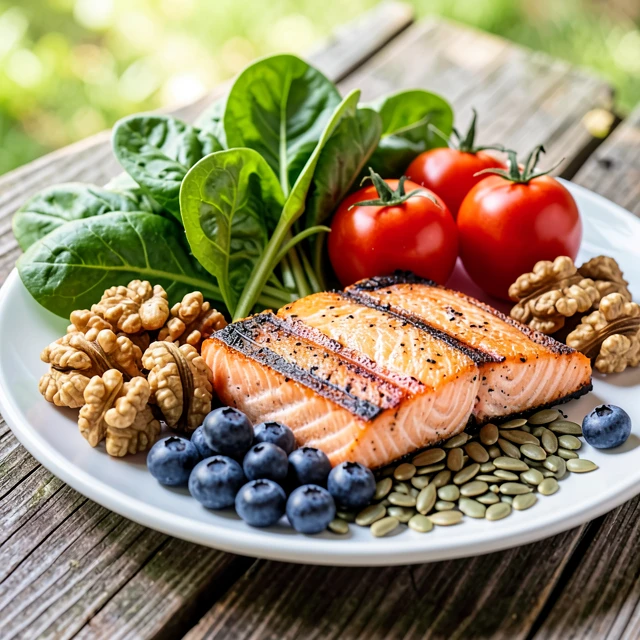
I have spoken with many men who felt overwhelmed by fertility concerns. One common thread? They wished they had known sooner how much their food choices mattered. Diet influences sperm health more than most realize, and positive changes often bring renewed hope and energy.
The Impact of Diet on Male Fertility
Sperm production is sensitive to nutrition. Antioxidants protect sperm from damage caused by free radicals. Nutrients like zinc, omega-3 fatty acids, and folate support DNA integrity, motility, and count. Studies link diets rich in fruits, vegetables, nuts, and fish to better semen parameters. On the flip side, processed foods, trans fats, and excess sugar can harm these qualities.
A Mediterranean-style eating pattern often emerges as helpful: plenty of plants, healthy fats, and lean proteins. Men who follow such patterns tend to see improvements in sperm vitality and concentration. These benefits accumulate over weeks and months since sperm takes about 74 days to fully develop.
If you and your partner are considering IVF, remember that lifestyle factors still count. While IVF Medication and male fertility are important topics—some fertility drugs help address hormonal issues in men—the foundation of good nutrition supports any medical treatment. Discuss IVF Medication options with your doctor, but pair them with supportive daily habits for the best results.
Top Fertility-Boosting Foods for Men
Focus on these nutrient powerhouses to support sperm health:
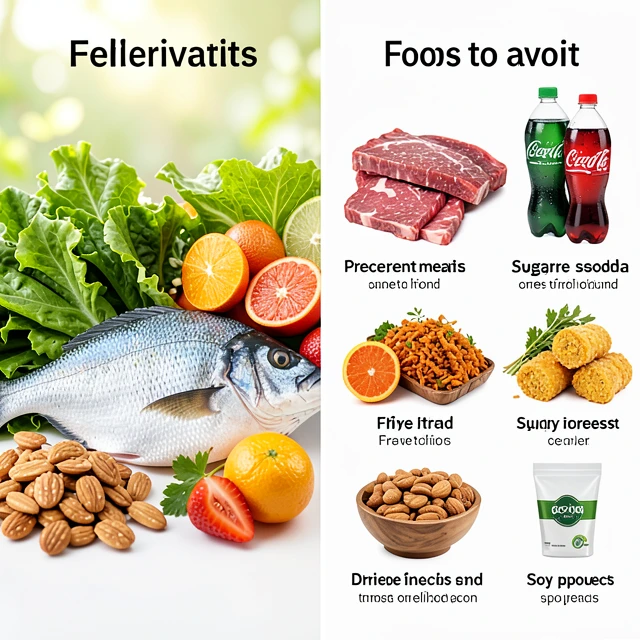
- Leafy greens and colorful vegetables: Spinach, kale, broccoli, and tomatoes deliver folate, vitamin C, and lycopene. These antioxidants fight oxidative stress and may improve sperm motility and count.
- Nuts and seeds: A handful of walnuts daily can boost sperm vitality thanks to omega-3s and healthy fats. Pumpkin seeds and almonds provide zinc, which is crucial for testosterone and sperm production.
- Fatty fish: Salmon, sardines, and mackerel supply omega-3 fatty acids that enhance sperm membrane fluidity and reduce inflammation.
- Berries and citrus fruits: Blueberries, strawberries, oranges, and kiwi are loaded with vitamin C, helping protect sperm DNA.
- Whole grains and legumes: Oats, brown rice, beans, and lentils offer sustained energy and additional folate and zinc.
- Other helpful options: Avocados for healthy fats, dark chocolate in moderation for antioxidants, and eggs for protein and nutrients.
Try adding these gradually. For example, swap your afternoon snack for a mix of nuts and berries, or include grilled salmon twice a week. Many men report feeling more energetic within weeks, which is a nice bonus beyond fertility.

Foods and Habits to Avoid or Limit
Just as some foods help, others can hinder progress. Cut back on:
- Processed meats: Bacon, sausages, hot dogs, and deli meats link to lower sperm count and more abnormal shapes.
- Trans fats and fried foods: Found in many fast foods and baked goods, these can impair sperm quality.
- Sugary drinks and sweets: Regular soda and high-sugar items may lower motility and testosterone levels.
- High-fat dairy: Full-fat milk, cheese, and ice cream in excess might affect hormone balance.
- Excess soy: Large amounts could influence estrogen-like activity, though moderate intake is usually fine.
- Alcohol and high caffeine: Heavy drinking harms sperm production. Limit alcohol and watch coffee if intake is very high.
- Ultra-processed foods: These often contain additives and unhealthy fats that may disrupt reproductive hormones.
Practical tip: Read labels and choose whole foods most of the time. When eating out, opt for grilled options over fried. Small reductions add up—many men see benefits after consistently limiting these items for a couple of months.
Practical Tips and Personal Insights
Start simple. Track what you eat for a week, then make one or two swaps. Stay hydrated, maintain a healthy weight, and combine diet with regular movement and stress management. Sleep well too—poor rest affects hormones.
I remember one man who added walnuts and leafy greens while cutting sugary drinks. After three months, he felt more motivated and his follow-up tests showed encouraging improvements in sperm parameters. Stories like this highlight that consistency matters more than perfection.
If you face male factor challenges, talk openly with a specialist. They might discuss fertility drugs alongside lifestyle changes. IVF Medication can play a role in specific cases, but nutrition remains a powerful, accessible tool you control daily.
Use tables to guide your choices:
| Foods to Eat More | Key Nutrients | Benefits |
|---|---|---|
| Leafy greens, berries | Folate, Vitamin C, Antioxidants | Protects sperm DNA, improves motility |
| Walnuts, pumpkin seeds | Omega-3s, Zinc | Boosts count and vitality |
| Salmon, sardines | Omega-3 fatty acids | Enhances membrane health |
| Foods to Limit | Reason to Reduce |
|---|---|
| Processed meats | Linked to lower count and abnormal shapes |
| Sugary sodas | May reduce motility and testosterone |
| Fried foods | Trans fats harm sperm quality |
Remember, results take time. Sperm renews over about two to three months, so give changes time to work.
Summary
Fertility-Boosting Foods for Men: What to Eat and Avoid boils down to embracing whole, nutrient-rich foods while limiting processed items. A balanced diet supports The Impact of Diet on Male Fertility and complements any medical steps, including discussions around IVF Medication and male fertility or fertility drugs. You have more influence than you might think—start today with one positive meal change.