Your Guide to Fertility Treatment Choices
April 20, 2026, 6:48 a.m.
A Brief Overview
Infertility affects about 1 in 5 married women in the United States who have never given birth. This Your Guide to Fertility Treatment Choices walks you through clear options for overcoming infertility. You will learn about fertility hormone therapy, other treatments, and how to weigh the risks and benefits. With simple steps and real insights, this article helps you move forward with confidence toward building your family.

Understanding Infertility
Infertility means you have not become pregnant after one year of regular unprotected sex. For women over 35, experts recommend checking after just six months. According to the CDC, around 19 percent of married women aged 15 to 49 with no prior births face this challenge. Both partners can contribute. Male factors account for about one-third of cases, female factors another third, and the rest are combined or unexplained.
Many couples feel alone at first, but you are not. Simple lifestyle changes or medical help often make a big difference.
Common Causes of Infertility
For women, issues like irregular ovulation, blocked fallopian tubes, or conditions such as endometriosis play a role. In men, low sperm count or poor sperm movement matters most. Age also affects egg and sperm quality. Unexplained infertility happens when tests show no clear problem, yet pregnancy does not occur.
The good news? Most cases respond well to treatment. Start with a full checkup from a reproductive specialist.
First Steps in Your Fertility Journey
See your doctor early. They will review your medical history and order basic tests. Women often get blood work to check hormone levels and an ultrasound. Men provide a semen analysis. These steps pinpoint the issue quickly and guide your fertility treatment choices.
Many couples feel relieved once they have a clear plan. Early action improves success rates.
Your Main Fertility Treatment Options
Fertility treatment ranges from simple to advanced. Here is a quick look:
- Lifestyle changes: Quit smoking, limit alcohol, maintain a healthy weight, and reduce stress.
- Medications: These stimulate ovulation.
- Intrauterine insemination (IUI): Sperm is placed directly in the uterus.
- In vitro fertilization (IVF): Eggs and sperm meet in a lab, then embryos go back to the uterus.
Each option fits different situations. Your doctor helps match the best one to your needs.
Fertility Hormone Therapy Explained
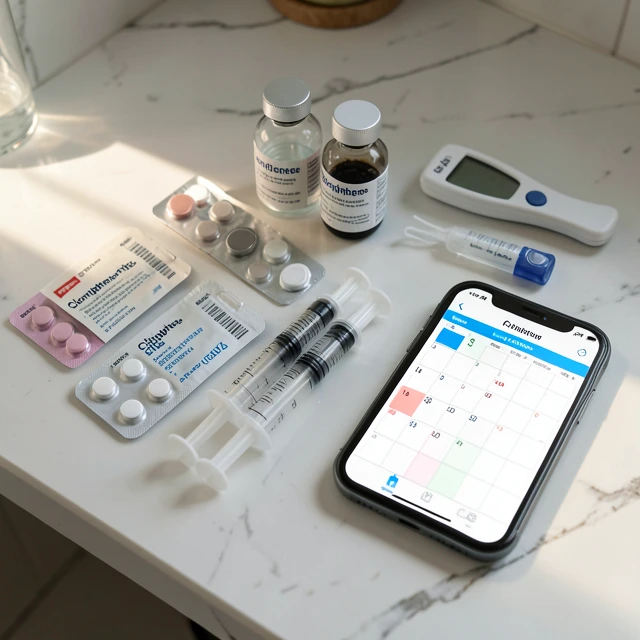
Fertility hormone therapy uses medicines to trigger or support ovulation. Common drugs include clomiphene citrate pills and injectable gonadotropins. These raise hormone levels so ovaries release healthy eggs. Doctors often combine them with monitoring via ultrasounds and blood tests.
This approach works well for women with ovulation problems and serves as a first step in many fertility treatment plans. Success rates reach 20 to 30 percent per cycle for some couples.
Understanding the Risks of Fertility Hormone Therapy
While fertility hormone therapy helps many couples conceive, it is important to know the possible downsides. The most common risk is pregnancy with multiples, such as twins, which raises chances of early birth. Another serious issue is ovarian hyperstimulation syndrome, or OHSS. Symptoms include swollen ovaries, bloating, and in rare cases, severe fluid buildup.
Read Mayo Clinic's detailed guide to female infertility diagnosis and treatment for clear explanations of these risks and how doctors minimize them.
Most side effects stay mild, and close monitoring keeps everything safe. Talk openly with your doctor about your personal health history.
Other Advanced Fertility Treatments
When hormone therapy alone is not enough, IUI or IVF steps in. IUI is less invasive and costs less. IVF offers higher success rates, especially for older women or severe male-factor infertility. In 2023, U.S. IVF cycles led to over 95,000 babies born, according to the American Society for Reproductive Medicine.
Donor eggs, sperm, or embryos expand options for some couples. Surgery can fix blockages or remove polyps when needed.

Comparing Treatment Choices
Here is a simple table to help you compare:
| Treatment | Best For | Typical Success Rate (per cycle) | Approximate Cost per Cycle |
|---|---|---|---|
| Fertility Hormone Therapy | Ovulation issues | 15-30% | $500-$2,000 |
| IUI | Mild male or unexplained | 10-20% | $1,000-$2,500 |
| IVF | Most cases, especially age-related | 30-55% (under 35) | $12,000-$20,000 |
Costs vary by location and insurance. Many clinics offer payment plans.
Personal Insights from Real Couples
I have heard from many who walked this path. One woman shared that starting fertility hormone therapy felt overwhelming at first, but tracking her cycle with an app made it manageable. Another couple tried IUI twice before IVF and said the emotional support from their clinic team kept them going. They welcomed their baby girl last year.
These stories remind us that persistence and the right support matter. You may feel anxious, but small wins along the way build hope.
Making the Best Choice for You
Think about your age, diagnosis, budget, and how many children you want. Talk with your partner and doctor. Consider emotional readiness too. Some couples add counseling or join support groups. Remember, success depends on many factors, but modern medicine offers more options than ever before.
Lifestyle Tips to Support Any Fertility Treatment
Eat a balanced diet rich in fruits, vegetables, and whole grains. Exercise moderately. Avoid tobacco and limit caffeine. Reduce stress through yoga or meditation. These habits boost overall health and can improve treatment outcomes.
Summary
Your Guide to Fertility Treatment Choices shows that infertility is common but treatable. From fertility hormone therapy to IVF, you have effective paths forward. Understanding the risks of fertility hormone therapy helps you choose wisely with your doctor. Stay informed, seek support, and hold onto hope. Many couples go on to build the family they dream of.