Understanding Endometriosis and Infertility Link: What Every Woman Needs to Know About Fertility Preservation
April 20, 2026, 6:49 a.m.
Endometriosis affects millions of women worldwide, often creating a hidden battle with chronic pain and fertility challenges. Understanding Endometriosis and Infertility Link is key for anyone navigating this condition while hoping to build a family. In this guide, we break it down simply, share real insights from women’s experiences, and highlight hope through modern solutions like fertility preservation.
If you have painful periods that knock you off your feet, heavy bleeding, or pain during intimacy, endometriosis might be at play. This condition occurs when tissue like the lining of your uterus grows outside it—on ovaries, fallopian tubes, or pelvic walls. It causes inflammation, scar tissue, and adhesions that can distort normal anatomy. Many women live with it for years before diagnosis, and it impacts about 10% of women in their reproductive years, according to global health data.
Understanding Endometriosis and Infertility Link runs deep. Roughly 30 to 50% of women with endometriosis face infertility, while up to 50% of women struggling with infertility have endometriosis. Normal couples have a 15-20% chance of conceiving each month. For women with endometriosis, that drops to 2-10%. The disease creates roadblocks: inflammation harms egg quality, adhesions block fallopian tubes, and hormonal changes disrupt implantation.
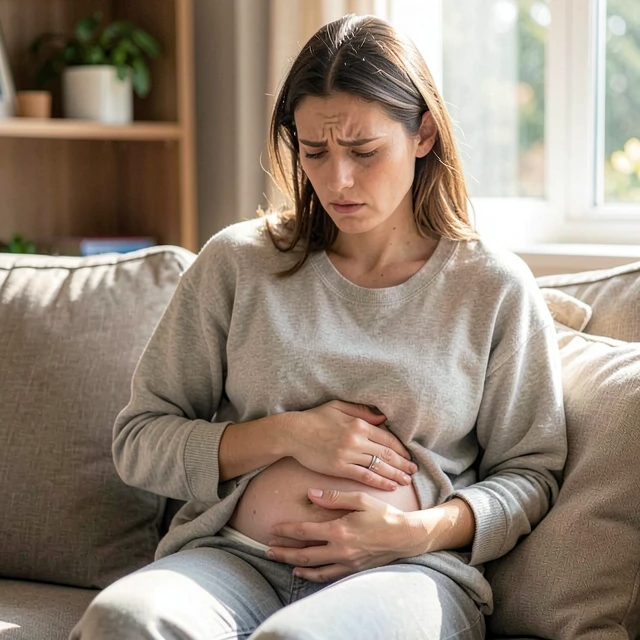
The emotional side hits hard. Many women share stories of feeling isolated, frustrated, and scared about their future. One patient described it as ‘a silent thief stealing my plans for motherhood.’ But here’s the good news: early action changes everything. Modern medicine offers real paths forward through fertility preservation for endometriosis, surgery, and assisted treatments.
Doctors diagnose endometriosis through symptoms, ultrasounds, or laparoscopy—the gold standard where they view and sometimes remove tissue. Stages range from mild (I) to severe (IV). Higher stages often mean more fertility struggles due to greater scarring. Yet even with severe endometriosis, many women conceive naturally or with help. A 2025 study of over four million women found those with endometriosis-related infertility actually had four times higher pregnancy rates than women with other infertility causes once diagnosed and treated.
Let’s look at how endometriosis specifically affects fertility: - Inflammation and toxins: Chemicals from lesions can damage eggs and sperm. - Adhesions: Sticky scar tissue can glue organs together, blocking egg pickup. - Ovarian cysts (endometriomas): These chocolate cysts harm ovarian reserve. - Immune issues: The body’s defense system may attack embryos.
These factors explain why infertility becomes a common companion, but they don’t make pregnancy impossible.
If you suspect endometriosis and worry about infertility, track your cycle with apps and note pain patterns. See a specialist early—ideally a reproductive endocrinologist or endometriosis expert. Lifestyle steps help too: anti-inflammatory diets rich in fruits, vegetables, and omega-3s, regular gentle exercise, and stress management like yoga can ease symptoms and support fertility.
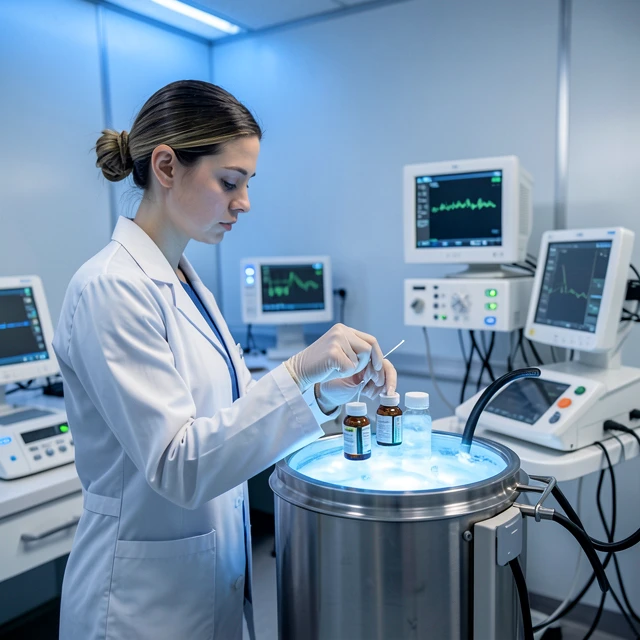
Now let’s talk solutions. Fertility preservation for endometriosis gives women control. The top option is oocyte cryopreservation—egg freezing. You take hormone shots to mature eggs, then a doctor retrieves and freezes them. Embryo freezing works similarly but fertilizes eggs first with sperm. These steps work best before surgery or disease progression damages ovaries.
Success rates of fertility preservation in endometriosis patients look promising. One recent study followed women who froze eggs or embryos: within 2–10 years, 41% tried to conceive, 63% achieved pregnancy, and 41% had live births. About half conceived naturally later, while others used their frozen material. Oocyte survival after thawing reaches 83%, with cumulative live birth rates around 46% in key research. Younger age at freezing boosts odds dramatically—women under 35 see higher success.
Here’s a quick comparison of fertility preservation options:
| Option | Best For | Key Benefit | Typical Success Notes |
|---|---|---|---|
| Egg Freezing | Single women or those delaying pregnancy | Keeps future options open without partner | 63% pregnancy rate post-use in endo patients |
| Embryo Freezing | Couples ready now | Higher success when thawed | Similar to eggs, 40%+ live births |
| Ovarian Tissue Freezing | Urgent cases before surgery | No hormone shots needed | Emerging option with growing pregnancies |
Talk to your doctor about which fits your timeline and health.
Beyond preservation, treatments include laparoscopic excision surgery to remove lesions. Many women see improved fertility afterward—up to 50% conceive within three years in some studies. For those ready to try now, IVF often works well. Live birth rates with IVF for mild endometriosis match those for other infertility causes, though severe cases may need more cycles. Medications like letrozole or IUI help milder cases.
Real women’s stories bring this to life. Sarah, 32, froze her eggs right before endometriosis surgery. Two years later, she used them via IVF and welcomed her son. ‘It gave me peace of mind when everything felt out of control,’ she says. Stories like hers show fertility preservation turns fear into empowerment. The key? Act before ovarian reserve drops.

Actionable tips you can start today: 1. Get a full fertility workup including AMH blood test and antral follicle count. 2. Discuss fertility preservation for endometriosis at your next appointment if surgery or delay is planned. 3. Consider a multidisciplinary team: gynecologist, fertility specialist, and pain expert. 4. Join support groups—sharing experiences reduces isolation. 5. Stay informed with trusted sources like the WHO Endometriosis Fact Sheet.
In summary, Understanding Endometriosis and Infertility Link reveals a clear but manageable challenge. While the condition raises infertility risks, options like fertility preservation, surgery, and IVF offer real hope. Success rates of fertility preservation in endometriosis patients continue to improve, giving women more control over their reproductive futures. Talk openly with your doctor, act early, and remember: many women with endometriosis go on to have healthy pregnancies and beautiful families.