How to Evaluate Fertility Clinic Success Rates: Your Complete Guide
April 21, 2026, 7:15 a.m.
Overview
Choosing the right fertility clinic can feel overwhelming when you face infertility. Success rates help you understand your chances, but they require careful review. This guide walks you through how to evaluate fertility clinic success rates step by step, using clear data from trusted sources like the CDC and SART. You will gain practical tools to compare options and make confident decisions on your path to building a family.
Why Success Rates Matter in Your Fertility Journey
When infertility strikes, many people start searching for the best fertility clinics near me. You want real answers about your odds of success. Fertility clinic success rates show the percentage of cycles that lead to a live birth. Yet raw numbers alone can mislead you. Clinics treat different patients, from young couples to those with complex infertility cases. Understanding how to evaluate fertility clinic success rates empowers you to look beyond headlines and focus on what fits your situation.
Patients often share how confusing these stats feel at first. One couple told me they picked a clinic based on a single high number, only to learn later that the clinic specialized in easier cases. Real evaluation goes deeper. It combines data with your personal story.

Key Metrics You Need to Understand
Success rates come in specific forms. The most important measure is the live birth rate per intended egg retrieval. This tracks what happens from the moment you start a cycle until you hold a baby. Other figures include live births per actual retrieval and per embryo transfer.
Clinics report these for patients using their own eggs and for donor options. Data from the CDC shows cumulative rates that include all transfers within one year of retrieval. This gives a fuller picture than single-transfer stats.
Here is a quick breakdown:
- Live birth per intended retrieval: Starts with your first appointment and meds. It accounts for cycles that do not reach transfer.
- Live birth per transfer: Focuses only on embryos placed in the uterus.
- Cumulative success: Adds up results across multiple attempts from one retrieval.
These details matter because infertility treatments vary widely. For example, some clinics freeze all embryos for later transfer, which boosts cumulative numbers.
According to the CDC's detailed guide to interpreting ART success rates, you should always check whether rates use your own eggs or donor material. Donor cycles often show higher success because they use younger eggs. National 2022 data from the CDC reports an overall live birth rate around 37.5 percent across all ages, but your personal odds depend on many factors.
How Age and Infertility Type Shape Your Odds
Age stands out as the biggest predictor of success. Younger patients generally see stronger results because egg quality stays high. Clinics break data into clear age groups so you can compare apples to apples.
Here is an approximate view based on recent CDC national figures for patients using their own eggs (live birth rates per intended retrieval):
| Age Group | Approximate Live Birth Rate |
|---|---|
| Under 35 | 50-55% |
| 35-37 | 40-45% |
| 38-40 | 25-30% |
| 41-42 | 10-15% |
| Over 42 | Under 5% |
These numbers come from thousands of cycles and highlight why you must match data to your age. Infertility diagnosis also plays a role. Male-factor issues or tubal problems often respond well to IVF, while diminished ovarian reserve can lower rates. Clinics that treat a wide mix of cases may show slightly lower overall numbers, but they often handle complex infertility with skill.
Where to Find Reliable Data and Tools
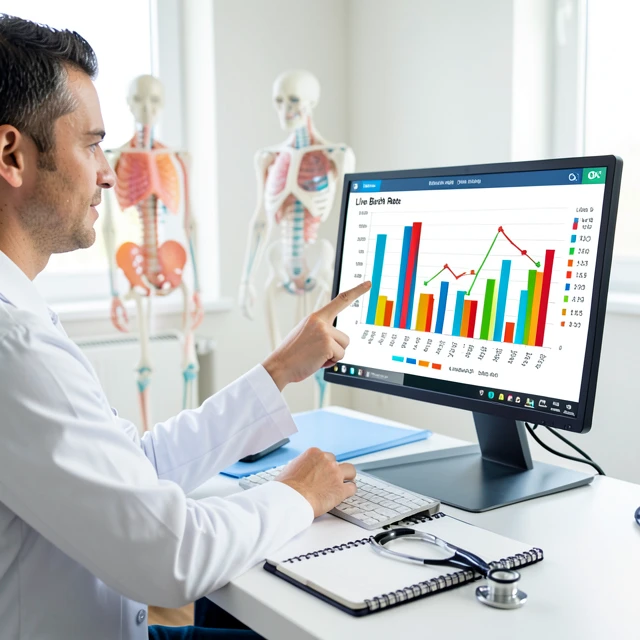
Two main organizations publish verified numbers: the CDC and SART. Every U.S. fertility clinic must report to the CDC under federal law. You can search clinic-specific data by zip code or state on the CDC ART Success Rates page. The 2022 reports remain the most recent full dataset available.
SART offers a free online predictor tool that estimates your personal cumulative live birth chance over up to three cycles. Enter your age, diagnosis, and other details to get tailored insights. This beats generic national averages every time.
Pro tip: Look at volume too. Clinics that perform more cycles often report more stable rates. Small clinics might show dramatic swings simply because one or two outcomes change the percentage.
Red Flags and What to Ask Before You Choose
High success rates alone do not guarantee the best fertility clinic near me. Some clinics cherry-pick patients to boost their numbers. Others specialize in donor eggs and post impressive stats that do not apply to everyone.
Watch for these warning signs:
- Rates much higher than national averages without clear explanation.
- No breakdown by age or diagnosis.
- Pressure to start treatment without full testing.
- Limited data on frozen embryo transfers or cumulative success.
Instead, ask smart questions during your consult: - What is your live birth rate for patients in my exact age group and with my diagnosis? - How many cycles do you perform each year? - Do you participate in SART and report to the CDC? - What support services do you offer for emotional and financial stress?
Many patients I have interviewed say these conversations revealed more than any website chart. One woman shared how her chosen clinic explained their slightly lower rate came from accepting tougher cases, which built her trust.

Beyond the Numbers: Quality, Support, and Real Results
Success rates reflect only part of the picture. Look at lab quality, doctor experience, and patient reviews. Accredited clinics follow strict standards from organizations like the College of American Pathologists. Read recent patient stories on independent sites, but weigh them against verified data.
Financial transparency counts too. Many clinics offer packages or refunds tied to outcomes. Insurance coverage for infertility varies, so confirm costs upfront.
Remember, even top clinics report average national success around 37.5 percent overall. Your journey may take more than one cycle. The CDC IVF Success Estimator tool can help you plan realistically.
Patients who succeed often combine strong data with clinics that feel supportive. They focus on communication and shared decision-making.
Putting It All Together: Your Action Plan
Evaluating fertility clinic success rates does not need to overwhelm you. Start with the CDC and SART databases. Match numbers to your age and infertility type. Use the SART predictor for a personalized view. Then visit clinics, ask pointed questions, and trust your gut on the care team.
You deserve clear answers during infertility. By learning how to evaluate fertility clinic success rates, you take control and move closer to the family you dream of.