Breakthroughs in Fertility Treatments: What's New?
April 29, 2026, 6:28 a.m.
Couples and individuals facing fertility challenges have more hope than ever before. Breakthroughs in fertility treatments are transforming the landscape, offering higher success rates and more personalized options. This comprehensive guide explores what's new in 2026, from AI innovations to improved protocols, while sharing practical insights on navigating your fertility journey.

Fertility struggles affect millions worldwide. Yet recent advances bring real progress. Success rates for in vitro fertilization continue to climb thanks to smarter tools and better understanding of reproductive biology. Whether you are just starting out or have been on this path for a while, staying informed helps you make confident choices.
In this article, we dive into the most exciting breakthroughs in fertility treatments. We also cover what to expect at a fertility clinic and tips for choosing the best fertility clinics with experienced doctors. Our goal is to provide clear, actionable information in plain language.
Why Fertility Treatments Are Evolving Rapidly
The field moves fast. Researchers and clinicians now combine technology with personalized medicine. Artificial intelligence analyzes vast amounts of data to predict outcomes more accurately. Genetic testing screens embryos with greater precision. These tools reduce guesswork and emotional stress for patients.
One major shift involves time-lapse imaging systems in labs. These special incubators photograph embryos constantly without disturbing them. Doctors and AI review the footage to spot the healthiest ones for transfer. This non-invasive approach improves selection and boosts implantation chances.
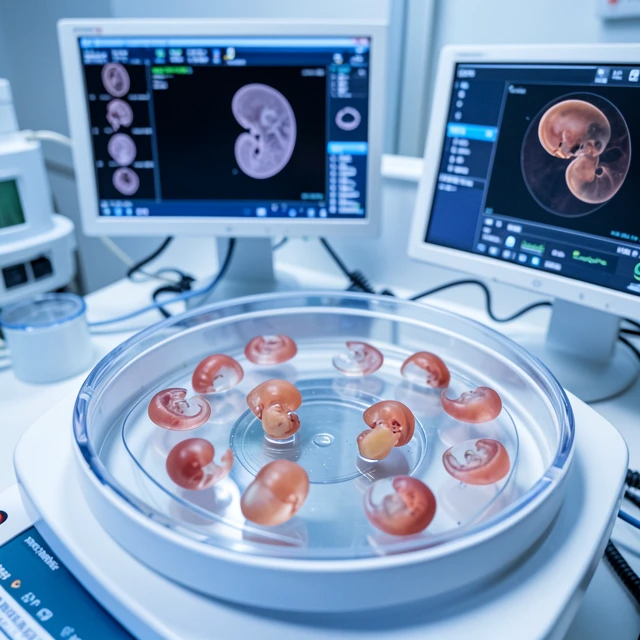
Preimplantation genetic testing (PGT) has also advanced. It helps identify chromosomal issues before implantation. Fewer miscarriages and healthier pregnancies result from this careful screening. Many fertility doctors now recommend it for certain age groups or those with previous losses.
Ovarian rejuvenation techniques using stem cells show promise for women with diminished ovarian reserve. Early studies suggest these methods may help produce more and better-quality eggs. While still emerging, they offer new possibilities for those who once had limited options.
In vitro maturation (IVM) provides a gentler alternative in some cases. It matures eggs outside the body, potentially reducing the need for heavy hormone stimulation. This can mean fewer side effects and lower costs for patients.
AI and Personalized Care: The Game Changers
Artificial intelligence now plays a central role in many clinics. AI algorithms review embryo images, patient history, and lab data to recommend tailored treatment plans. This personalization helps fertility doctors optimize medication doses and timing.
Patients often share that this data-driven approach feels reassuring. One woman described feeling more in control after her fertility doctor explained how AI helped select her top embryo. 'It took some of the uncertainty away,' she said.
Sperm selection techniques have improved too. Methods like IMSI and MACS help choose the healthiest sperm with greater accuracy. Better sperm quality leads to stronger embryos and higher success rates.
Egg freezing technology continues to refine. Vitrification methods preserve eggs more effectively than ever. Many women now freeze eggs earlier as a proactive step, giving themselves flexibility for the future.

What to Expect at a Fertility Clinic
Walking into a fertility clinic for the first time can feel overwhelming. Knowing the process helps ease anxiety. Your initial visit usually lasts one to two hours and includes a detailed conversation with your fertility doctor.
The fertility doctor will review your medical history, ask about your attempts to conceive, and discuss lifestyle factors. Expect questions about menstrual cycles, previous pregnancies, surgeries, and family health. Both partners should attend if possible.
Basic tests often follow. Women may have blood work to check hormone levels and ovarian reserve plus an ultrasound to examine the uterus and ovaries. Men typically provide a semen analysis. These steps help identify specific challenges.
From there, your care team creates a customized plan. You will learn about options like IUI, IVF, or simpler treatments. Good clinics explain everything clearly and answer questions without rushing.
Many top facilities now offer virtual consultations and digital monitoring between visits. This flexibility makes the process less disruptive to daily life.
Choosing the Best Fertility Clinics with Experienced Doctors
Not all clinics deliver the same results. Look for centers with board-certified reproductive endocrinologists who have years of hands-on experience. High success rates matter, but so do transparent reporting and compassionate care.
Experienced doctors stay current with breakthroughs in fertility treatments. They know when to suggest advanced options like AI-assisted selection or genetic testing. Patient reviews often highlight doctors who listen and explain complex topics simply.
Consider factors such as lab quality, staff continuity, and support services. The best fertility clinics with experienced doctors invest in modern equipment and ongoing staff training. They also provide counseling to address the emotional side of treatment.
Ask about their specific experience with your situation. For example, if age or repeated implantation failure is a concern, find out their track record in those areas.
Here is a quick checklist when evaluating clinics:
- Board-certified fertility specialists
- Latest technology including time-lapse and AI tools
- Transparent success rates by age group
- Comprehensive support services
- Clear communication and patient education
Actionable Tips for Your Fertility Journey
Start early if possible. Fertility naturally declines with age, but modern treatments can help at various stages. Maintain a healthy lifestyle with balanced nutrition, regular exercise, and stress management.
Track your cycle and consider at-home fertility tests as a starting point. When ready, schedule a consultation at a reputable fertility clinic.
Be open with your fertility doctor about your goals, fears, and timeline. Honest conversations lead to better plans.
Prepare financially and emotionally. Treatments can take time, and support groups or counseling make a big difference for many people.
Remember that every journey is unique. What works for one couple may differ for another. Trusted fertility doctors tailor approaches accordingly.
Looking Ahead: The Future of Fertility Care
Researchers continue exploring stem cell therapies, uterine transplants, and even more precise gene editing tools. These developments may one day help people with complex medical histories build families.
For now, current breakthroughs already deliver meaningful improvements. Higher success rates, fewer invasive procedures, and more compassionate care change lives every day.
In summary, breakthroughs in fertility treatments bring exciting new possibilities. From AI-powered insights to advanced genetic screening, options have never been better. Understanding what to expect at a fertility clinic and selecting the best fertility clinics with experienced doctors empowers you to move forward with confidence.
If you or someone you love faces fertility challenges, reach out to qualified professionals. Knowledge combined with expert guidance offers the strongest path toward your family goals.