Advancements in Reproductive Technology: Hope, Options, and Insights for Modern Families
April 29, 2026, 6:28 a.m.
Advancements in reproductive technology have transformed family building for millions. From improved IVF techniques to better fertility preservation, these innovations give people more control over their reproductive journeys. This article covers key developments, practical advice, and honest stories to help you understand your options.
A New Era of Possibilities in Family Planning
Couples and individuals today face unique challenges when starting a family. Many delay parenthood for career, financial, or personal reasons. Yet, thanks to steady progress, more people can achieve their dreams of parenthood even when natural conception proves difficult.
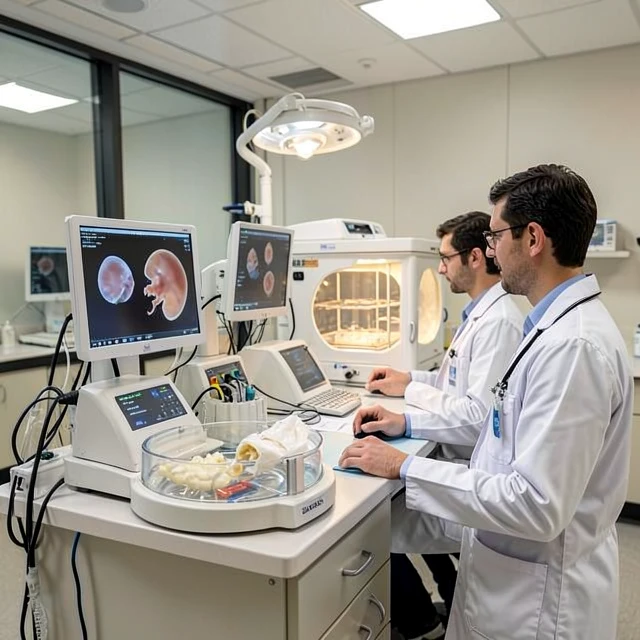
In this comprehensive guide, we examine advancements in reproductive technology, share insights on fertility preservation options for women over 35, debunk myths around understanding the biological clock, and highlight navigating infertility through personal stories and practical advice.
Understanding the Biological Clock: Myths and Facts
Many believe fertility drops sharply after age 35, like a cliff. The reality is more gradual but still significant. Fertility starts declining slowly in the early 30s and accelerates after 35 as both the quantity and quality of eggs decrease.
Key facts: - Women in their 20s have about a 25-30% chance of conceiving naturally each month. - By age 40, this drops to around 5% per cycle. - Egg quality also declines, raising risks of chromosomal issues.
However, not every woman experiences the same timeline. Genetics, lifestyle, and overall health play important roles. The idea of a strict "biological clock" ticking loudly at 35 oversimplifies a complex process. Many women in their late 30s and early 40s conceive naturally or with help.
Lifestyle factors matter too. Maintaining a healthy weight, avoiding smoking, limiting alcohol, and managing stress can support reproductive health. Regular check-ups help identify issues early.
For reliable information on age and fertility, read the American College of Obstetricians and Gynecologists guide on having a baby after age 35. It offers clear, evidence-based details.

Fertility Preservation: What Women Over 35 Need to Know
Fertility preservation options for women over 35 have improved dramatically. Egg freezing (oocyte cryopreservation) stands out as a leading choice. Women freeze their eggs at their current age and quality for future use with IVF.
Recent data shows success depends heavily on age at freezing: - Women freezing eggs between 35-37 years have nearly 50% chance of a live birth. - Rates drop with each additional year but remain possible even after 42. - Thaw survival rates for eggs reach about 89% with modern techniques.
Embryo freezing offers another route, especially for couples. Ovarian tissue freezing serves specific medical cases but remains less common for elective preservation.
Actionable tips for women over 35: - Consult a reproductive endocrinologist promptly if considering preservation. - Aim to freeze 15-20 or more mature eggs for better odds. - Understand costs, as multiple cycles may be needed. - Combine with lifestyle optimization for best results.
The American Society for Reproductive Medicine provides detailed guidelines on fertility preservation, including evidence-based recommendations.
Advancements in Reproductive Technology Transforming Outcomes
Advancements in reproductive technology focus on precision, personalization, and higher success rates while reducing stress.
Key innovations include: - AI-powered embryo selection: Algorithms analyze embryo images to predict implantation potential more accurately than traditional methods alone. - Time-lapse imaging: Continuous monitoring of embryo development without removing them from incubators. - Improved genetic testing (PGT): Screens embryos for chromosomal issues before transfer, lowering miscarriage risks. - Automation and robotics: Reducing human variability in delicate steps like intracytoplasmic sperm injection (ICSI). - Better cryopreservation: Vitrification techniques yield high survival rates for eggs, sperm, and embryos.
These tools help boost live birth rates and make treatments more efficient. Non-invasive testing methods and personalized protocols based on genetic profiles are also gaining ground.
For couples facing male factor issues, advances in sperm selection and testing offer new hope. Research into in vitro gametogenesis (creating eggs or sperm from stem cells) continues but remains in early stages.

Navigating Infertility: Personal Stories and Advice
Infertility affects about 1 in 8 couples. The emotional journey can feel isolating, but shared stories remind us we are not alone.
One woman shared her experience after trying to conceive for over two years in her mid-30s: "I felt shame at first, like my body failed me. But seeking help early changed everything. We learned about my diminished ovarian reserve and moved to IVF with genetic testing. The process was tough, but the support from my clinic and online communities kept me going."
Her advice: Track your cycle, communicate openly with your partner, and don't wait beyond six months if over 35 before seeing a specialist. Consider counseling to manage stress.
Another couple described their path through multiple failed cycles before success with frozen embryos: "We learned patience and self-compassion. Researching options empowered us. Joining support groups helped normalize the experience."
Common practical advice from those who navigated infertility: - Find a reproductive specialist experienced with your age group. - Ask detailed questions about success rates specific to your situation. - Explore financial assistance programs or insurance coverage. - Prioritize self-care — exercise, nutrition, and mental health support matter. - Remember, many paths to parenthood exist, including donor options and adoption.
Resources like RESOLVE: The National Infertility Association offer valuable personal stories and guidance for those navigating infertility.
Making Informed Choices
Advancements in reproductive technology continue to evolve rapidly. While no solution guarantees success, knowledge and timely action increase possibilities.
Women over 35 benefit most from early evaluation and honest discussions about realistic expectations. Fertility preservation decisions involve weighing timing, costs, and personal goals.
Whether exploring egg freezing, IVF with modern enhancements, or simply understanding natural fertility windows, staying informed helps you advocate for your needs.
Every journey looks different. Some achieve pregnancy naturally later than expected. Others find success through assisted options. Many build families through various paths. Compassion toward yourself and others remains essential throughout.
Summary
Advancements in reproductive technology bring renewed hope by improving success rates and reducing burdens. Fertility preservation options for women over 35 provide valuable time. Understanding the biological clock means recognizing facts over fears. And navigating infertility becomes easier with community, expert care, and personal resilience.
Take the first step by scheduling a consultation if you have concerns. Knowledge and support can light the way forward.