Understanding PCOS: Symptoms and Management
April 30, 2026, 6:28 a.m.
Polycystic ovary syndrome, or PCOS, affects millions of women worldwide. This common hormonal condition can disrupt your menstrual cycle, hormones, and overall well-being. In this comprehensive guide on Understanding PCOS: Symptoms and Management, you will find practical information to help you recognize signs, seek proper care, and explore ways to feel better.
What Is PCOS?
PCOS is a hormonal imbalance that affects how your ovaries work. Your body may produce higher levels of androgens, often called male hormones, even though women make them in smaller amounts. This imbalance can prevent regular ovulation and lead to various symptoms.
Doctors do not know the exact cause, but genetics and lifestyle factors play important roles. Insulin resistance is common in women with PCOS and can make symptoms worse.
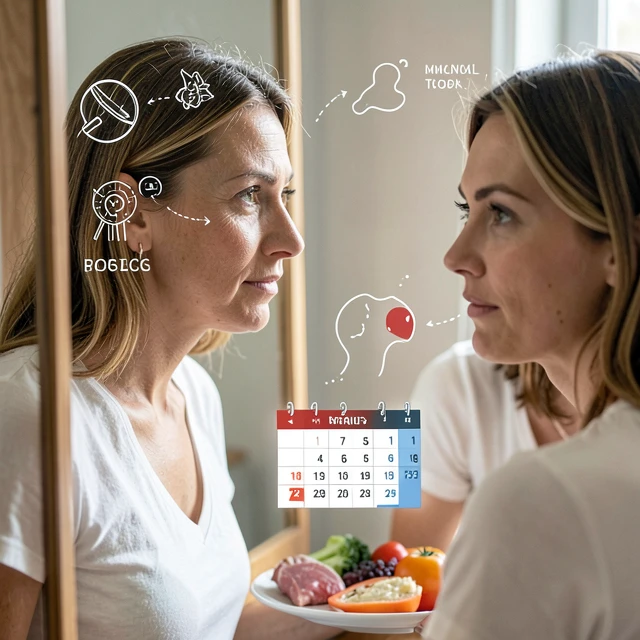
Many women feel confused or frustrated when they first learn about their diagnosis. You are not alone. With the right support, you can manage PCOS effectively and improve your quality of life.
Common Symptoms of PCOS
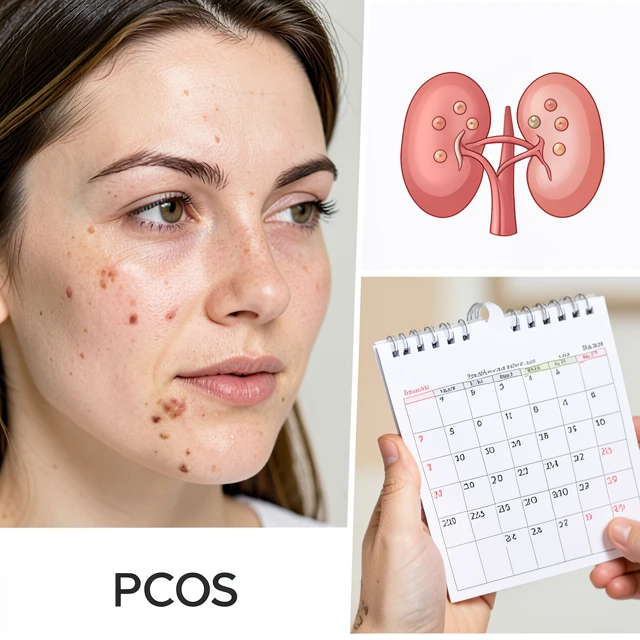
Symptoms vary from person to person, but most women experience at least two key signs. Understanding these early helps you take action.
- Irregular or missed periods: You might have fewer than eight periods a year or cycles longer than 35 days.
- Excess hair growth (hirsutism): Hair appears on the face, chest, back, or thighs.
- Acne or oily skin that persists beyond teenage years.
- Weight gain or difficulty losing weight, especially around the abdomen.
- Thinning hair on the scalp.
- Darkening of skin in body folds, called acanthosis nigricans.
- Difficulty getting pregnant due to irregular ovulation.
One woman shared her story: "I thought my irregular periods were normal until I started gaining weight and noticed dark hair on my chin. Talking to my doctor opened the door to real answers." Personal experiences like this highlight how symptoms can affect daily life and self-confidence.
How Doctors Diagnose PCOS
There is no single test for PCOS. Doctors use the Rotterdam criteria, which require at least two of these three features after ruling out other conditions:
- Irregular ovulation or periods.
- High androgen levels shown through blood tests or physical signs like excess hair.
- Polycystic ovaries visible on ultrasound (many small follicles).
Your doctor may order blood tests to check hormone levels, blood sugar, cholesterol, and rule out thyroid problems or other issues.
A reproductive endocrinologist specializing in PCOS often provides expert guidance. These specialists have deep knowledge of hormonal disorders and can create personalized plans. If you face complex symptoms, ask for a referral to a reproductive endocrinologist.
Managing PCOS: Lifestyle Comes First
Lifestyle changes form the foundation of effective PCOS management. Even modest improvements can make a big difference.
Healthy Eating Focus on balanced meals with plenty of vegetables, lean proteins, whole grains, and healthy fats. Many women benefit from a lower glycemic index approach that helps stabilize blood sugar and reduce insulin resistance. Include fiber-rich foods and limit added sugars and processed items.
Regular Exercise Aim for 150 minutes of moderate activity each week, such as brisk walking, swimming, or cycling. Add strength training twice a week. Exercise improves insulin sensitivity, supports weight management, and boosts mood.
Losing just 5-10% of your body weight can help restore more regular cycles and improve other symptoms for many women. Consistency matters more than perfection.

Medical Treatments for Symptom Relief
When lifestyle changes alone are not enough, medications can help.
Combined oral contraceptives often regulate periods, reduce acne, and control excess hair growth. Anti-androgen medicines like spironolactone may be added for hirsutism. Metformin helps address insulin resistance and can support weight efforts.
Always work closely with your healthcare provider to find the right options for your needs and life stage.
PCOS and Fertility
PCOS is one of the leading causes of infertility because of irregular or absent ovulation. The good news is that many women with PCOS go on to have healthy pregnancies with proper care.
If you want to conceive, start with lifestyle improvements. A reproductive endocrinologist can guide next steps. First-line fertility treatment often includes medications like letrozole to stimulate ovulation. Clomiphene is another option. When needed, advanced approaches such as gonadotropins or in vitro fertilization may help.
Seeing a reproductive endocrinologist early gives you access to specialized fertility treatment and higher success rates.
One patient recalled: "After working with my reproductive endocrinologist and making diet changes, I ovulated regularly for the first time in years. It gave me real hope."
Long-Term Health Considerations
PCOS increases the risk of type 2 diabetes, heart disease, high blood pressure, sleep apnea, and mood challenges like anxiety or depression. Regular check-ups help catch issues early.
Screen for blood sugar, cholesterol, and blood pressure. Prioritize sleep, stress management, and emotional support. Many women find counseling or support groups valuable.
Creating Your Personal Management Plan
Every woman experiences PCOS differently, so your plan should fit your goals and symptoms. Whether you focus on regulating periods, reducing unwanted hair, improving energy, or pursuing pregnancy, small consistent steps add up.
Track your symptoms, periods, and habits in a journal. Bring this information to appointments to make discussions more productive.
In summary, Understanding PCOS: Symptoms and Management starts with knowledge and compassionate care. You can reduce symptoms, protect your long-term health, and achieve your family goals with the right tools and support.