Sperm Freezing: A Guide for Men
May 1, 2026, 6:31 a.m.
Sperm freezing offers men a reliable way to protect their ability to have biological children in the future. Whether facing medical treatments, career demands, or personal choices, this simple process gives you control over your reproductive future. In this guide, we explore how it works, who benefits most, and what to expect.

Many men today think about family planning later in life. Medical advances, lifestyle changes, and greater awareness have made sperm freezing more common. The process, also known as sperm cryopreservation or sperm banking, involves collecting semen samples, analyzing them, and freezing the sperm in liquid nitrogen at very low temperatures.
Sperm Freezing: A Guide for Men - https://www.mayoclinic.org/tests-procedures/sperm-freezing/about/pac-20384992 explains the basics clearly. Men often choose this option before cancer treatments like chemotherapy or radiation, which can damage sperm production. Others bank sperm before vasectomy, military deployment, or simply to preserve fertility as they age.
The decision to freeze sperm brings peace of mind. One man shared his story: after a testicular cancer diagnosis at age 28, he banked several samples before starting treatment. Years later, healthy and in remission, he and his wife used the frozen sperm through IVF and welcomed their first child. Stories like this highlight why fertility preservation matters.
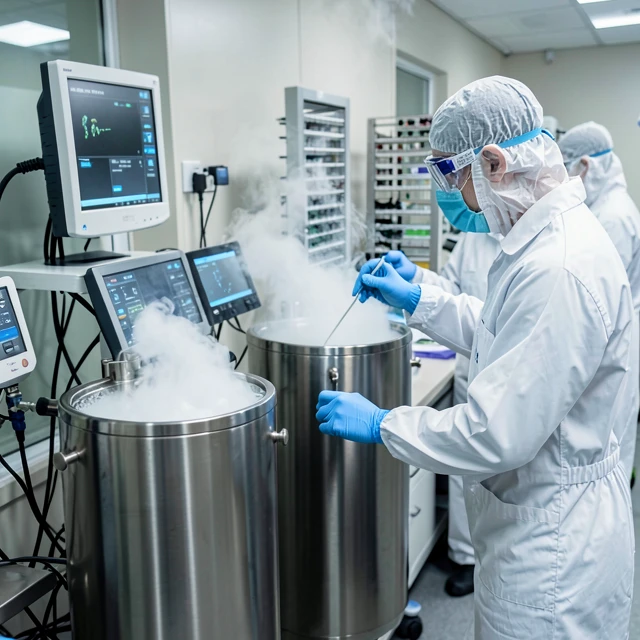
The procedure itself is straightforward. You visit a fertility clinic or sperm bank and provide a semen sample through masturbation in a private room. Doctors recommend abstaining from ejaculation for 2-5 days beforehand for better sample quality. The lab then assesses sperm count, motility, and morphology.
Next, technicians mix the sperm with a cryoprotectant solution to protect cells during freezing. They divide the sample into multiple vials or straws for future use. The samples cool gradually before plunging into liquid nitrogen at -196°C (-320.8°F). This process halts biological activity, preserving sperm viability for decades.
How many samples should you freeze? Experts often suggest 2-3 or more, depending on your sperm quality and family goals. Higher numbers provide more options for future assisted reproductive techniques like intrauterine insemination (IUI) or in vitro fertilization (IVF) with intracytoplasmic sperm injection (ICSI).
Advances in Fertility Preservation Techniques continue to improve outcomes. Traditional slow-freezing methods work well, but newer approaches like vitrification — an ultra-fast freezing technique — reduce ice crystal formation that can damage cells. Researchers also explore better cryoprotectants, antioxidants, and even nanoparticle-enhanced solutions to boost post-thaw survival rates.
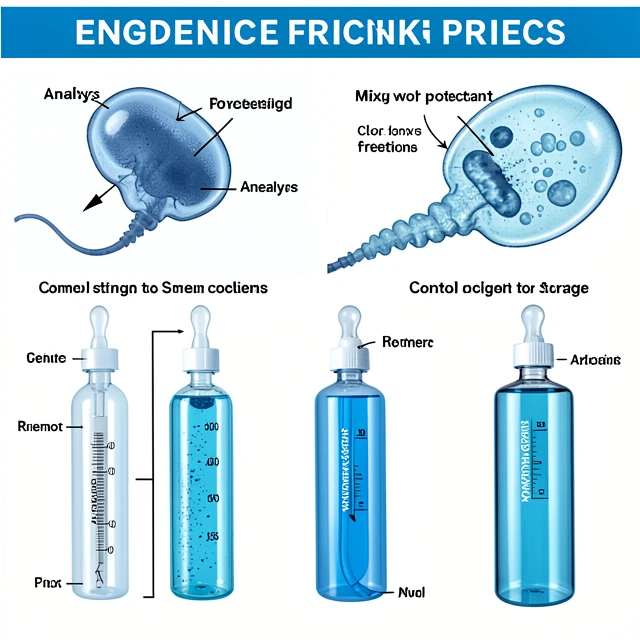
Long-term effects of fertility preservation appear minimal. Studies show that sperm stored for many years — even over 20 years — can still produce healthy pregnancies when thawed properly. One analysis found no significant difference in cryosurvival rates between samples frozen recently versus those stored for 3 to 12 years. DNA integrity and fertilization potential remain largely intact with modern techniques.
Potential side effects of the freezing process itself are limited. Some sperm do not survive thawing — typical post-thaw survival ranges from 40-60% or higher with good samples — but clinics compensate by freezing multiple vials. Importantly, children conceived from frozen sperm show no increased risk of birth defects compared to the general population.
Who should consider sperm freezing? Cancer patients top the list, especially those with testicular cancer, lymphoma, or leukemia. Treatments can cause temporary or permanent infertility. Other candidates include men undergoing gender-affirming treatments, those with jobs involving high radiation exposure, athletes facing potential injuries, or simply men who want to delay fatherhood.
Fertility preservation in women often receives more attention because female fertility declines more sharply with age due to a fixed number of eggs. Women may freeze eggs or embryos, which involves hormone stimulation and minor surgery. In contrast, sperm freezing for men is simpler, less invasive, and can be repeated easily without medications.
Comparing the two highlights important differences. Fertility preservation gives both men and women options, but the processes differ significantly in complexity and timing. Men benefit from a quicker, more accessible method that does not require delaying medical treatments.
Costs vary by location and clinic. Initial collection and freezing might range from several hundred to a couple thousand dollars, with annual storage fees around $200-500. Some insurance plans cover sperm banking for medical reasons like cancer. Check with your provider and explore financial assistance programs offered by fertility organizations.
Preparation tips make the process smoother. Stay hydrated, eat healthy, avoid alcohol and tobacco for a few days before collection, and manage stress. If you have difficulty producing a sample on-site, some clinics allow collection at home with rapid delivery.
After freezing, regular communication with the sperm bank ensures your samples stay secure. Most facilities have backup power and monitoring systems. You retain full control and can request destruction of samples or transfer them if needed.
Success stories inspire many. Men who banked sperm before chemotherapy have gone on to father children years later. With ICSI, even lower-quality thawed samples often achieve good fertilization rates. Overall pregnancy success depends on the female partner's age and health more than the frozen sperm itself.
Actionable insights for readers: Discuss fertility preservation early with your doctor if facing any gonadotoxic treatment. Seek a reputable clinic accredited by organizations like the American Association of Tissue Banks. Ask questions about their thaw survival rates, storage security, and success stories.
Consider your long-term family vision. Freezing sperm removes one source of uncertainty during stressful times like illness or major life changes. It empowers you to focus on recovery or career without sacrificing future parenthood dreams.
While sperm freezing provides excellent protection, it does not guarantee a child. Future use requires assisted reproduction in most cases, and outcomes vary. Still, having banked sperm dramatically increases your options compared to facing infertility without any preserved samples.
In summary, sperm freezing is a smart, proactive step for many men. It offers hope, flexibility, and control over reproductive choices in an uncertain world. Advances in fertility preservation techniques make the process more effective than ever, with reassuring data on long-term effects.
Whether motivated by medical needs or personal planning, take time to explore your options. Speak with a fertility specialist, review costs, and make an informed decision that aligns with your life goals.