Fertility Options for Women with Endometriosis: A Comprehensive Guide
April 30, 2026, 6:28 a.m.
Endometriosis affects millions of women worldwide and often impacts fertility. Many face challenges when trying to conceive, but effective fertility options for women with endometriosis exist today. This guide explores both conventional and holistic paths to help you make informed choices.
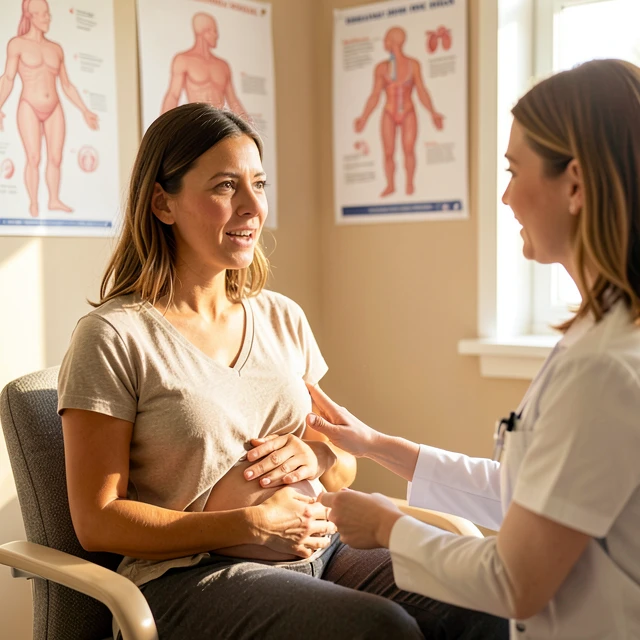
If you have endometriosis, you are not alone. This condition happens when tissue similar to the lining inside the uterus grows outside it. It can cause pain and make getting pregnant harder. Up to 50% of women with infertility may have endometriosis. The good news? Many women successfully build families with the right support.
Understanding how endometriosis affects fertility helps you take control. The tissue can create inflammation, scar tissue, and distort pelvic organs. This may block fallopian tubes, affect egg quality, or create a less welcoming environment for implantation. Yet, pregnancy remains possible even with moderate or severe cases.
Conventional Fertility Options for Women with Endometriosis
Doctors often start with a full evaluation. They assess the stage of endometriosis through laparoscopy if needed. For mild cases, trying naturally for six to twelve months after diagnosis or surgery may work well. Many couples conceive during this window.
Ovulation induction combined with intrauterine insemination (IUI) offers a good next step. Medications like clomiphene help produce more eggs, and the partner’s sperm is placed directly into the uterus. This approach bypasses some barriers caused by inflammation.
For moderate to severe endometriosis, in vitro fertilization (IVF) often gives the best success rates. IVF lets doctors retrieve eggs, fertilize them in a lab, and transfer healthy embryos. Studies show IVF outcomes for women with endometriosis are often similar to those without the condition.
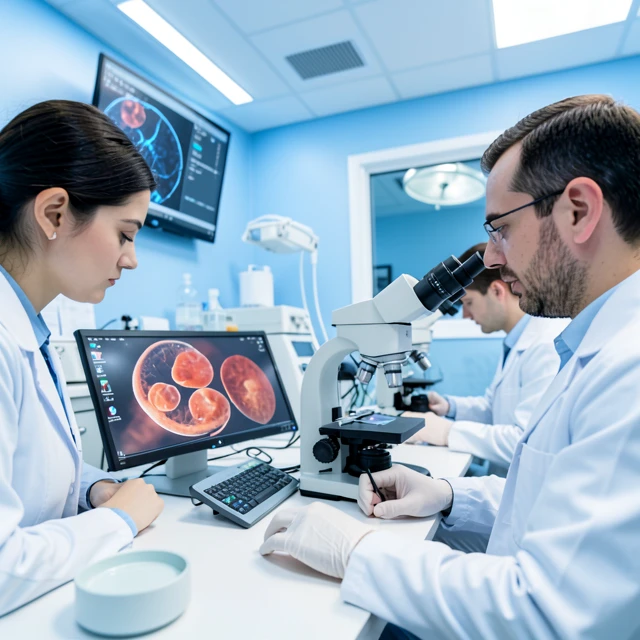
Surgery plays an important role too. Laparoscopic excision removes endometrial lesions and adhesions while preserving ovarian tissue. This can improve natural conception chances, especially in younger women with mild to moderate disease. However, repeated surgeries may reduce ovarian reserve, so timing matters.
Egg freezing before surgery or aggressive treatments offers another smart option. It preserves your current fertility potential for future use. Many specialists recommend discussing fertility preservation early.
Lifestyle changes support all medical paths. Maintaining a healthy weight, eating anti-inflammatory foods, managing stress, and avoiding smoking can improve outcomes. Simple habits make a real difference.
Fertility and Endometriosis: A Holistic Approach
Many women seek more than medications and procedures. A holistic view addresses the whole person — body, mind, and emotions. This approach combines conventional care with supportive therapies for better symptom relief and fertility support.
Nutrition focused on reducing inflammation helps. Think colorful vegetables, omega-3 rich fish, nuts, and whole grains. Some women benefit from lowering processed foods and excess red meat. While no single diet cures endometriosis, balanced eating supports hormone health and reduces pain.
Stress management techniques like yoga, meditation, or gentle walking calm the nervous system. Chronic pain and fertility struggles create emotional strain. Finding ways to relax improves sleep and overall well-being, which indirectly supports reproductive health.
Acupuncture stands out as a valuable complementary therapy. Many women report significant improvements when they add it to their care plan.
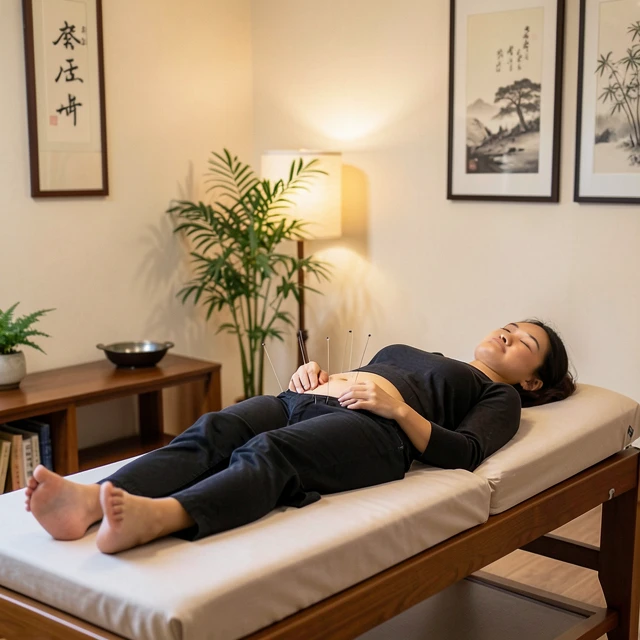
The Benefits of Acupuncture for Endometriosis Relief
Acupuncture involves placing very thin needles at specific points on the body. It may reduce inflammation, improve blood flow to the pelvis, and help balance hormones. Women often experience less pelvic pain and more regular cycles after consistent sessions.
For fertility, acupuncture can enhance ovarian function, support better egg quality, and improve uterine lining receptivity. Some research suggests it boosts blood circulation to reproductive organs and lowers stress hormones that interfere with conception.
When used alongside IVF, acupuncture may increase relaxation and potentially support implantation success. Many fertility clinics now recommend it as a safe adjunct therapy.
How to Find a Qualified Acupuncturist
Not all practitioners have the same experience. Start by looking for licensed acupuncturists with specific training in women’s health or reproductive medicine. Check their credentials through state licensing boards.
Ask about their experience treating patients with endometriosis. A good practitioner will happily share success stories (while protecting privacy) and explain their approach.
How to Choose the Right Acupuncturist
Schedule an initial consultation to see if you feel comfortable. The right fit feels supportive and listens carefully to your concerns. Discuss your fertility goals openly so they can tailor treatments to your cycle.
Read reviews from other women who faced similar challenges. Word-of-mouth recommendations from fertility specialists or endometriosis support groups also help. Look for someone who collaborates well with your OB-GYN or reproductive endocrinologist.
Treatment frequency varies. Many start with weekly sessions, especially around key cycle phases. Consistency brings better results over time. Combine acupuncture with medical care rather than using it alone.
Personal stories highlight the power of integrated care. One woman shared how surgery improved her pain, but adding acupuncture helped her conceive naturally after months of trying. Another found IVF success rates felt more manageable with regular acupuncture reducing her anxiety.
Every journey differs based on age, endometriosis stage, ovarian reserve, and partner factors. Work closely with a reproductive specialist who understands endometriosis. They can create a personalized plan that maximizes your chances.
Track your symptoms and cycles using apps or journals. This data helps doctors adjust treatments quickly. Stay hopeful — advances in both conventional and supportive care continue to open new doors.
In summary, fertility options for women with endometriosis range from watchful waiting and IUI to advanced IVF and holistic supports like acupuncture. Combining medical expertise with lifestyle changes and therapies such as acupuncture often yields the best outcomes. Listen to your body, seek knowledgeable providers, and remember you have more choices than ever before.