Cancer and Fertility: A Patient’s Guide
May 2, 2026, 6:30 a.m.
Overview
A cancer diagnosis brings many fears, but concerns about future family building often rank high. Cancer and fertility: a patient’s guide explores how treatments can affect reproductive health and what steps you can take to protect your options. Advances in fertility preservation give many patients real hope for parenthood after recovery. This guide walks you through options, timelines, and personal considerations in straightforward terms.

Cancer treatments like chemotherapy, radiation, and surgery can damage eggs, sperm, or hormone production. The risk varies by treatment type, dosage, age, and cancer location. Younger patients often have better outcomes, but many adults in their reproductive years face reduced fertility. The good news? Modern fertility preservation techniques let you take action before treatment starts.
Many patients share similar stories. Sarah, a breast cancer survivor, wished she had known about egg freezing sooner. "The shock of cancer hit hard, but learning I might lose my chance at biological kids added another layer of grief," she recalls. Stories like hers highlight why early conversations matter. Fertility preservation options should be part of every oncology discussion.
Understanding Your Risks
Different cancers and treatments carry unique fertility impacts:
- Chemotherapy: Alkylating agents often pose the highest risk to ovarian or testicular function.
- Radiation: Pelvic or total body radiation can harm reproductive organs.
- Surgery: Procedures removing reproductive tissues directly affect fertility.
Talk openly with your oncologist about your specific plan. Ask for a referral to a reproductive specialist right away. Guidelines from organizations like the American Society of Clinical Oncology (ASCO) stress discussing these risks at diagnosis. Read the latest ASCO fertility preservation guidelines for detailed recommendations.
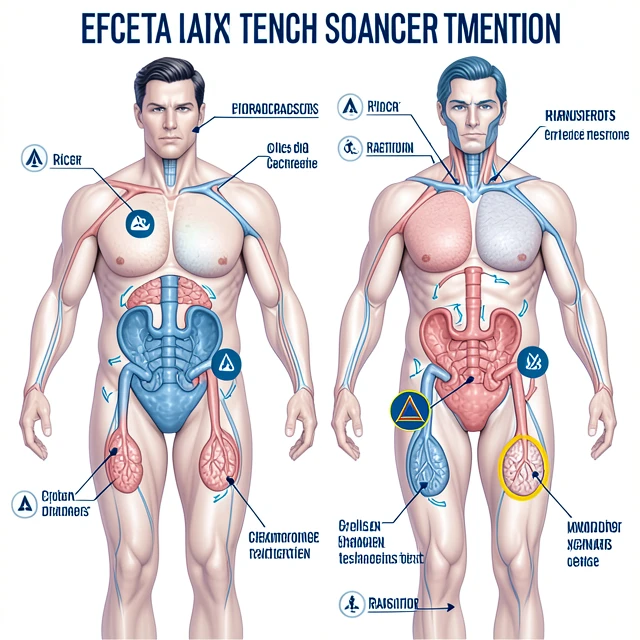
Fertility Preservation: Options and Considerations
Acting quickly is key. Many preservation methods require time before starting cancer therapy. Here are main approaches:
For Women
- Egg (oocyte) cryopreservation: Eggs are retrieved after mild hormone stimulation and frozen unfertilized. This suits single women or those not ready for embryos.
- Embryo cryopreservation: Eggs are fertilized with sperm then frozen. Success rates are often higher with this method.
- Ovarian tissue cryopreservation: A slice of ovarian tissue is removed and frozen. This works for patients who cannot delay treatment or prepubertal girls.
- Ovarian transposition: Surgeons move ovaries out of the radiation field.
The Mayo Clinic provides excellent details on these procedures. Explore fertility preservation options at Mayo Clinic.
Modern fertility treatments explained include in vitro maturation (IVM) as an emerging option that may reduce hormone stimulation time. Success depends on age—women under 35 generally see better results. One study showed live birth rates per embryo transfer can reach 40-50% or higher with good quality frozen material.
For Men
Sperm cryopreservation remains the most straightforward and effective method. You provide samples through ejaculation or, if needed, surgical extraction. Samples can be stored for decades and used later with intrauterine insemination (IUI) or IVF. Testicular tissue freezing offers options for younger boys.
Many men feel relieved after banking sperm. "It gave me control when everything else felt out of control," one testicular cancer survivor shared.

Advanced Fertility Preservation Techniques
Beyond basics, specialists use:
- Gonadotropin-releasing hormone agonists (GnRHa) to temporarily suppress ovaries during chemo, especially helpful for breast cancer patients.
- In vitro fertilization advancements for better freezing and thawing success.
- Post-treatment options like using stored material or adoption/surrogacy planning.
Timing matters. Egg or embryo freezing typically takes 10-14 days. Coordinate closely with your oncology team to avoid delaying critical cancer care.
Key Considerations Table
| Factor | Impact on Decision |
|---|---|
| Age | Younger patients usually have more and healthier eggs/sperm |
| Cancer Type | Breast, blood cancers often allow time for preservation |
| Treatment Urgency | May limit stimulation-based options |
| Cost | Varies widely; check insurance and assistance programs |
| Emotional Readiness | Counseling helps process choices |
Costs can be a barrier, but many states mandate coverage, and nonprofits offer grants. Discuss finances early with a navigator.
Emotional and Practical Insights
Fertility loss fears add stress to an already overwhelming diagnosis. Many patients benefit from speaking with counselors specializing in oncofertility. Partners and family members play important roles too—include them in discussions when appropriate.
Realistic expectations help. Not every preserved egg or sperm leads to a baby, but having options brings peace of mind. Survivors often report that pursuing preservation empowered them during treatment.
Lifestyle matters during this time. Maintain open communication with your care team. Track questions in a notebook for appointments. Support groups connect you with others walking the same path.
After Treatment: Family Building Options
Once in remission, you can use preserved materials through IVF. Many achieve healthy pregnancies. Regular fertility check-ups help monitor natural recovery too. Some regain fertility naturally, while others rely on assisted reproduction.
Advanced fertility preservation techniques continue improving, offering more hope each year.
Summary
Cancer and fertility challenges feel daunting, but knowledge and timely action open doors. Explore fertility preservation options early, consult specialists, and advocate for your future family goals. Every patient's journey differs, yet many go on to build the families they dream of. You are not alone—support and solutions exist.