Exploring Fertility Options: Your Guide to Preservation, Treatments, and Hope
May 5, 2026, 6:37 a.m.
Many people dream of starting a family, but life doesn't always follow a perfect timeline. Fertility options today offer real hope whether you're facing infertility, planning ahead, or dealing with medical challenges. This guide explores practical choices in a supportive way.

Understanding Infertility and Why It Matters
Infertility affects millions of people worldwide. It is defined as not being able to conceive after one year of regular unprotected sex. Both men and women can experience it, and factors like age, health conditions, and lifestyle play important roles.
The good news is that advances in medicine have created many effective fertility options. From lifestyle changes to advanced medical procedures, there are paths forward for most people who want to build a family.
Fertility Preservation and Age: The Biological Clock Explained
Fertility preservation and age are closely linked, especially for women. Egg quality and quantity naturally decline over time. Many experts note that fertility starts to decrease more noticeably after age 30 and drops more sharply after 35.
Men also experience changes, though usually later in life. Understanding this helps people make informed decisions about when to act.

One common approach is fertility preservation. This involves freezing eggs, sperm, or embryos for future use. Women who freeze eggs before age 35 often have better success rates later, according to data from leading medical centers.
Common Reasons People Choose Fertility Preservation
- Delaying parenthood for career or personal reasons
- Facing cancer or other medical treatments that may affect fertility
- Genetic conditions that could impact future reproduction
- LGBTQ+ individuals or couples planning ahead
Main Fertility Options Available Today
There are several proven fertility options depending on your situation:
-
Lifestyle Changes and Medications: Simple steps like maintaining a healthy weight, quitting smoking, and reducing stress can improve fertility. Doctors may prescribe medications to stimulate ovulation.
-
Intrauterine Insemination (IUI): Sperm is placed directly into the uterus during ovulation. This is less invasive and often tried first.
-
In Vitro Fertilization (IVF): Eggs are retrieved, fertilized in a lab, and resulting embryos are transferred. IVF has helped millions of families.
-
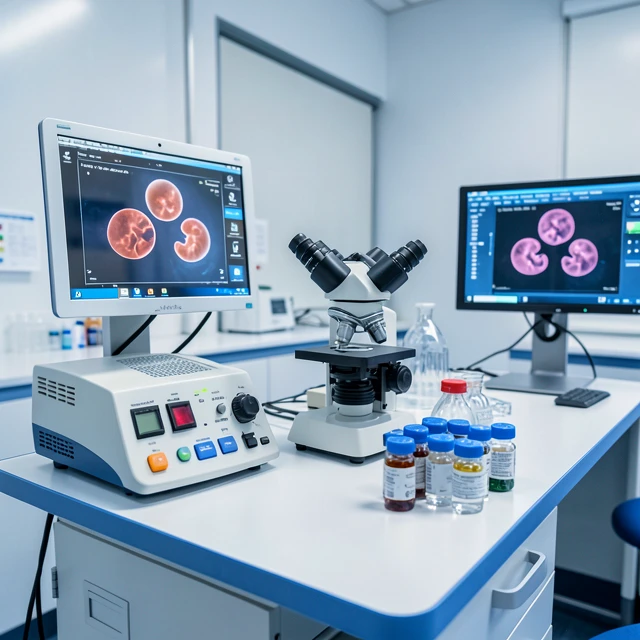
Egg, Sperm, or Embryo Freezing: A key part of fertility preservation. Modern vitrification techniques offer high survival rates for frozen cells.
Best Clinics for Fertility Preservation
Choosing the right clinic is crucial. Look for centers with strong success rates, experienced specialists, and personalized care. Top-rated facilities often include university-affiliated centers known for innovation.
Institutions like Columbia University Fertility Center and Weill Cornell have earned recognition for excellence in reproductive medicine. Research clinics thoroughly and consider factors such as accreditation, patient reviews, and transparency in reporting outcomes.
When searching for the best clinics for fertility preservation, prioritize those offering comprehensive counseling and the latest techniques. Many leading centers participate in national data reporting for accountability.
Personal Stories and Real Insights
I have spoken with many individuals on this journey. One woman in her late 30s shared how freezing her eggs gave her peace of mind while she focused on her career. Later, when ready, she successfully used them through IVF.
Another couple faced infertility after the husband's cancer treatment. Thanks to prior sperm banking, they built their family. These stories highlight why early planning with fertility preservation matters.
Key Considerations Before Starting
- Cost: Treatments can be expensive. Check insurance coverage and financing options.
- Success Rates: These vary by age and health. Clinics should provide clear, personalized statistics.
- Emotional Support: The process can be stressful. Seek clinics with counseling services.
- Risks: All procedures carry some risks. Discuss these openly with your doctor.
For reliable information, review resources from the American Society for Reproductive Medicine which provides evidence-based guidelines on fertility preservation. Mayo Clinic also offers excellent patient guides on preservation options before medical treatments.
A Step-by-Step Approach to Your Fertility Journey
- Schedule a consultation with a reproductive endocrinologist.
- Undergo basic testing for both partners.
- Discuss your goals and timeline.
- Explore suitable fertility options.
- Create a personalized plan.
Summary: Hope Through Knowledge and Action
Fertility options today are more advanced and accessible than ever. Whether addressing infertility, considering fertility preservation and age factors, or seeking the best clinics for fertility preservation, taking informed steps early makes a big difference. Every journey is unique, but support and science are on your side.