IVF Success Rates Explained by Age Group: What You Need to Know
May 6, 2026, 6:32 a.m.
IVF success rates explained by age group show that your age is one of the biggest factors in treatment outcomes. Younger women generally have higher chances of success using their own eggs. This article breaks down the numbers, shares what to expect, and offers actionable tips for your journey.
Many people start their fertility journey feeling overwhelmed. Understanding fertility treatments: a beginner’s guide can make the process less intimidating. IVF, or in vitro fertilization, involves combining eggs and sperm outside the body and then transferring healthy embryos back into the uterus.
Success depends on many things, but age stands out. Clinics report live birth rates per embryo transfer that drop as women get older. These numbers come from large organizations like the CDC, SART, and HFEA, which track thousands of cycles each year.
IVF Success Rates by Age: The Numbers
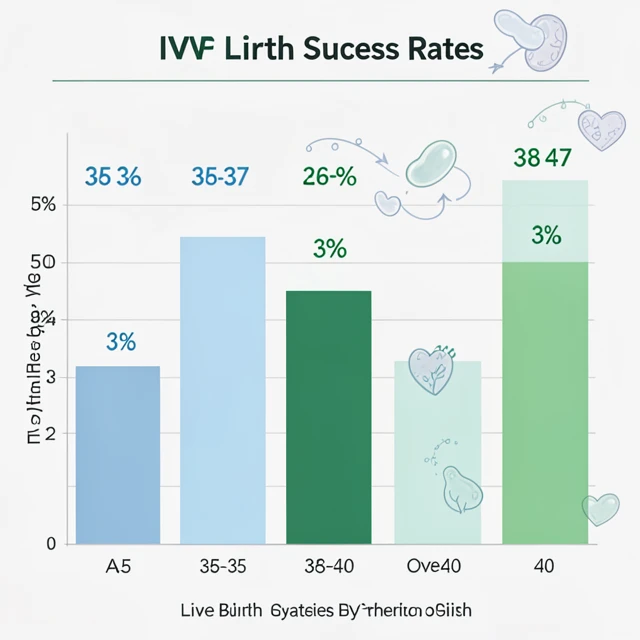
Here is a clear breakdown based on recent data for women using their own eggs:
- Under 35: Live birth rates often reach 45-55% per embryo transfer. This group enjoys the highest success because eggs are usually plentiful and high quality.
- 35-37: Rates typically range from 35-40%. A gradual decline begins here as egg quality starts to decrease.
- 38-40: Success drops to around 20-30%. Chromosomal issues in eggs become more common.
- 41-42: Rates fall to about 10-15%.
- Over 42: Often below 5-10%, though individual results vary.
These figures represent averages. Your personal results at a fertility clinic may differ based on health, lifestyle, and specific protocols.
Why does age matter so much? Women are born with all the eggs they will ever have. Over time, both the quantity and quality of these eggs decline. Older eggs have higher chances of chromosomal abnormalities, which can lead to failed implantation or miscarriage.
I have spoken with many patients who felt surprised by how quickly fertility changes after 35. One woman in her late 30s shared that preparing her body through nutrition and stress management helped her feel more in control during treatment.
What Influences Success Beyond Age
While age is key, other factors play important roles:
- Embryo quality and genetic testing (PGT-A)
- Uterine health
- Sperm quality
- Lifestyle choices like maintaining a healthy weight, not smoking, and limiting alcohol
- The experience of your fertility clinic
Using donor eggs can dramatically improve outcomes for women over 40, often bringing success rates above 50% regardless of the recipient’s age.

Preparing for Your Fertility Consultation
Scheduling a fertility consultation is an important first step. Come prepared with top questions to ask during a fertility consultation to get the most value.
Good questions include: - What are your success rates for patients my age and with my diagnosis? - What testing do you recommend before starting? - How many embryos do you typically transfer? - What are the costs and financing options? - Do you offer genetic testing of embryos?
A skilled fertility clinic team will explain everything clearly and tailor a plan to your unique situation. They should also discuss emotional support resources, because the process can be stressful.
Real Stories and Personal Insights
Sarah, 34, succeeded on her first cycle and now has a healthy baby boy. She focused on improving her egg quality through diet and supplements recommended by her doctor. On the other hand, Maria, 41, needed two cycles with preimplantation genetic testing before her transfer worked. Both women emphasized choosing a supportive fertility clinic that communicated well.
These stories highlight that while statistics guide expectations, every journey is personal. Staying hopeful and informed makes a big difference.
Lifestyle Tips to Boost Your Chances
You cannot change your age, but you can control other factors. Eat a balanced Mediterranean-style diet rich in antioxidants. Exercise moderately. Manage stress through meditation or counseling. Get enough sleep. These steps support overall reproductive health during IVF.
Working closely with your doctor ensures treatments match your body’s needs. Advances like better culture media and time-lapse embryo monitoring continue to improve outcomes across all age groups.
Summary: Knowledge Empowers Your Journey
IVF success rates explained by age group provide a realistic roadmap. Younger patients generally see higher success, but meaningful chances exist at every stage with the right approach. Start with a thorough fertility consultation, ask great questions, and partner with an experienced fertility clinic. Every step brings you closer to your family goals.