Understanding Sperm and Egg Donation Options: A Complete Guide for Building Your Family
March 28, 2026, 6:36 a.m.
Many people dream of starting a family, and modern science opens doors that once seemed closed. Understanding Sperm and Egg Donation Options helps individuals and couples navigate paths to parenthood with confidence. Whether you are part of a same-sex couple exploring fertility treatment or simply learning about assisted reproduction, this guide offers clear, practical information.
In recent years, more families have grown through donor gametes and IVF. Same-sex couples, in particular, benefit from these advances. This article covers donation basics, how they fit into Fertility Treatment, and a step-by-step look at Understanding IVF: A Step-by-Step Guide for Same-Sex Couples.
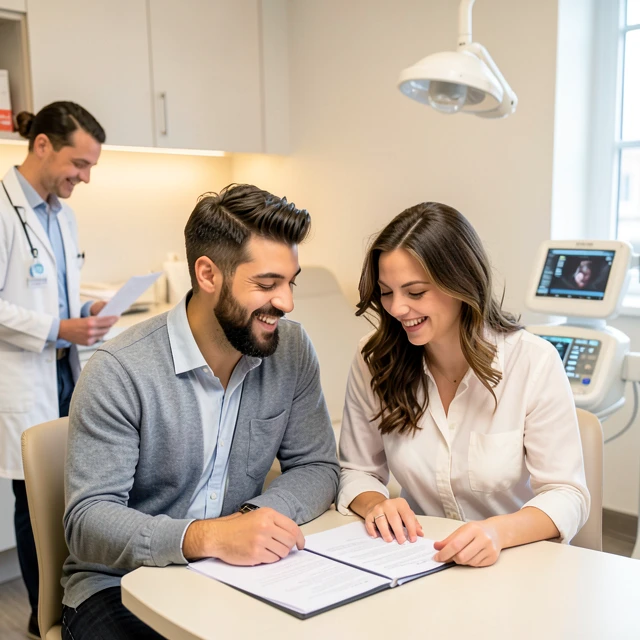
Sperm donation provides a way for people without viable sperm or in female same-sex relationships to conceive. Donors undergo thorough screening for health and genetic factors. Clinics or banks store frozen sperm samples, which recipients can select based on characteristics like education, appearance, or interests. Many choose anonymous donors, while others prefer known or open-identity options where the child can learn the donor's identity later.
Egg donation works similarly but involves more steps for the donor. Young, healthy women take medications to stimulate egg production, followed by a minor procedure to retrieve the eggs. These eggs are then fertilized in a lab to create embryos. Egg donors often receive compensation for their time and commitment, and the process follows strict medical guidelines from organizations like the American Society for Reproductive Medicine (ASRM).
For fertility treatment for same-sex couples, donation options vary by partnership type. Lesbian couples often use donor sperm with intrauterine insemination (IUI) or IVF. A popular choice is reciprocal IVF, where one partner provides the eggs and the other carries the pregnancy. This shared biological experience strengthens the bond between partners.

Gay male couples typically combine egg donation with gestational surrogacy. One or both partners provide sperm to fertilize donor eggs, creating embryos that a surrogate carries. Some couples split the eggs between partners' sperm to give each a potential genetic link. This approach requires coordination among the clinic, egg donor agency, and surrogacy program.
Here is a simple comparison of common donation paths:
| Option | Best For | Key Steps | Considerations |
|---|---|---|---|
| Donor Sperm + IUI/IVF | Lesbian couples, single women | Select donor, inseminate or fertilize | Lower cost, fewer medical procedures |
| Reciprocal IVF | Lesbian couples wanting shared biology | One partner stimulates eggs, other carries | Emotional connection, higher success with young eggs |
| Egg Donation + Surrogacy | Gay male couples, single men | Choose egg donor and surrogate, create embryos via IVF | More complex legally and financially |
| Embryo Donation | Various family types | Adopt already-created embryos | Often more affordable than fresh cycles |
Costs play a big role in planning. Sperm vials typically range from $1,000 to $2,000, plus shipping and storage. Egg donation cycles can cost $20,000 to $60,000 depending on whether eggs are fresh or frozen. IVF adds $12,000 to $25,000 per cycle. Surrogacy brings additional expenses, often $100,000 or more total. Many clinics offer financing, and some insurance plans cover parts of Fertility Treatment—always check your benefits early.
Success rates bring hope. Donor egg IVF often achieves 50-70% live birth rates per transfer when using eggs from younger donors. Sperm donation with IUI succeeds around 10-20% per cycle for women under 35. Factors like age, health, and embryo quality influence outcomes. Preimplantation genetic testing (PGT) can help select the healthiest embryos and reduce risks.

Understanding IVF: A Step-by-Step Guide for Same-Sex Couples starts with an initial consultation. Doctors review medical histories, run tests like hormone levels and semen analysis, and discuss goals. Next comes donor selection and legal agreements to clarify parental rights.
In the stimulation phase, the egg provider takes daily injections for about 10-14 days to grow multiple follicles. Monitoring via ultrasounds and bloodwork ensures safety. Egg retrieval follows under light sedation—a quick outpatient procedure.
Lab specialists fertilize the eggs with donor or partner sperm. Embryos grow for 3-7 days. The strongest one (or more) transfers to the carrier's uterus. Any extras can freeze for future use. A pregnancy test comes about two weeks later.
Personal stories highlight the emotional side. One lesbian couple shared how reciprocal IVF let both feel deeply involved—one thrilled to see her eggs create life, the other cherishing every kick during pregnancy. A gay couple described the wait during surrogacy as challenging yet rewarding when they finally held their child.
Challenges exist. The process demands time, money, and emotional resilience. Hormone treatments can cause mood swings or bloating. Legal hurdles vary by location, so consulting a reproductive lawyer is wise. Some face grief if cycles fail, but support groups and counseling help many move forward.
Actionable tips for success: - Research clinics with strong LGBTQ+ experience and high success rates. - Start fertility testing early, even if you feel healthy. - Budget realistically and explore grants or shared-risk programs. - Discuss donor anonymity preferences openly with your partner. - Prioritize emotional support throughout the journey.
Ethical considerations matter. Reputable programs follow FDA, CDC, and ASRM guidelines for screening donors and recipients. This protects everyone involved and promotes healthy outcomes.
In summary, Understanding Sperm and Egg Donation Options empowers you to make informed choices in your family-building journey. From basic donor sperm use to advanced IVF for same-sex couples, these Fertility Treatment paths have helped thousands create loving homes. Take the first step by scheduling a consultation and connecting with others who have walked this road.