Personal Stories of Egg Freezing Success: Real Women Share Their Journeys
Jan. 13, 2026, 6:55 a.m.
Overview
Egg freezing gives women control over their fertility timeline. These personal stories of egg freezing success show how real women used fertility preservation to overcome delays or infertility and welcome children later in life.

Why Women Turn to Egg Freezing
Many women today choose fertility preservation for personal reasons. Career demands, finding the right partner, or health concerns often lead them to freeze their eggs.
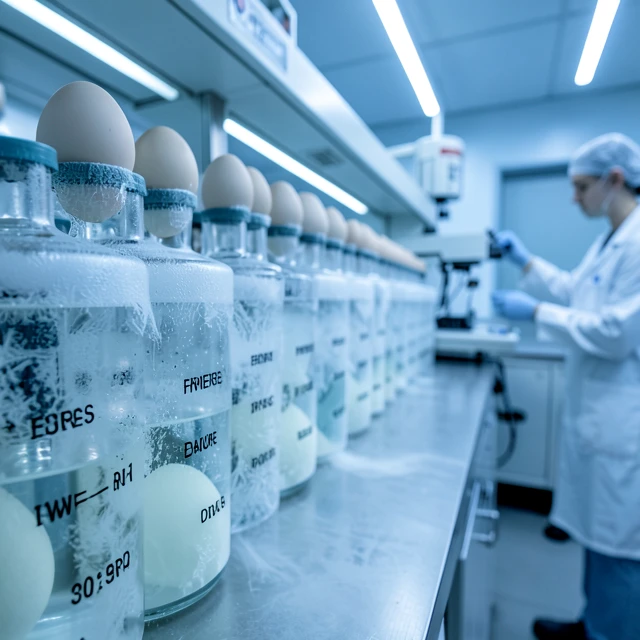
Egg freezing, also called oocyte cryopreservation, lets women store healthy eggs from their younger years. Doctors retrieve eggs, freeze them quickly with vitrification, and save them for future use.
Success rates of egg freezing procedures have improved dramatically in recent years. Modern techniques now achieve egg survival rates of 85-90% after thawing, according to experts.
Age plays the biggest role in outcomes. Women who freeze eggs before 35 generally see the best fertility preservation success rates. As women age, egg quality drops, so early action matters.
Understanding the Success Rates
Real numbers help set expectations. Research shows that women under 35 who freeze 15-20 eggs have a strong chance of at least one live birth later.
The American Society for Reproductive Medicine guideline on mature oocyte cryopreservation02247-9/fulltext) reports excellent survival and fertilization rates with current methods.
The Mayo Clinic explains fertility preservation options, noting that frozen eggs now perform nearly as well as fresh ones in IVF cycles.
Many clinics report live birth rates of 40-50% per transfer when using eggs frozen at younger ages.
Sarah's Story: Freezing at 34, Mother at 41
Sarah always pictured herself as a mom, but her career in tech kept her moving across cities. By 34, she was single and worried about her biological clock.
“I didn’t want to rush into a relationship just to have kids,” she remembers. “Egg freezing felt like buying time.”
Sarah went through one cycle and retrieved 18 eggs. The process took about two weeks of daily injections and monitoring. She found the side effects manageable—mostly bloating and mood swings.
Seven years later, at 41, Sarah met her partner. They tried naturally for a year without success. That’s when she turned to her frozen eggs.
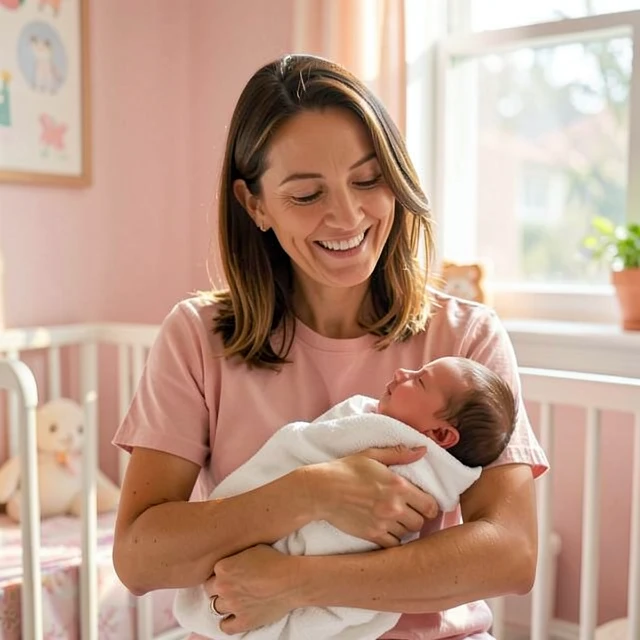
After thawing, 15 eggs survived. Doctors fertilized them, created healthy embryos, and transferred one. Sarah gave birth to a healthy boy nine months later.
“Looking at my son, I know I made the right choice,” she says. “Fertility preservation gave me options when infertility became real.”
Emily's Story: Career First, Family Later
Emily built her marketing agency from scratch. At 32, marriage and kids felt far away. Friends started families, but she focused on her business.
A fertility assessment showed good egg reserves, so she decided to freeze 22 eggs over two cycles.
The cost was significant, but Emily viewed it as insurance. “It removed the panic from dating,” she explains. “I could focus on finding real love.”
At 39, married and ready, Emily used her frozen eggs. Two transfers later, she welcomed twins—a boy and a girl.
Her experience highlights how success rates of egg freezing procedures improve when women act in their early 30s. Younger eggs mean higher quality and better chances.
Lisa's Story: Facing Unexpected Infertility
Lisa froze her eggs at 37 after a cancer diagnosis required treatment that could harm fertility. Doctors recommended fertility preservation before chemotherapy.
She managed one urgent cycle and retrieved 12 eggs. “It gave me hope during the darkest time,” Lisa recalls.
Five years cancer-free, Lisa and her husband tried IVF with her frozen eggs at age 42. Three embryos developed, and the first transfer worked.
Today she parents a lively toddler. “Egg freezing didn’t just preserve my eggs—it preserved my dream of motherhood.”
What Makes These Stories Possible
Several factors drive success:
- Age at freezing — Younger eggs survive better and create stronger embryos
- Number of eggs — Most experts suggest 15-20 for good odds
- Clinic expertise — Choose centers with proven thawing rates
- Overall health — Lifestyle supports better outcomes
The Centers for Disease Control and Prevention ART data tracks national outcomes and shows steady improvements in frozen egg technology.
While no method guarantees results, these stories prove egg freezing works for many women.
Final Thoughts
Personal stories of egg freezing success remind us that women today have powerful tools against infertility and timing pressures. Fertility preservation offers real hope backed by science.
If you’re considering this path, talk to a specialist soon. The earlier you act, the better your chances.