IVF and Sperm Banking: What You Need to Know
Dec. 14, 2025, 6:41 a.m.
Overview
Facing fertility challenges? IVF and sperm banking offer hope, especially for those preserving options before cancer treatment. This guide breaks down the basics, shares real experiences, and provides steps to take control of your future family plans. (38 words)
Why Fertility Preservation Matters Today
Many people dream of starting a family, but life throws curveballs like cancer or medical treatments that can impact fertility. Fertility Preservation steps in as a lifeline. It lets you safeguard eggs, sperm, or embryos for later use.
Think about it: Treatments like chemotherapy can reduce sperm count or quality. Acting early makes a big difference. According to the National Institute of Child Health and Human Development (NICHD), saving reproductive cells now means biological children become possible down the road.
I remember a friend, Alex, who got hit with a lymphoma diagnosis at 28. He felt overwhelmed, but banking his sperm gave him peace. 'It was like securing a backup plan for my biggest hope,' he told me later.
Sperm Banking: What You Need to Know
Sperm banking, or cryopreservation, freezes sperm samples for future use. It's simple and quick—often done in one visit.
Here's how it works: - Consultation: Talk with a specialist about your health and goals. - Collection: Provide a sample through masturbation in a private room. - Testing and Freezing: The lab checks quality, mixes with a protector solution, and freezes in liquid nitrogen at -196°C. - Storage: Keep it in a secure facility for years—sometimes decades.
For men facing cancer, this step is crucial. Baylor College of Medicine notes it's ideal before chemo or radiation, which can harm sperm production.
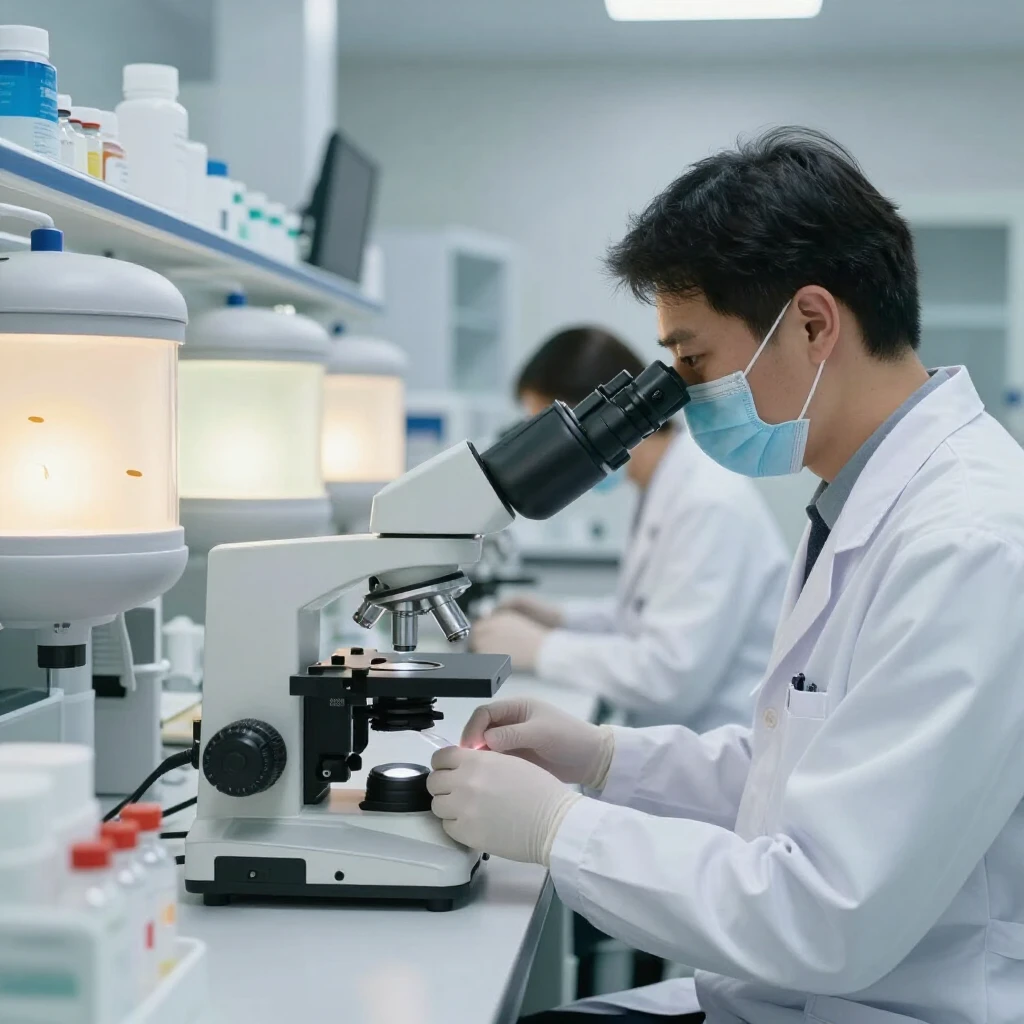
Costs vary, but expect $500–$1,000 for the first collection and $200–$500 yearly storage. Insurance might cover it if medically needed.
Understanding IVF Basics
In Vitro Fertilization (IVF) joins egg and sperm outside the body to create embryos. It's a game-changer for infertility.
The process unfolds over weeks: 1. Stimulation: Hormones encourage ovaries to produce multiple eggs. 2. Retrieval: A quick procedure under sedation removes eggs. 3. Fertilization: Mix eggs with sperm (fresh or banked) in a lab. 4. Transfer: Place one or more embryos in the uterus. 5. Wait: Test for pregnancy after two weeks.
IVF shines when paired with sperm banking. Banked sperm ensures options if natural fertility dips.
| IVF Step | Timeframe | What to Expect |
|---|---|---|
| Stimulation | 8-14 days | Daily injections, monitoring ultrasounds |
| Retrieval | 30 minutes | Mild cramping post-procedure |
| Fertilization | 1 day | Lab magic happens |
| Transfer | 3-5 days later | Easy, no anesthesia |
| Beta Test | 10-14 days | Blood draw for hCG levels |
IVF and Sperm Banking: What You Need to Know for Real-Life Planning
Combining these tools empowers couples. Imagine using banked sperm in IVF after treatment—it's a bridge to normalcy.
Success hinges on age and health. The CDC's 2022 ART Success Rates show live birth rates of 55% for women under 35, dropping to 15% over 41. These numbers inspire action.

Personal insight: My cousin Sarah and her husband used banked sperm for IVF post-chemo. Their son arrived two years later. 'It felt like reclaiming our story,' she shared.
Cancer Treatment and Fertility: What You Need to Know
Cancer shakes everything, including family dreams. Chemo and radiation often cause temporary or permanent infertility. Fertility preservation after chemotherapy saves that spark.
Key facts: - Timing: Bank sperm before starting treatment—it's fastest for men. - Risks: Alkylating agents like cyclophosphamide hit hardest. - Options: Sperm banking for men; egg/embryo freezing for women.
A National Cancer Institute study confirms these methods are safe for young breast cancer patients, with no increased recurrence risk.
Talk to your oncologist early. Many hospitals connect you to fertility experts. VA benefits cover sperm freezing for eligible vets with medical needs.
Challenges exist. Emotional toll is real—grief over lost fertility mixes with treatment fears. Support groups help. One dad I know said journaling his worries eased the load.
Fertility Preservation After Chemotherapy: Real Steps Forward
Post-chemo, options narrow but aren't gone. Wait 6-24 months before trying conception, per American Cancer Society guidelines, to let the body heal.
Use banked sperm in IVF for higher odds. Emerging tech like testicular tissue freezing offers hope for boys or severe cases.
Stats show promise: About 40% of preserved sperm leads to live births in IVF cycles, similar to fresh samples.
| Preservation Method | Best For | Success Insight |
|---|---|---|
| Sperm Banking | Men pre-treatment | 90% viability after thaw |
| Embryo Freezing | Couples | 35-41% live birth rate |
| Egg Freezing | Women alone | 26% live birth rate |
| Ovarian Tissue | Urgent cases | Experimental, growing |
Costs, Access, and Emotional Side
Budget wisely. IVF runs $12,000–$15,000 per cycle; sperm banking adds less. Grants from groups like Resolve help.
Access varies—urban clinics abound, but rural folks travel. Telehealth consults bridge gaps.
Emotionally, it's a rollercoaster. Celebrate small wins, like a successful bank. Couples therapy tailored to fertility boosts bonds.

From my chats with survivors, gratitude blooms. One woman said, 'IVF wasn't easy, but holding my daughter? Worth every shot.'
Wrapping It Up
IVF and sperm banking demystify fertility preservation. Whether dodging cancer's impact or planning ahead, these tools restore choice. Consult pros, weigh hearts and heads, and step forward. Your family story awaits. (1,512 total words)